Det Mörka Ljuset
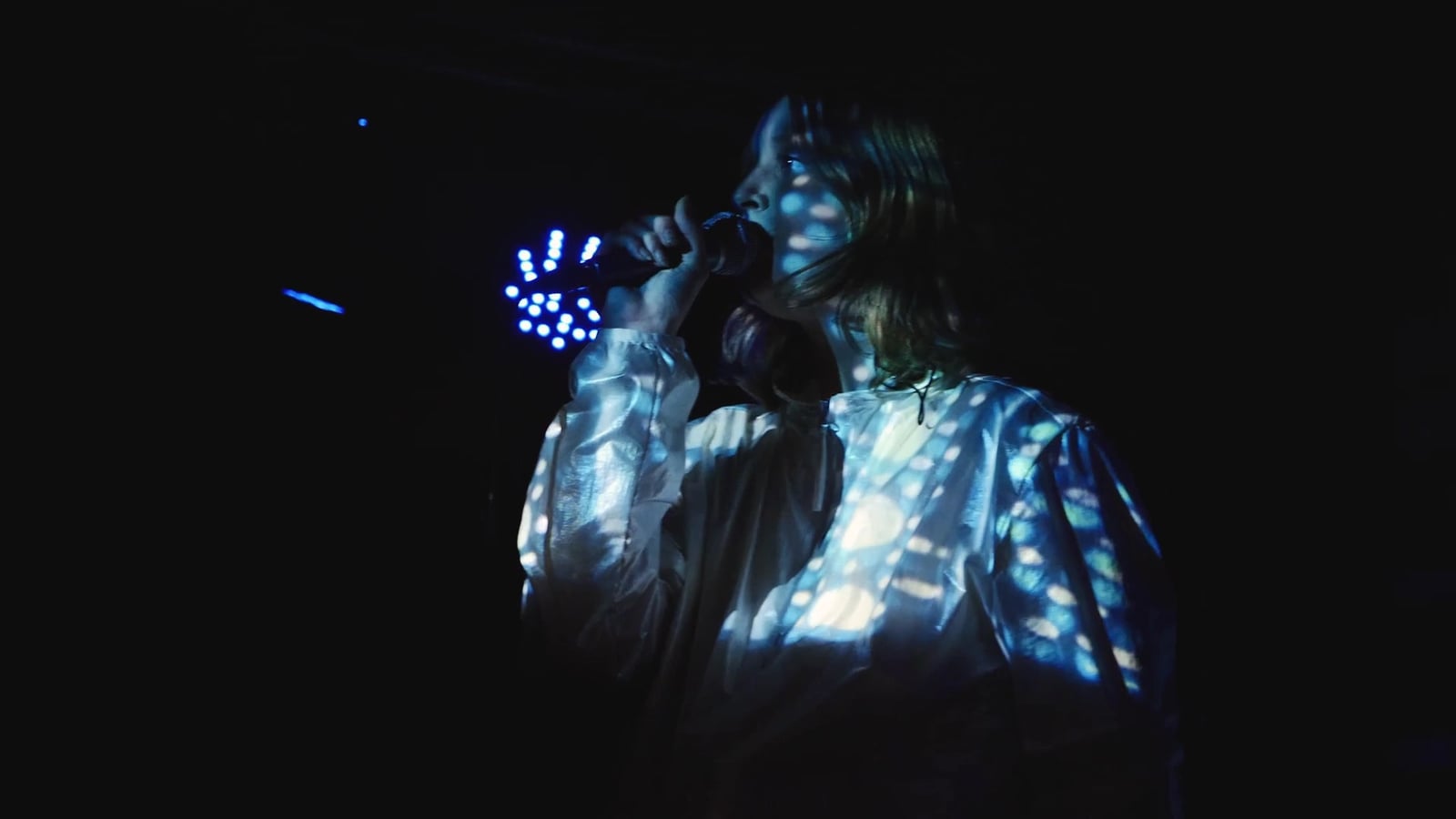
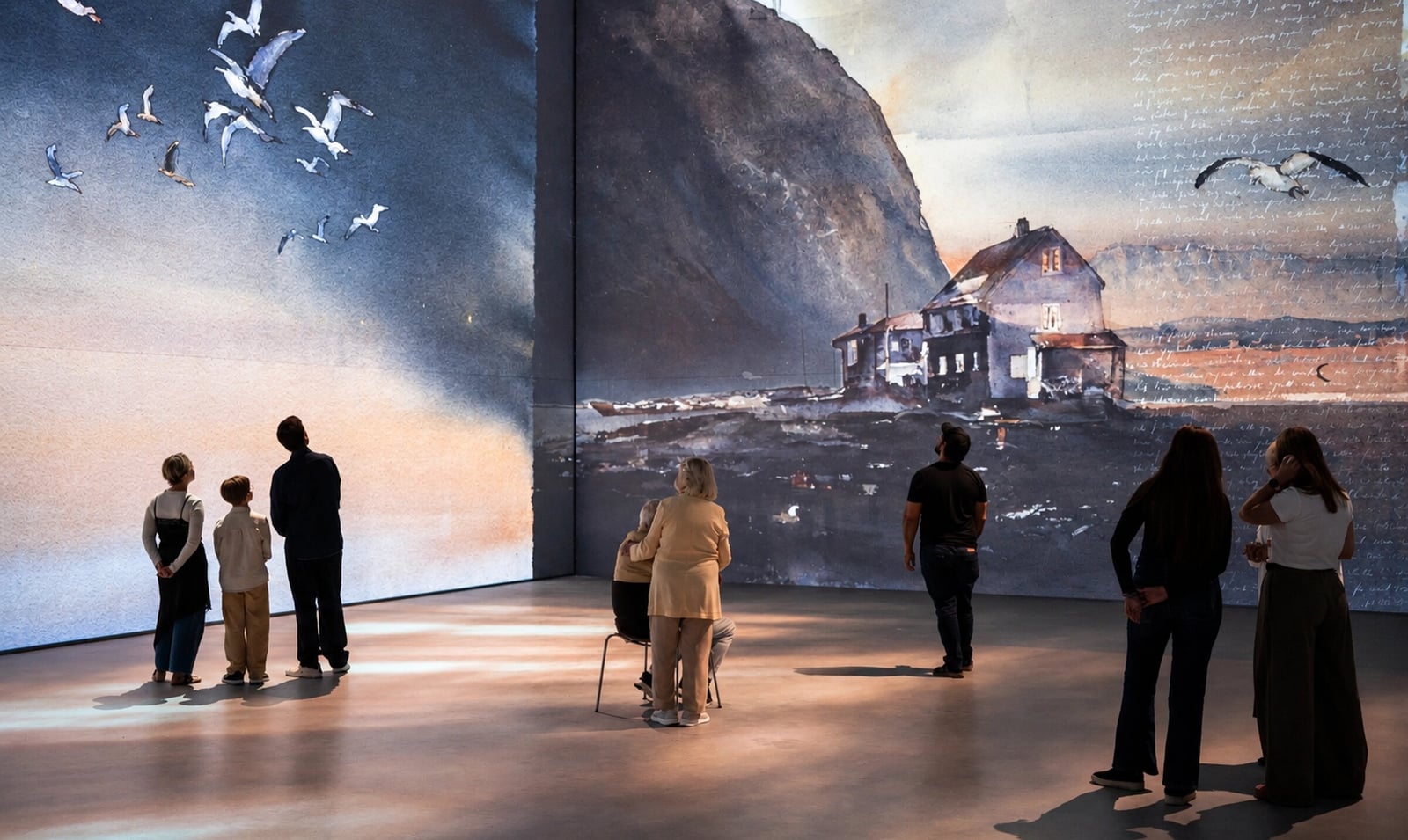
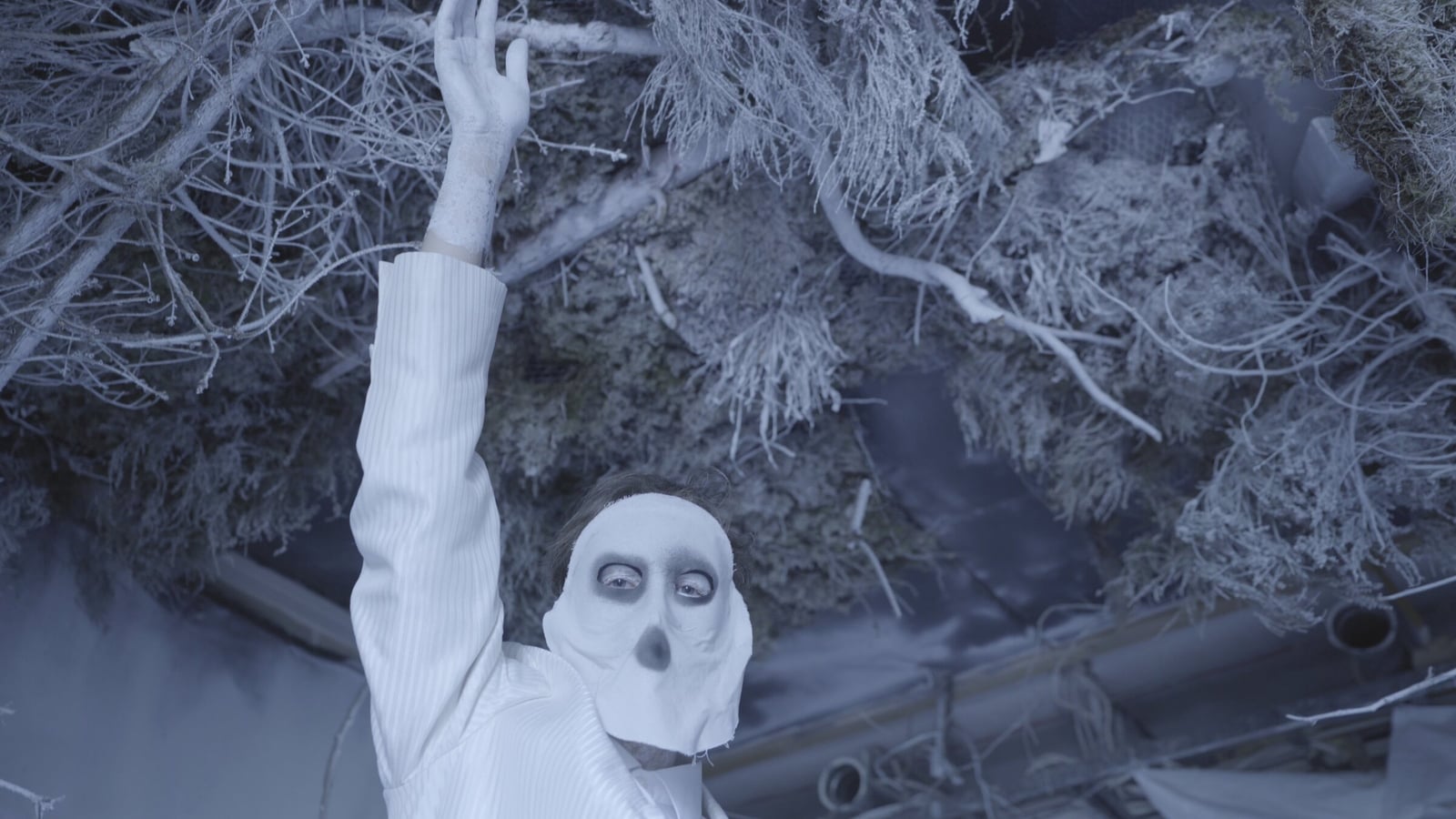
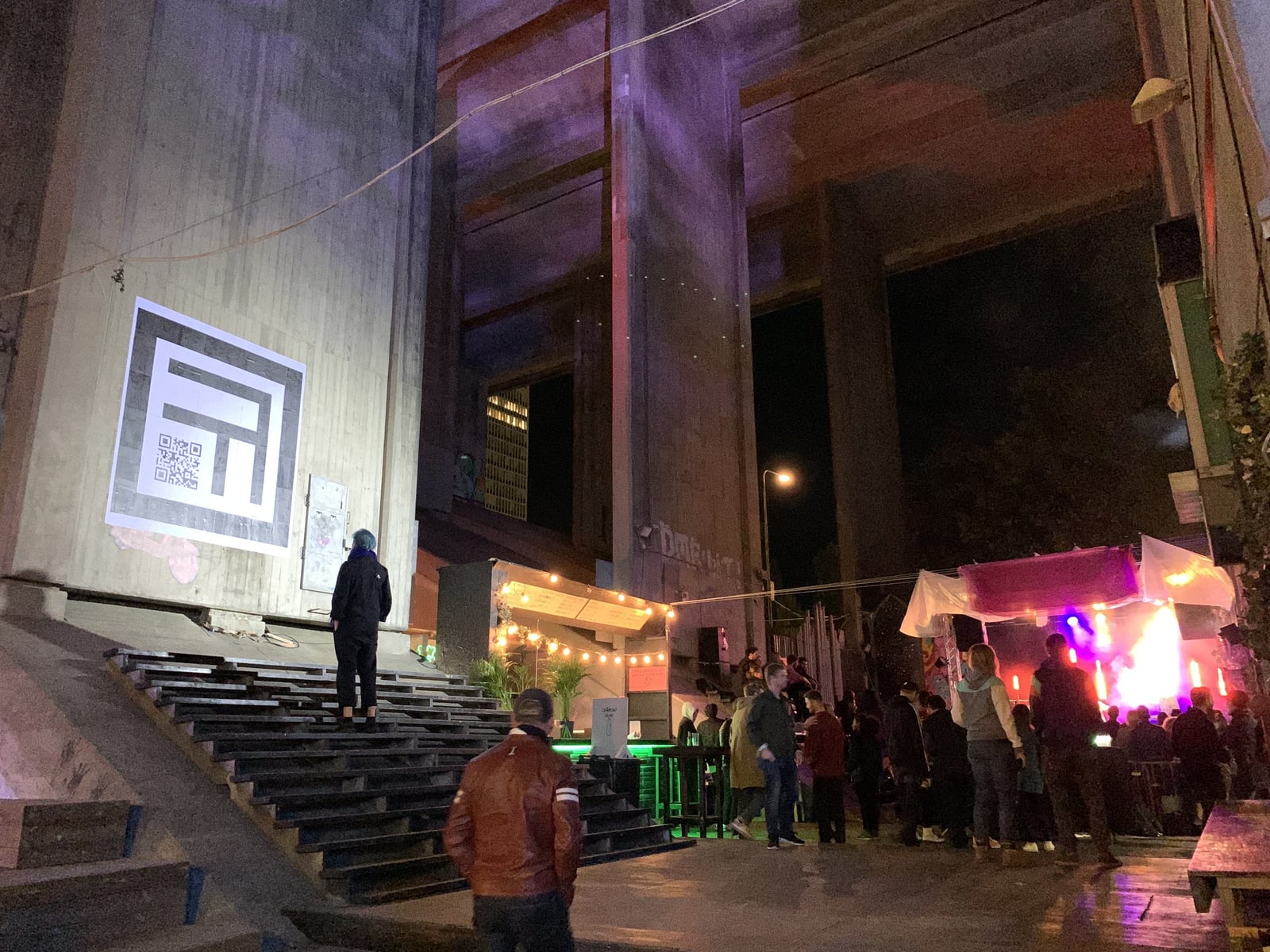
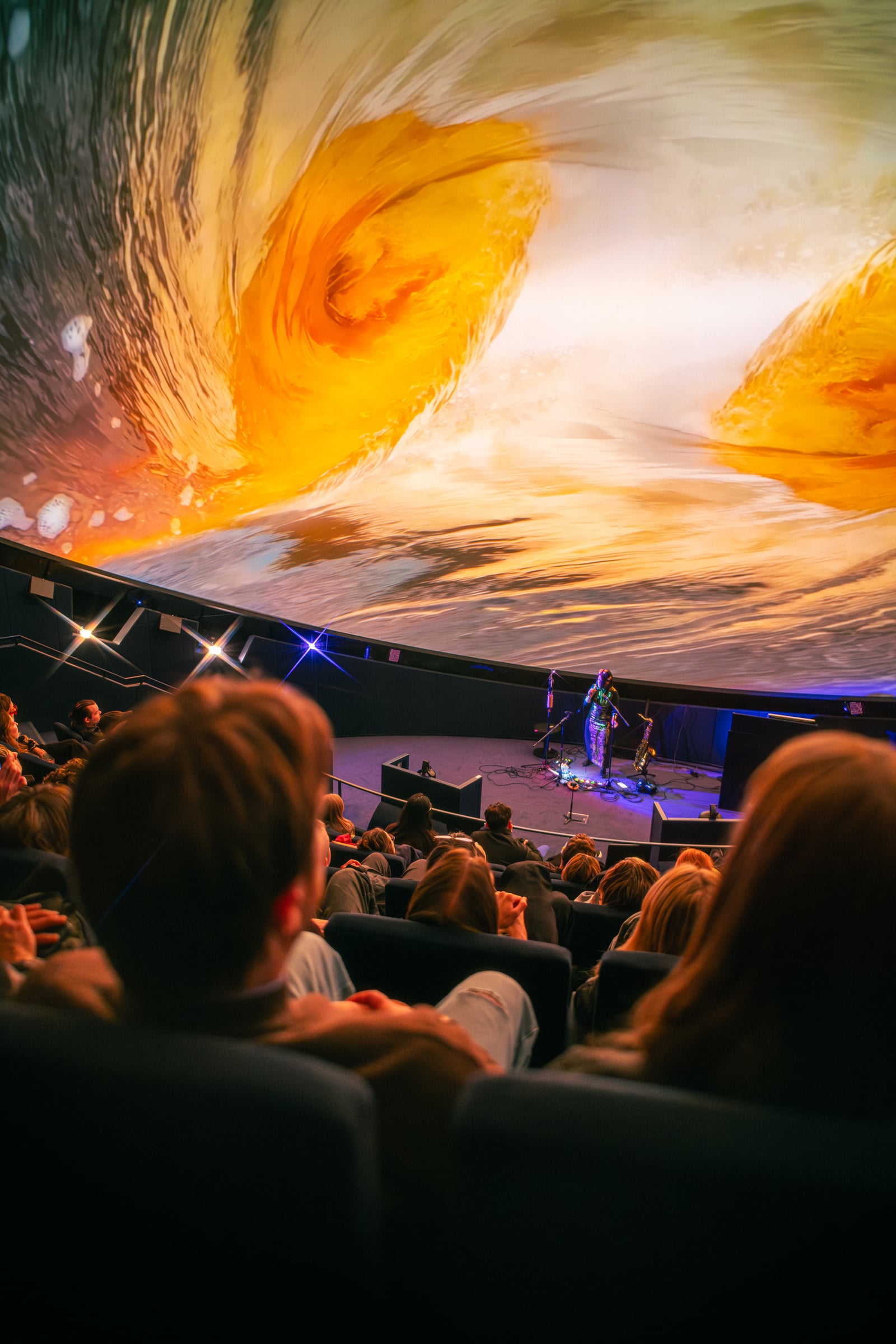
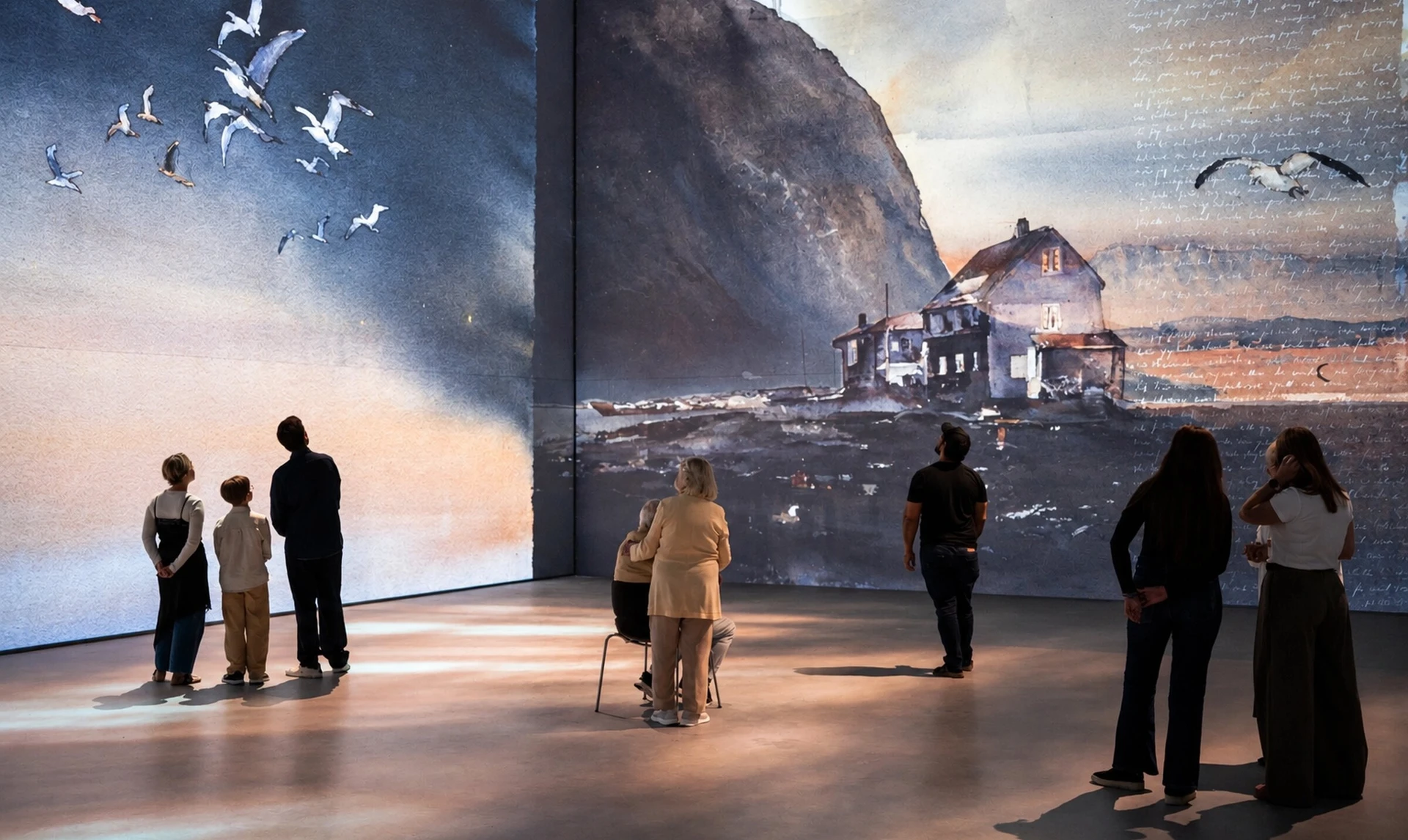
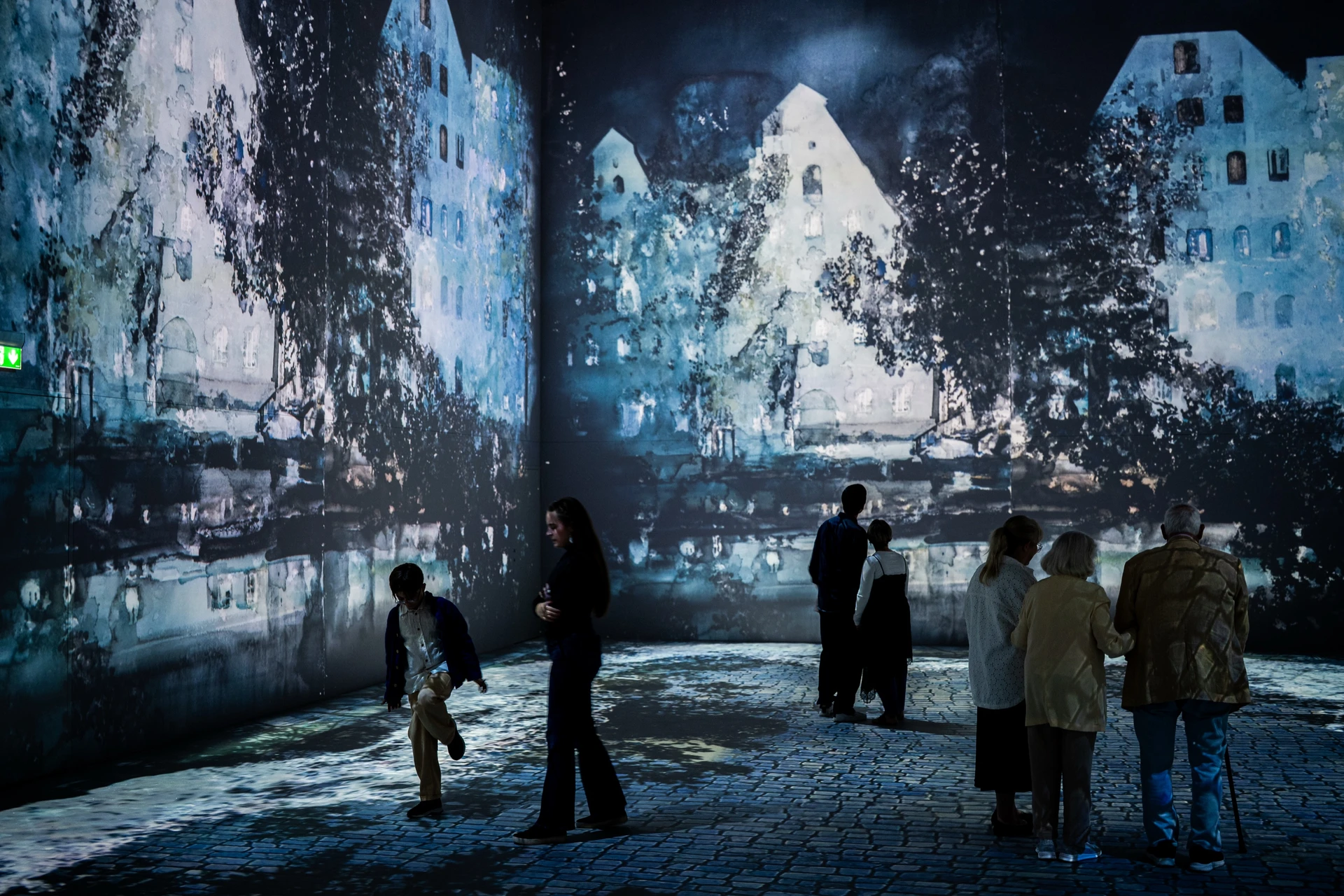
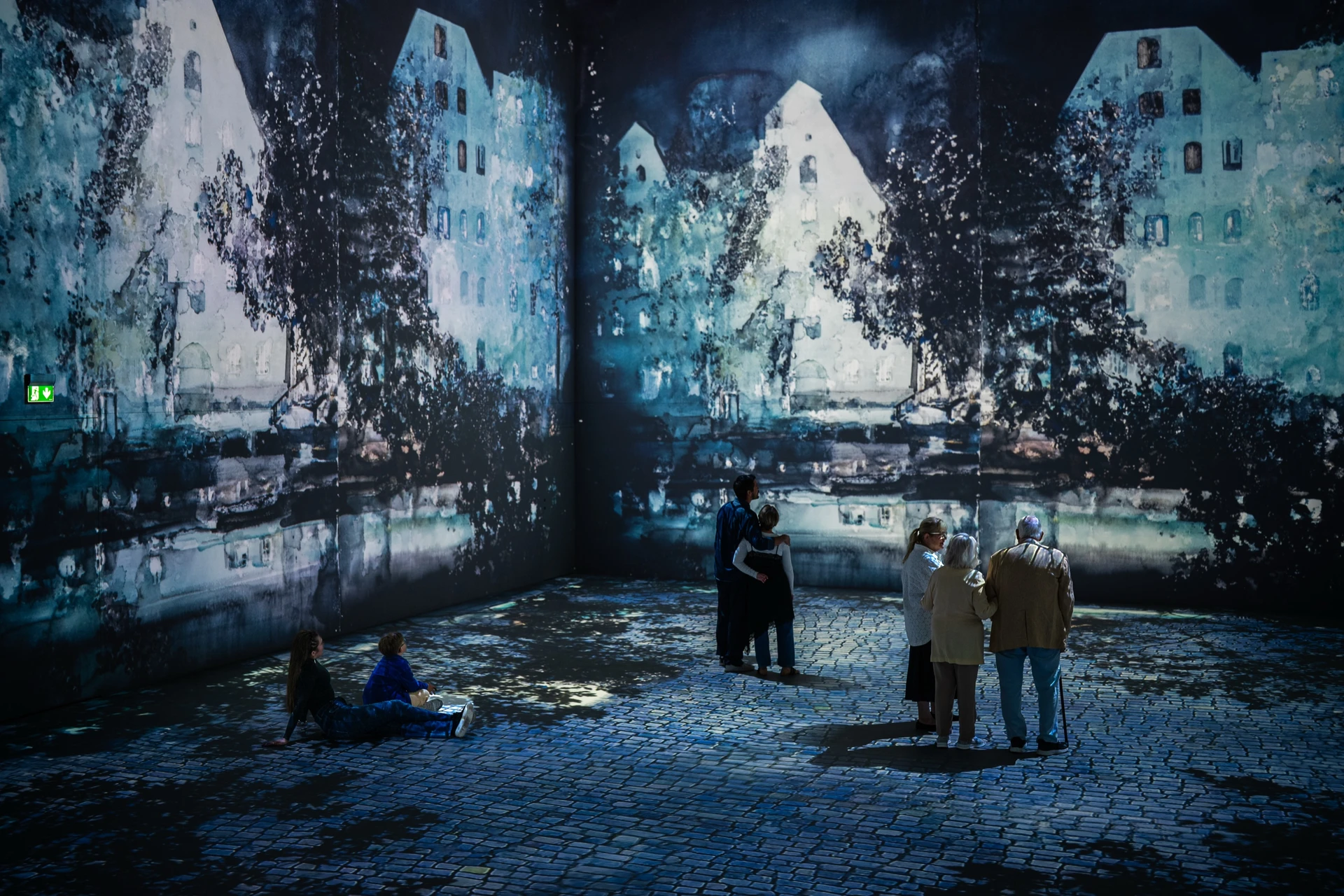
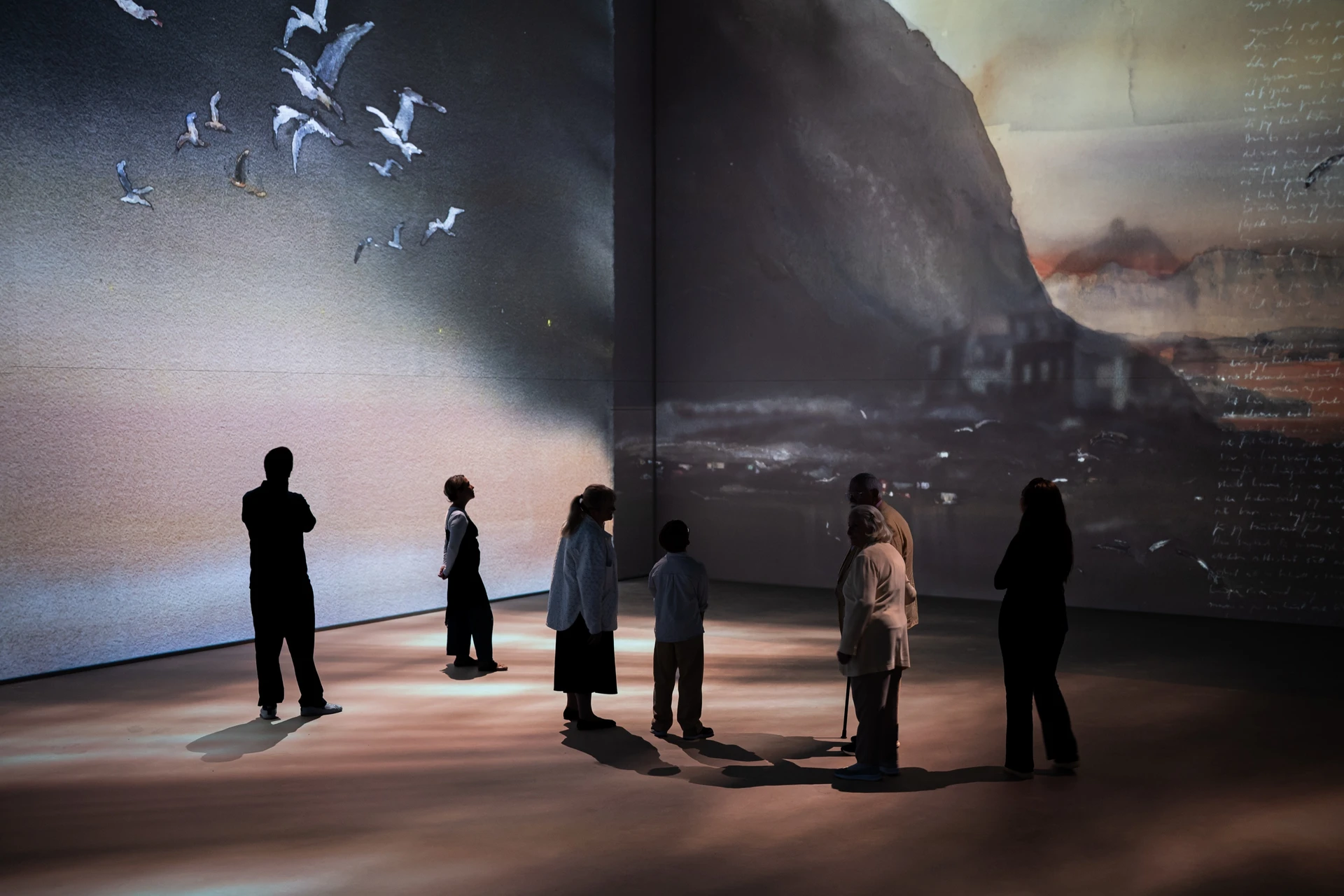
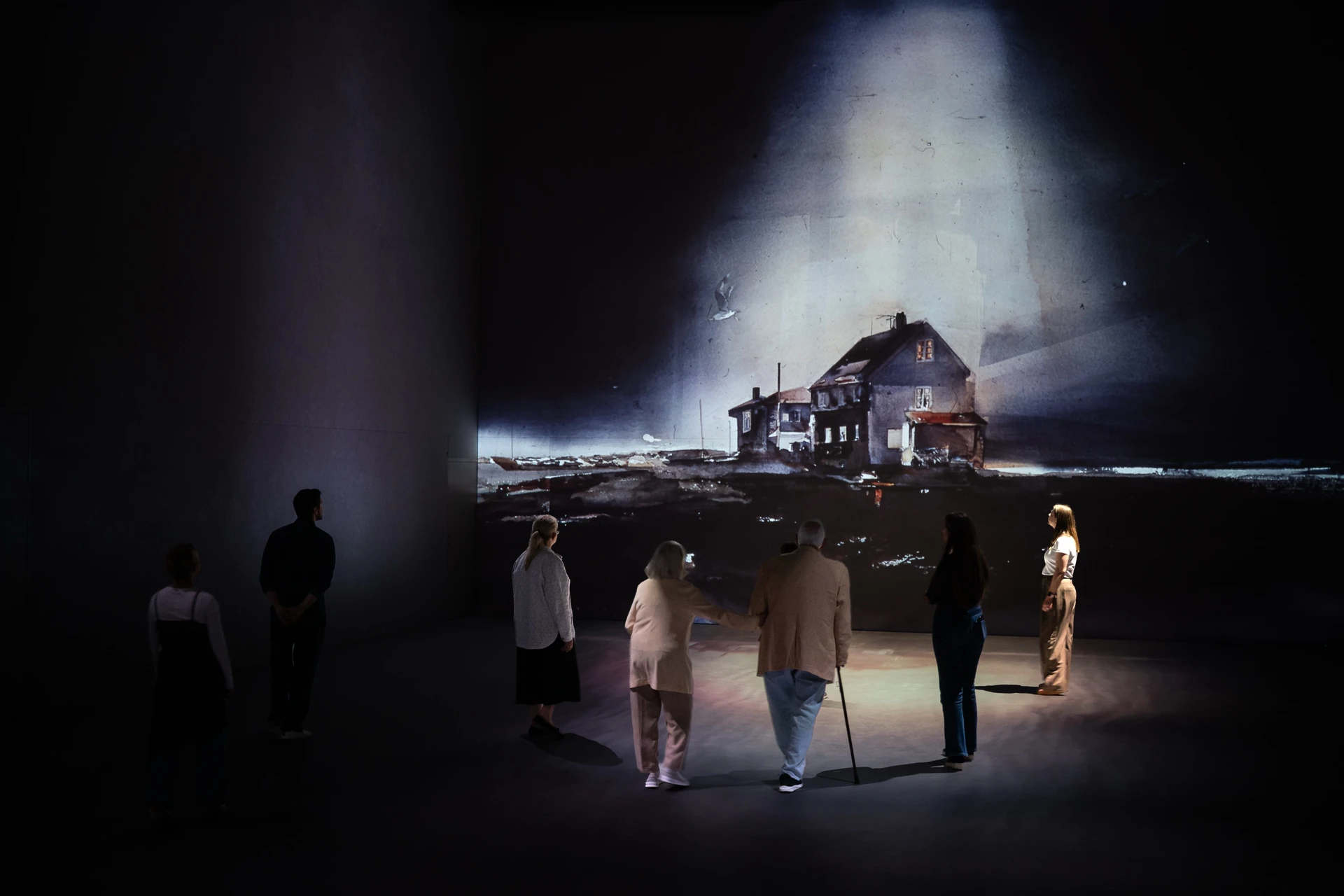
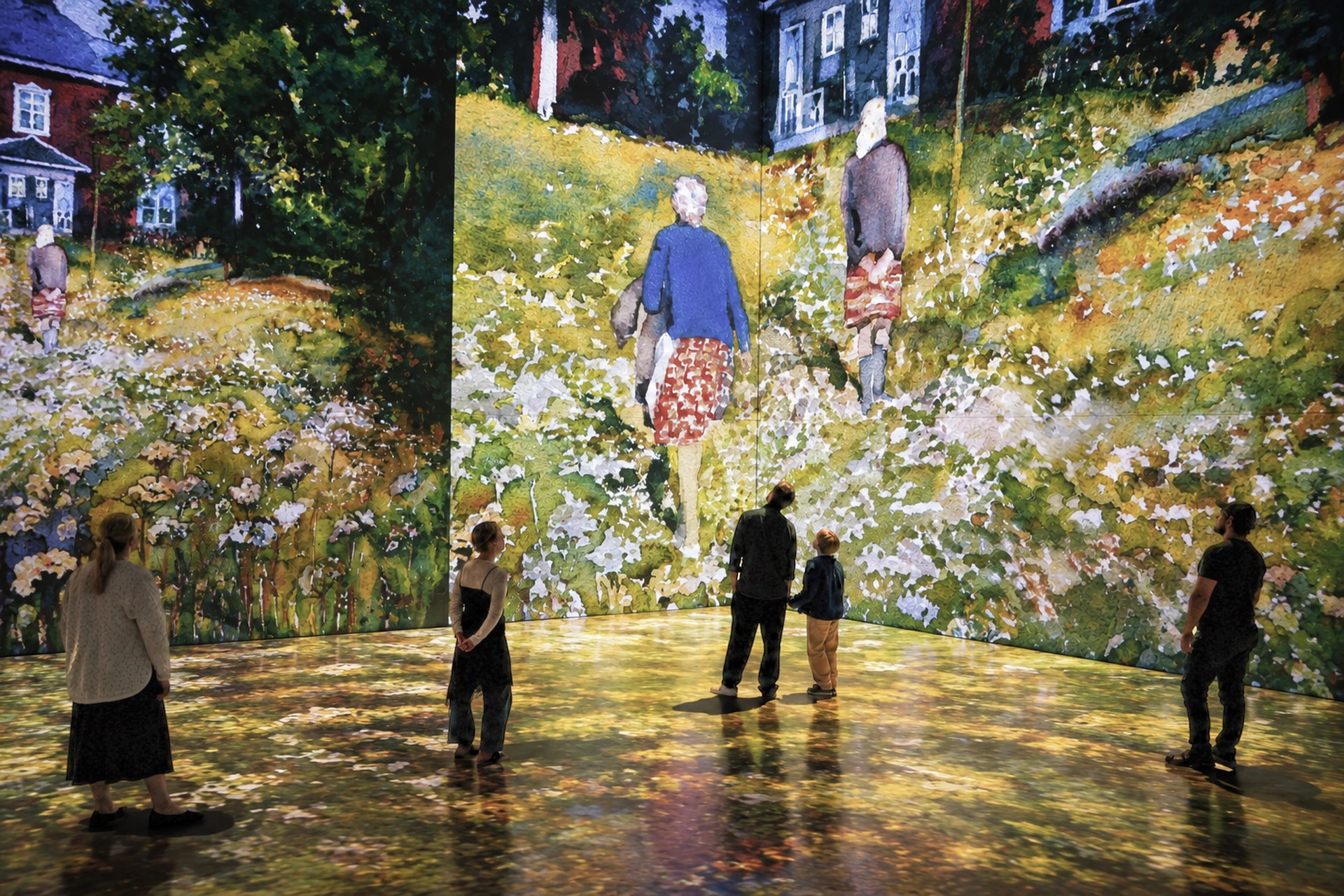
Lars Lerin's paintings, voice and archives surround the audience in Det Mörka Ljuset, a film by Sara Broos made for the walls and floor of Elverket in Stockholm.
I made animation for the film.
Jonas Johansson (b. 1987) is a designer, artist and educator from Glommen, Halland. He studied graphic design in Norrköping, Reims, and Stockholm, and has worked at design studios in Tokyo, Montreal, London and Munich. He taught at Beckmans (2017–2025) and Hyper Island (2014–2022).
Jonas runs the artist residency Visualia and Nordic Audiovisual Artists, plans courses at Svenska Tecknare, creates events with PLX and Lumen Project, collaborates with the lighting collective Svartljus, and co-founded Dome Dreaming, the Nordics' first fulldome film festival.
He shares his studio with SMASH and Rose Hallgren.

Lars Lerin's paintings, voice and archives surround the audience in Det Mörka Ljuset, a film by Sara Broos made for the walls and floor of Elverket in Stockholm.
I made animation for the film.
I worked with Jesper Kurlandsky and a team of talented animators, including Annie Tådne, David Giese, Johannes Ferm Winkler, David Nord and Boris Nawratil, among others. Full credits and visitor information.
Jonas Johansson (b. 1987) is a designer, artist and educator from Glommen, Halland. He studied graphic design in Norrköping, Reims, and Stockholm, and has worked at design studios in Tokyo, Montreal, London and Munich. He taught at Beckmans (2017–2025) and Hyper Island (2014–2022).
Jonas runs the artist residency Visualia and Nordic Audiovisual Artists, plans courses at Svenska Tecknare, creates events with PLX and Lumen Project, collaborates with the lighting collective Svartljus, and co-founded Dome Dreaming, the Nordics' first fulldome film festival.
He shares his studio with SMASH and Rose Hallgren.

Lars Lerin's paintings, voice and archives surround the audience in Det Mörka Ljuset, a film by Sara Broos made for the walls and floor of Elverket in Stockholm.
I made animation for the film.

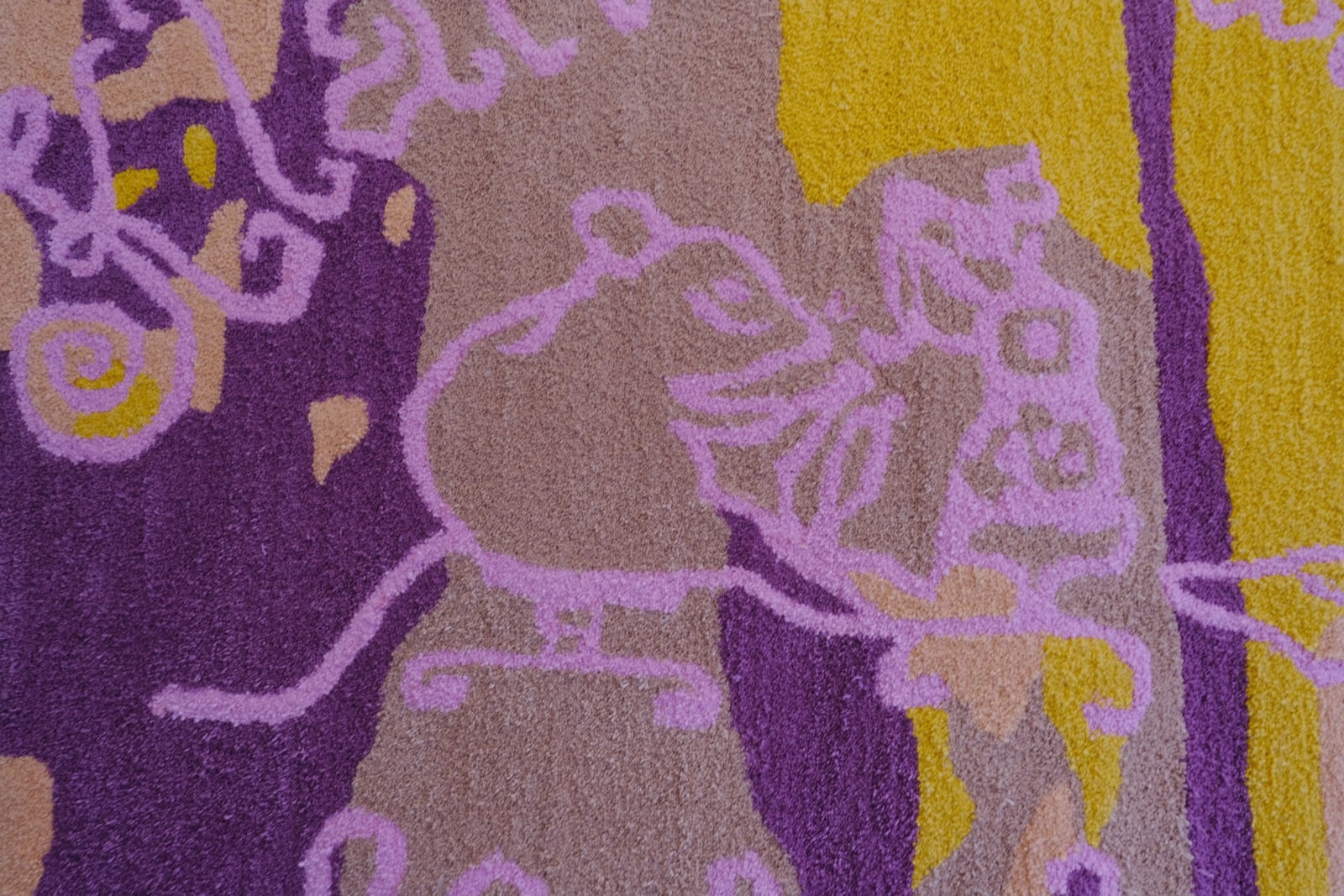
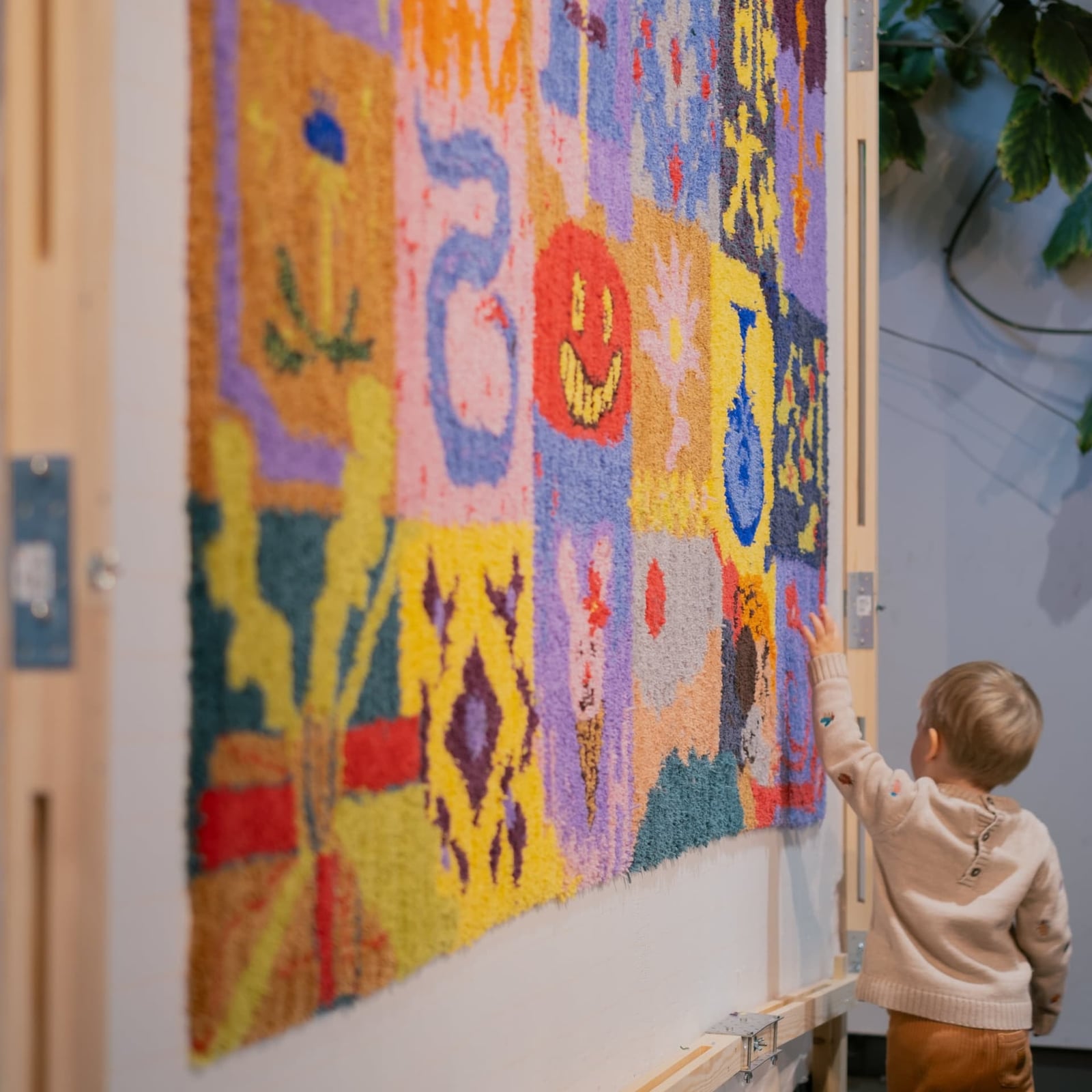
A two-metre hand-tufted wall piece for Klättermusens Verkstad, the outdoor brand's mark drawn over a botanical landscape of mine.
Klättermusens Verkstad is the workshop and store of Swedish outdoor brand Klättermusen, a short walk from my studio. They wanted their mark tufted at two by two metres for the wall of the space.
The ground it sits on is an illustration I had already made: a circular botanical scene, seed heads and reeds standing against a low sun. It went into the previewer as an example of how a pattern might sit behind the mark, and it was the one they kept. Their lettering and the mouse at its sewing machine ended up drawn over it in Light Pink, with the sun carried through in Ochre Yellow.

Rather than send a flat mockup, I built them that previewer. It recolours artwork into real yarn, simulates how cut pile will render it, tallies the cones to order, and drops the result into a photograph of the wall it was headed for. The rest of the palette was settled by playing with it: Salmon, Aubergine Purple and Maple Brown.

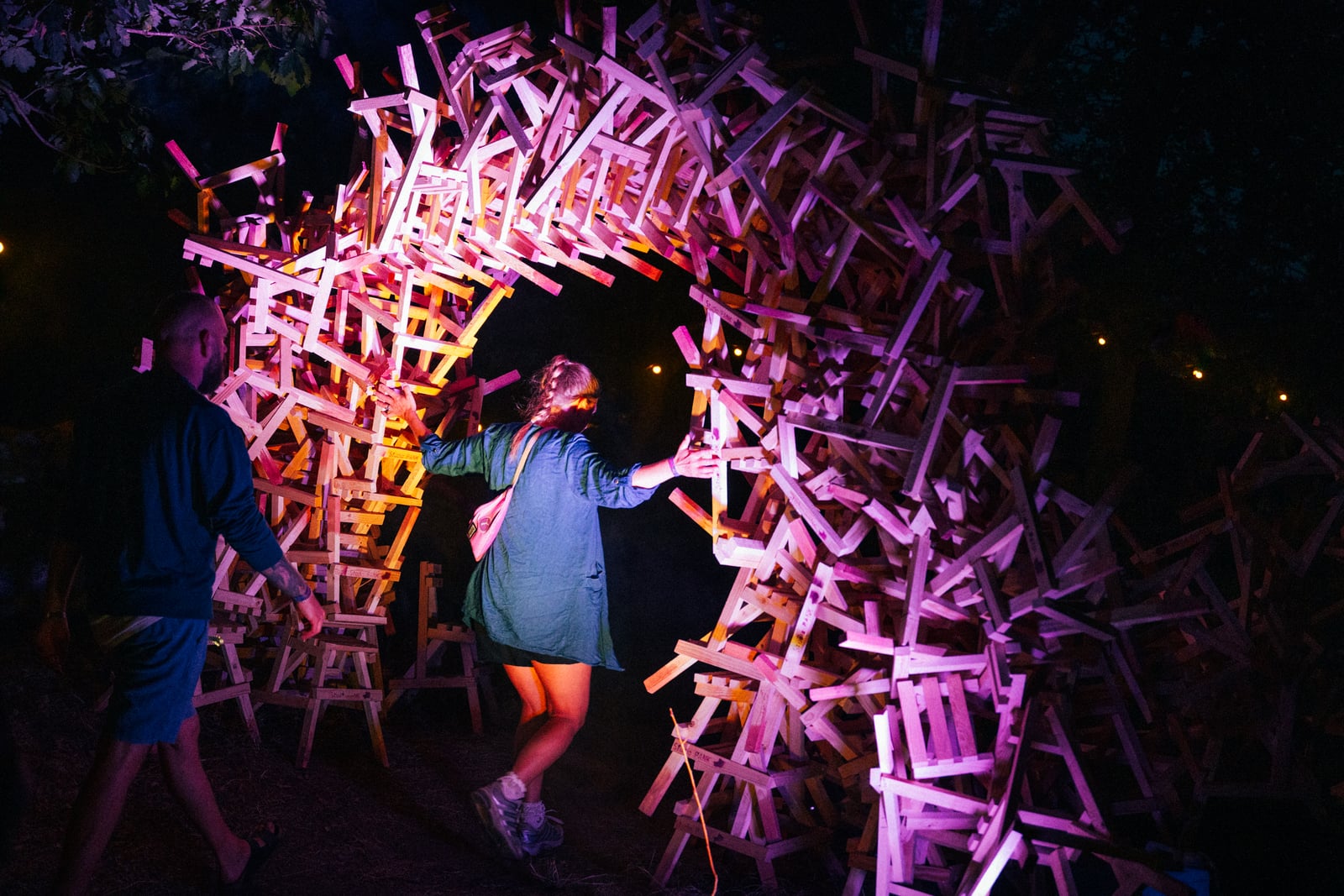
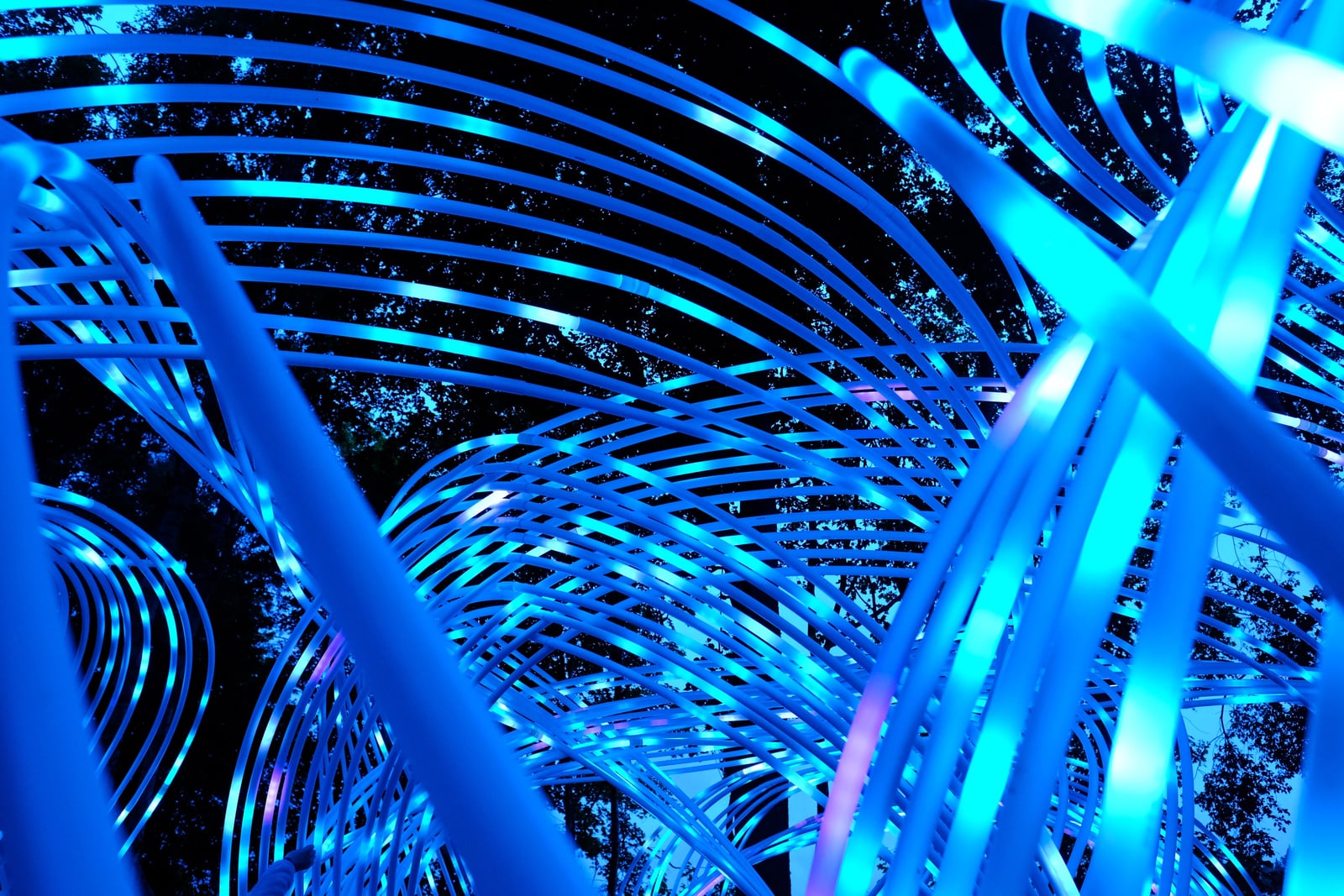
A woven pavilion of moving light, built as a place to gather in the woods.
Kagora brings Japanese basket weaving to an architectural scale. Its name combines kago, Japanese for basket, with aura.

A LAN party in an earth cellar. Four seats, a shared table and a return to 2002.
BorderLAN brought people together around Counter-Strike 1.6, Quake II, Unreal Tournament, Heroes of Might and Magic III, Diablo and Diablo II, with Action Quake 2 and OpenArena also on the shelf. Players chose what to play together, with music, food and drinks accompanying each sitting.

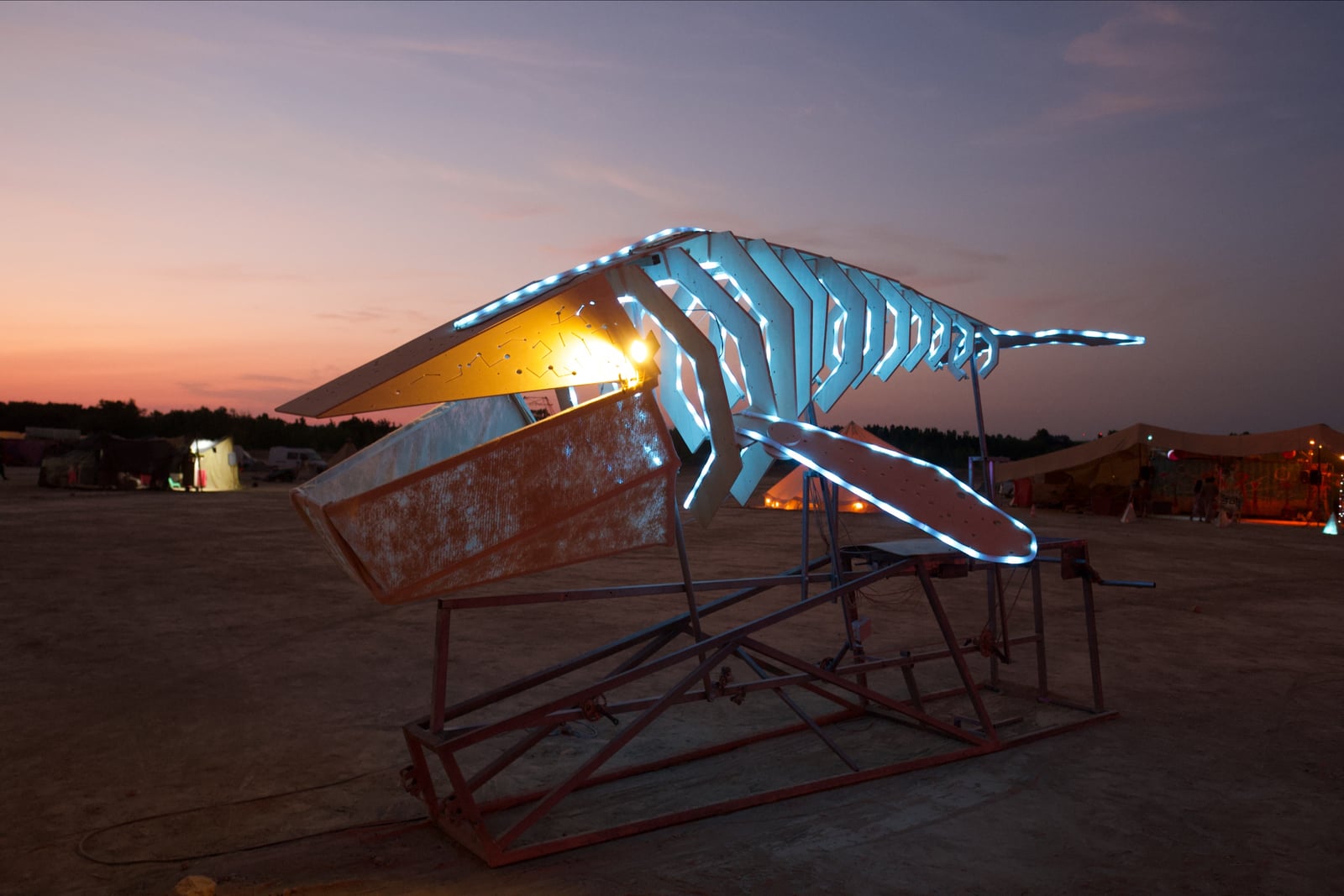
A flying whale in the desert. Pulling a lever sets its wooden skeleton in motion, swimming above the sand.
I see a bit of Moby-Dick in it, but also a fossil, or one of the whale skeletons hanging in a natural history museum. The ribs are open and you can see the wooden joints and metal mechanism doing the work. The starting point was a small DIY kinetic model, scaled up into something people could operate themselves.

An augmented-reality telescope that brings imaginary creatures into the landscape.
WYSIWYG hides a phone inside a familiar viewing instrument. Looking through the eyepiece, visitors encounter animated birds, animals and towering figures within the camera's view of their surroundings. Turning the telescope lets them explore this other layer of the landscape.

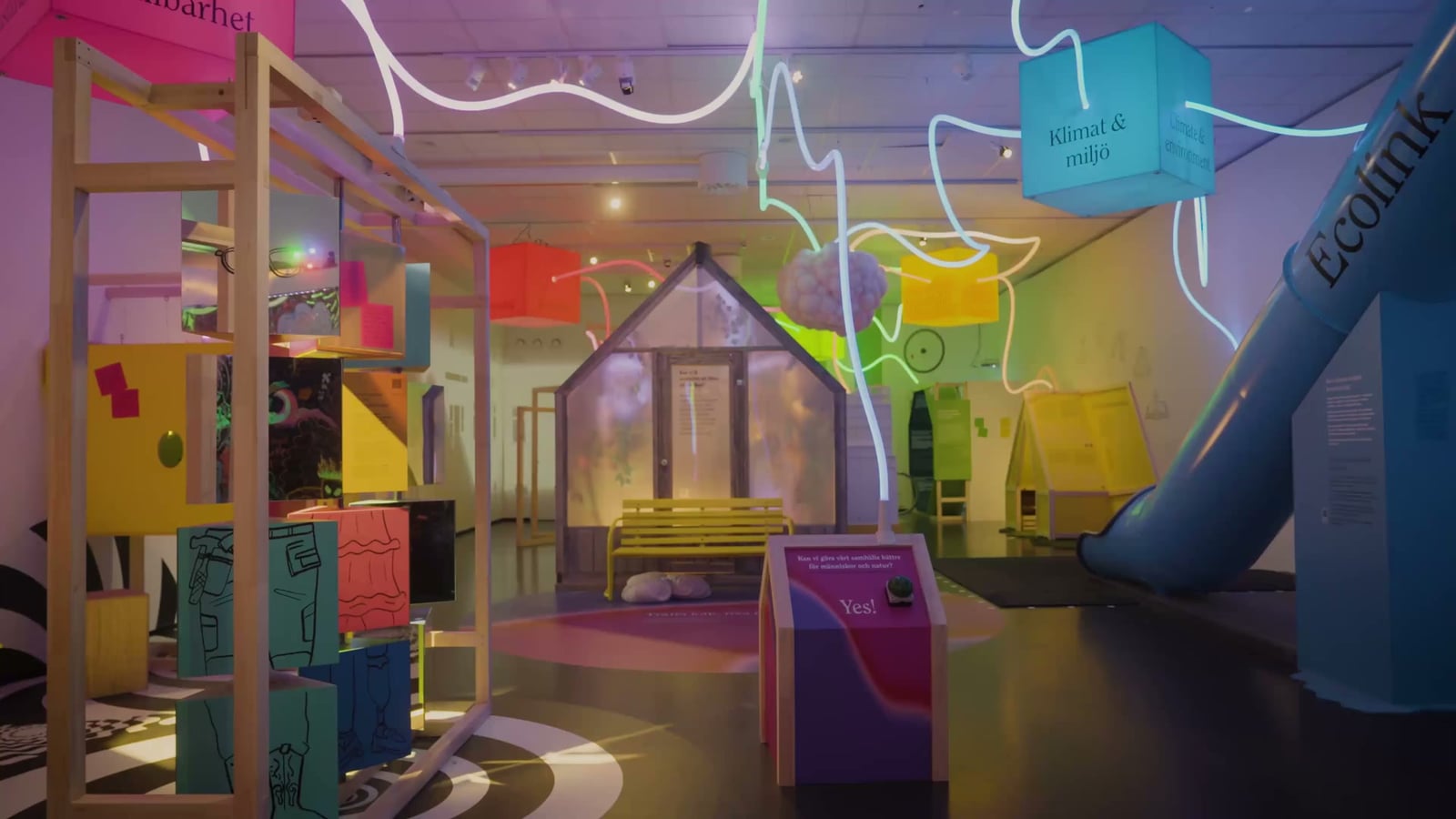
Light winds through an exhibition about the energy that connects nature, people and a city's future.
Society Expo Exhibition takes place at Skellefteå museum on Nordanå. Part of Society Expo 2026, the exhibition tells the story of Skellefteå's transformation through sound, light, projections and environments that respond to visitors. Four parts follow the energy of nature, people, society and the future.

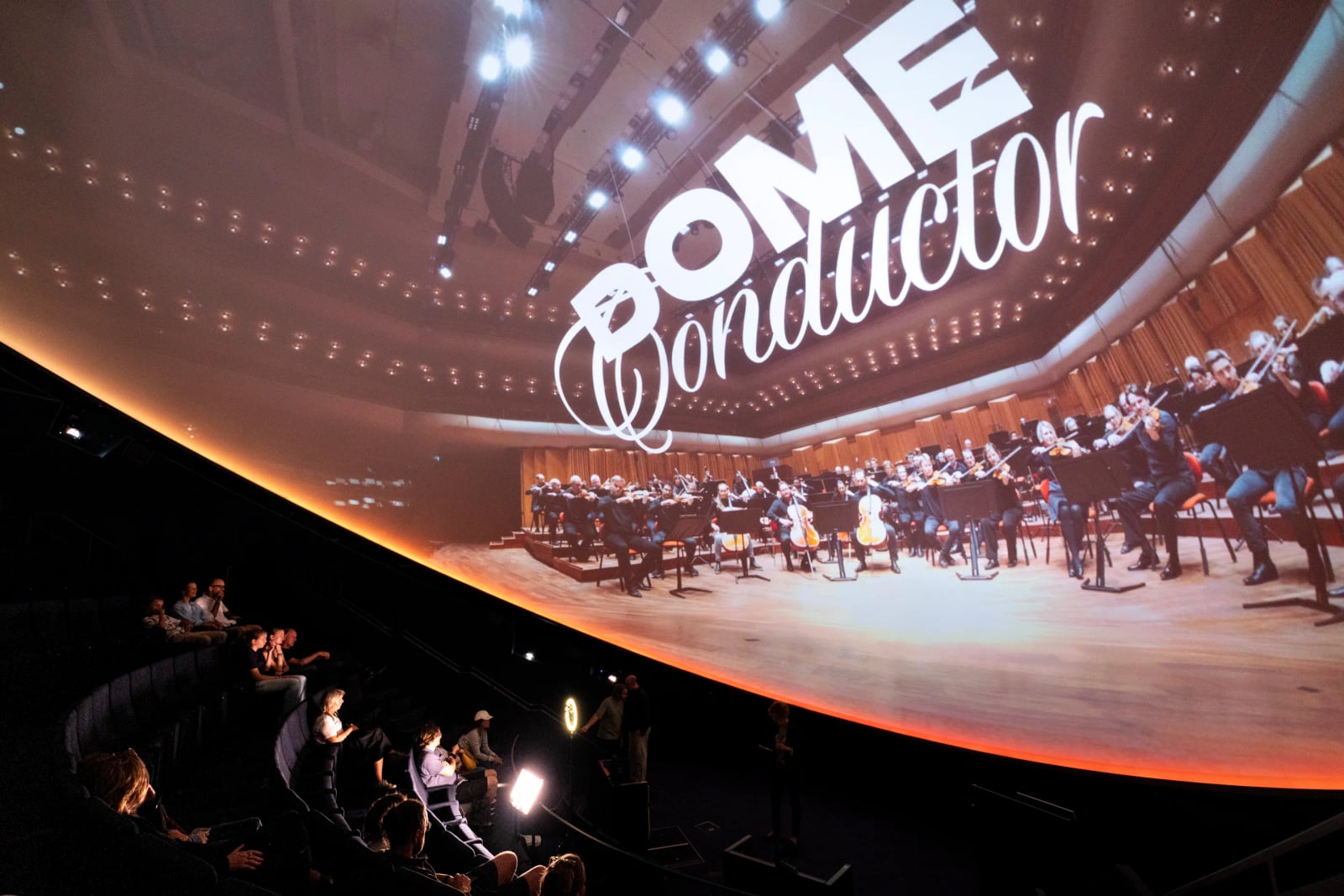
A fulldome film festival at two newly built domes in Stockholm and Malmö.
In May 2026, I co-organised Dome Dreaming, a non-profit festival across three evenings at Wisdome Stockholm and one at Wisdome Malmö. Both venues were newly built, and as far as we know it was the first fulldome film festival in the Nordics.

For three nights, a building in central Stockholm became a five-storey, playable arcade game.
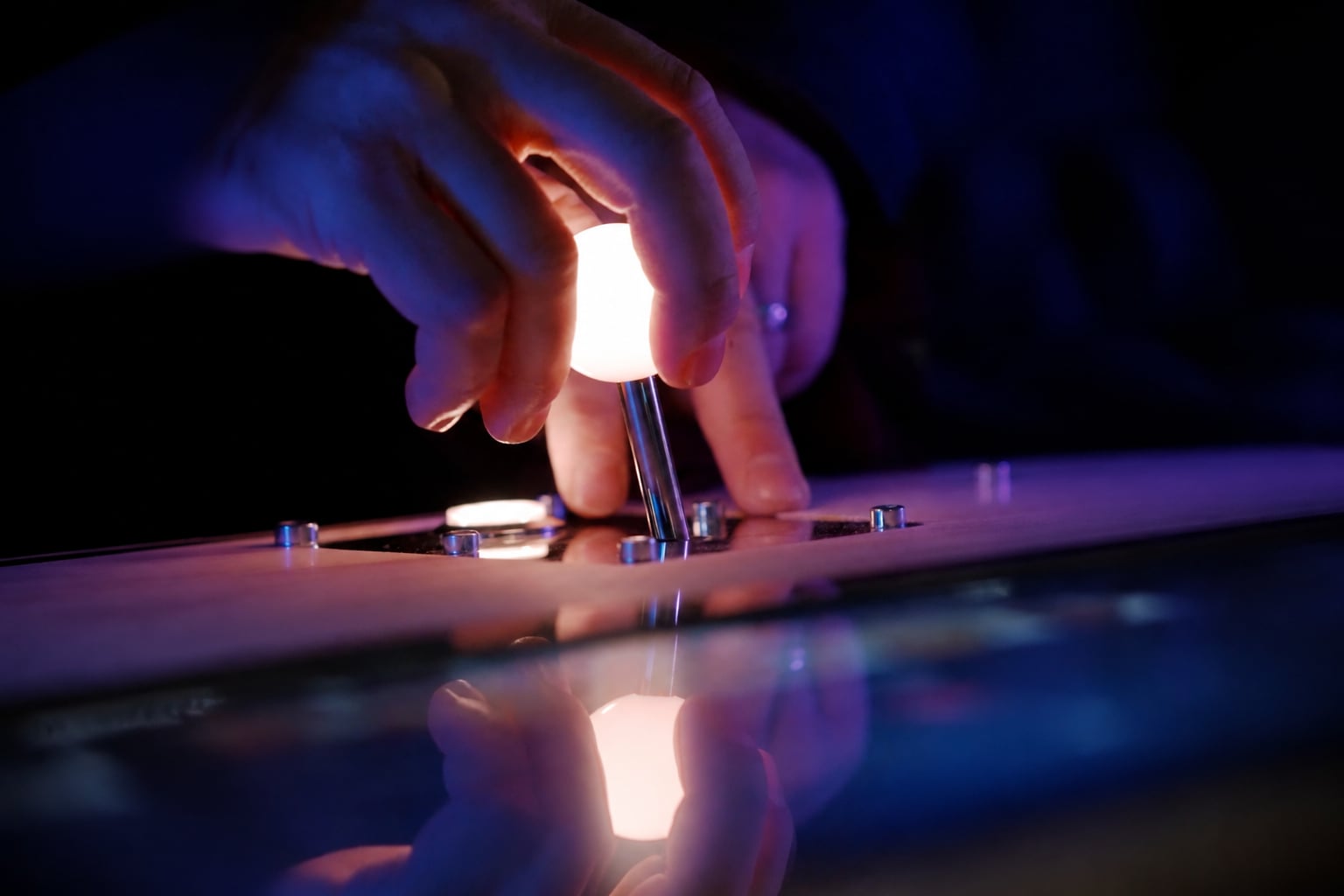
To mark the launch of Kanal 5's show "Jagad", we rebuilt a classic top-down chase game onto the building itself: the windows became the blocks, the gaps between them became the streets. Players worked custom arcade controllers down on the pavement, hunting roaming celebrity avatars across the facade. Catch one and the whole road network flooded with your colour. High scores and player names were projected straight back onto the wall.

In Kungsträdgården, facing the Royal Castle, a screen pulled everyone who walked past into an alien invasion of Stockholm.
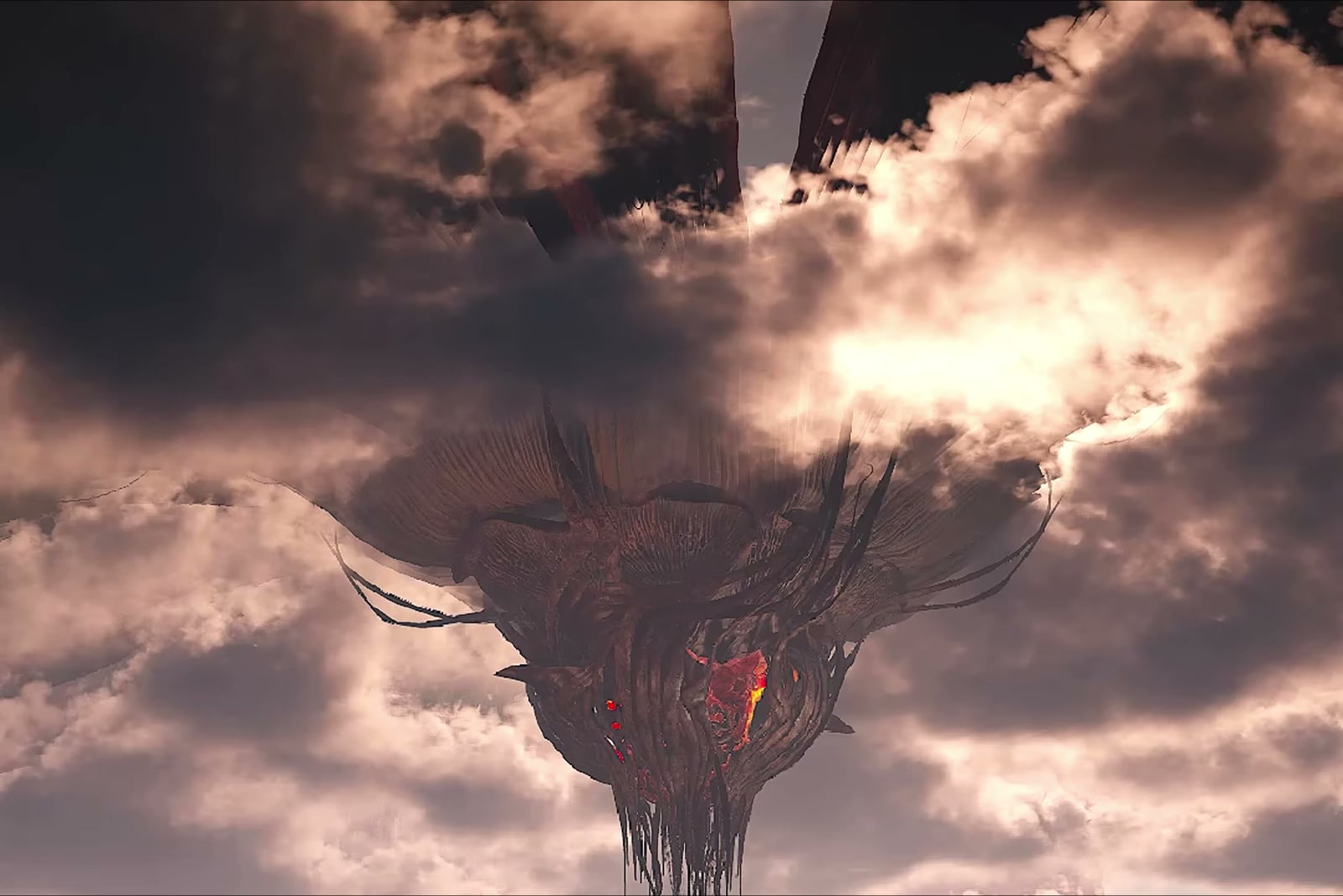
For the launch of TV4's sci-fi drama "Vi kommer i fred", a single-camera totem stood in Kungsträdgården, facing the Royal Castle across the water, and dropped whoever walked by straight into the show's opening scene, a huge alien craft breaking through the clouds over the city.

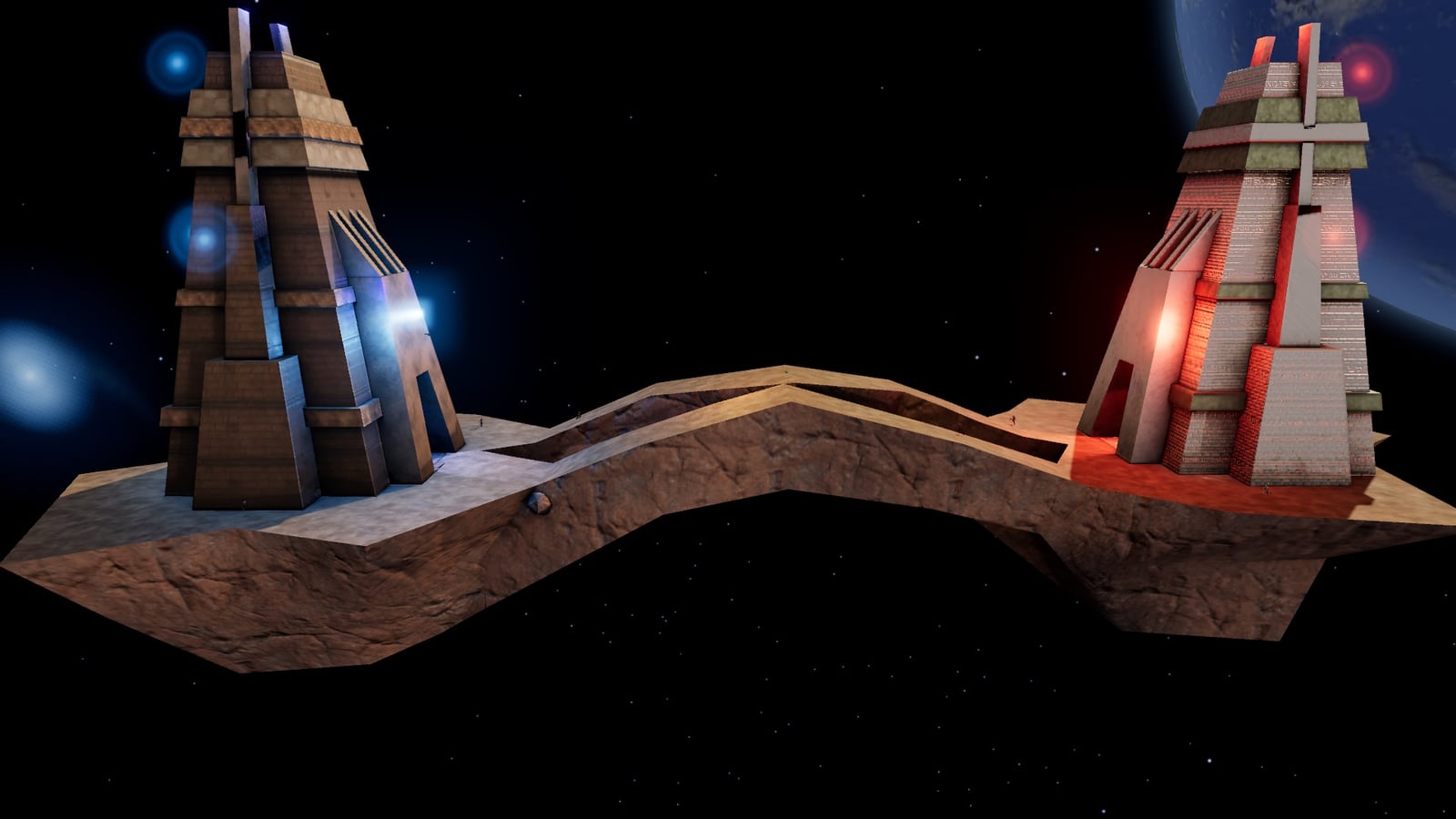
Facing Worlds has grown into a browser-native desktop 5v5 capture-the-flag game, rebuilt from the data, rules and assets of Unreal Tournament’s most famous map.
Open facingworlds.org on a computer and you drop straight into the match. A WebSocket server fills two five-player teams with bots, makes room as people join, and keeps the shots, damage, deaths, flags and score in sync. Six weapons, pickups, character animation, the UT99 HUD, original sounds and announcer, and a live scoreboard now make it a game rather than a map viewer.

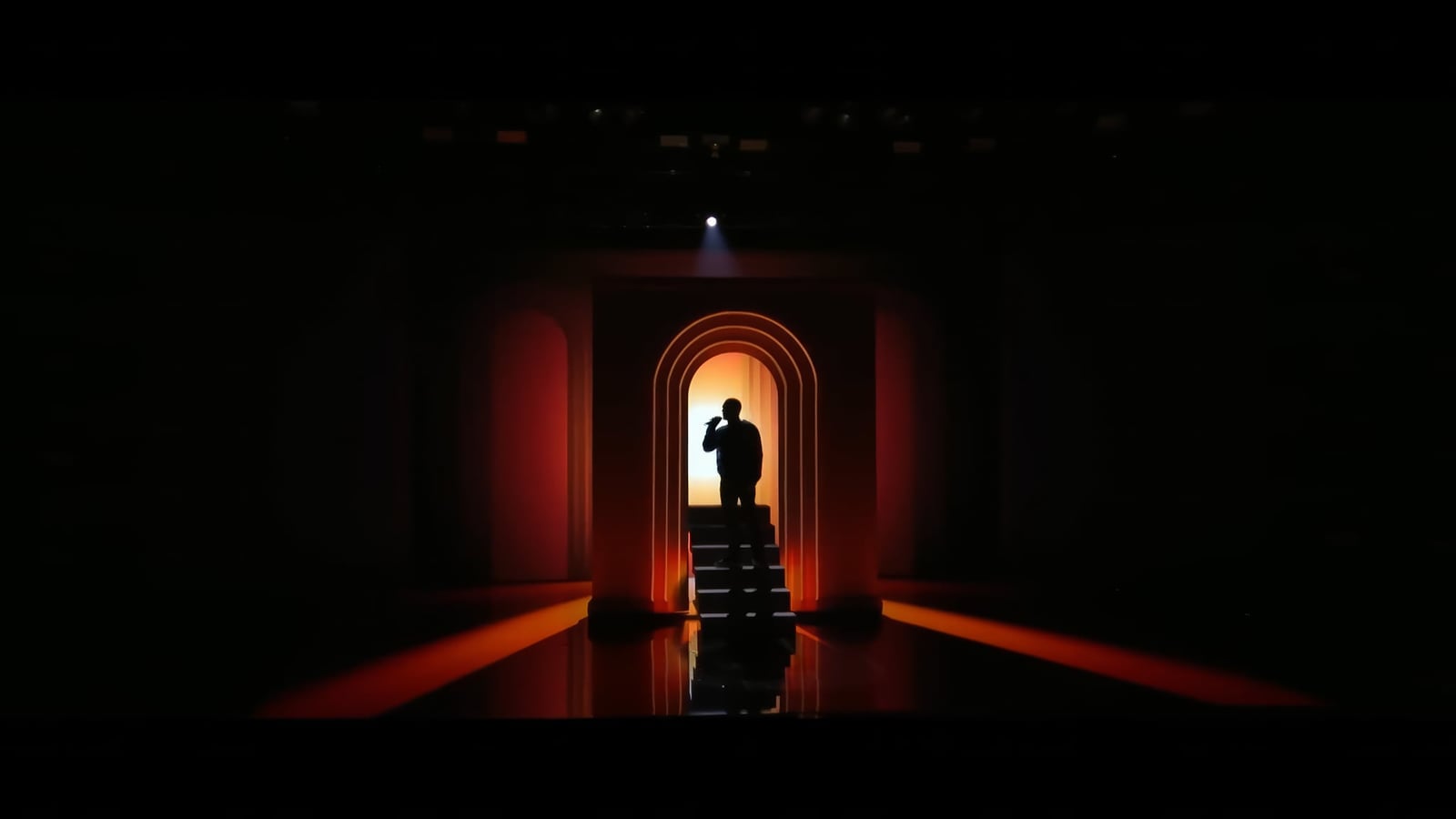
Projection mapping and stage design for Danny Saucedo's "Happy That You Found Me" in Melodifestivalen 2024.
A long-held dream to bring something new to the Melodifestivalen stage. The stage featured three 8 x 4.5m LED walls at 3200 x 1800 pixels each, a 7.9 x 9.1m LED floor at 1664 x 1920 pixels, and a physical Romanesque gate with staircase built for projection mapping.

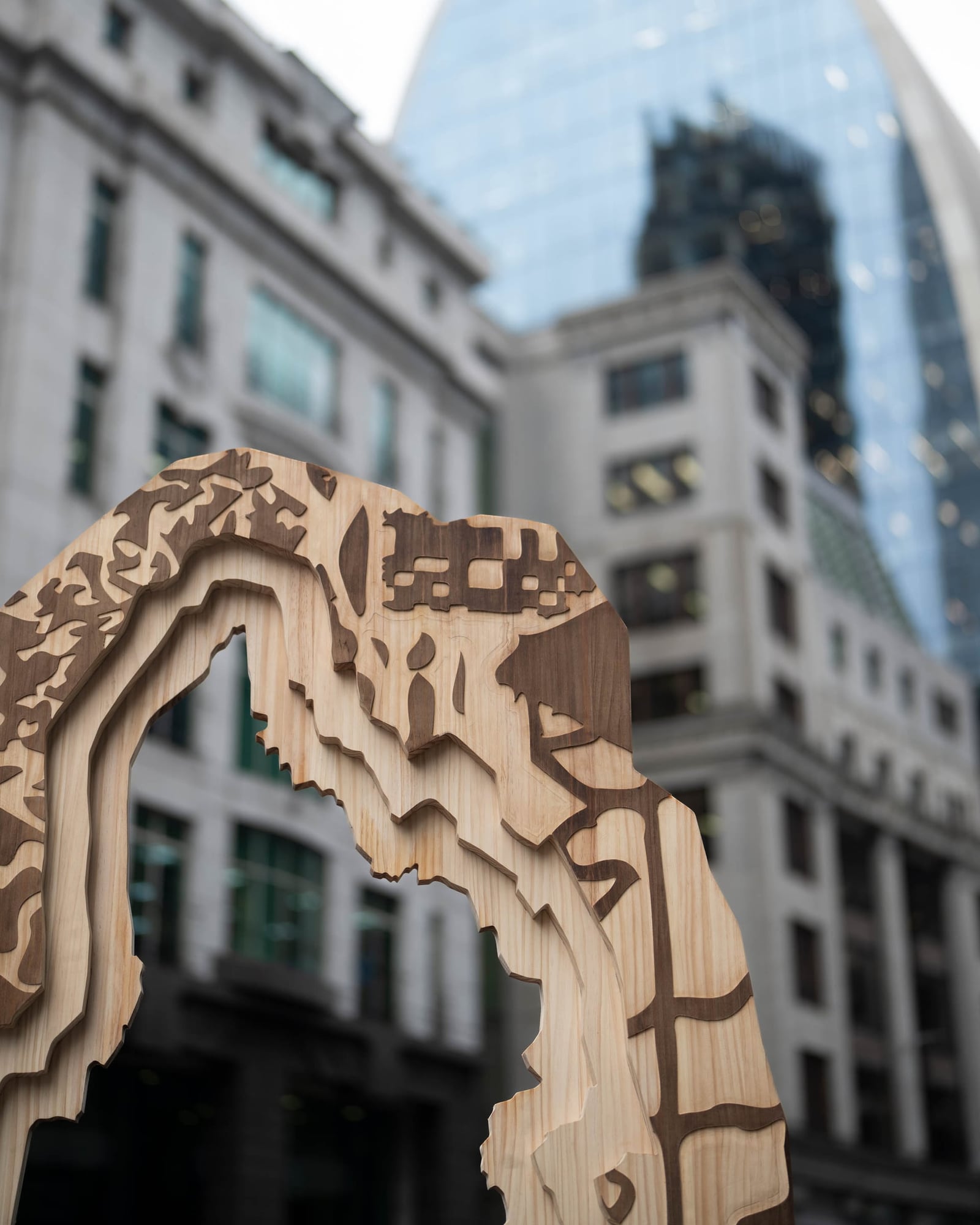
A hybrid sculpture and augmented reality portal for the streets of London.
Eastern City Portal was a public artwork on Camomile Street in the City of London. The piece was a continuation of an installation at Nowhere, where we built a large wooden crack in the fabric of reality. Looking through it, visitors would see into a lush walnut garden, in contrast to the dry sandy landscape of Monegros. For this commission we developed the concept further into a sculpture that doubled as an AR experience. Passersby could point their phone at it and see the street transformed.

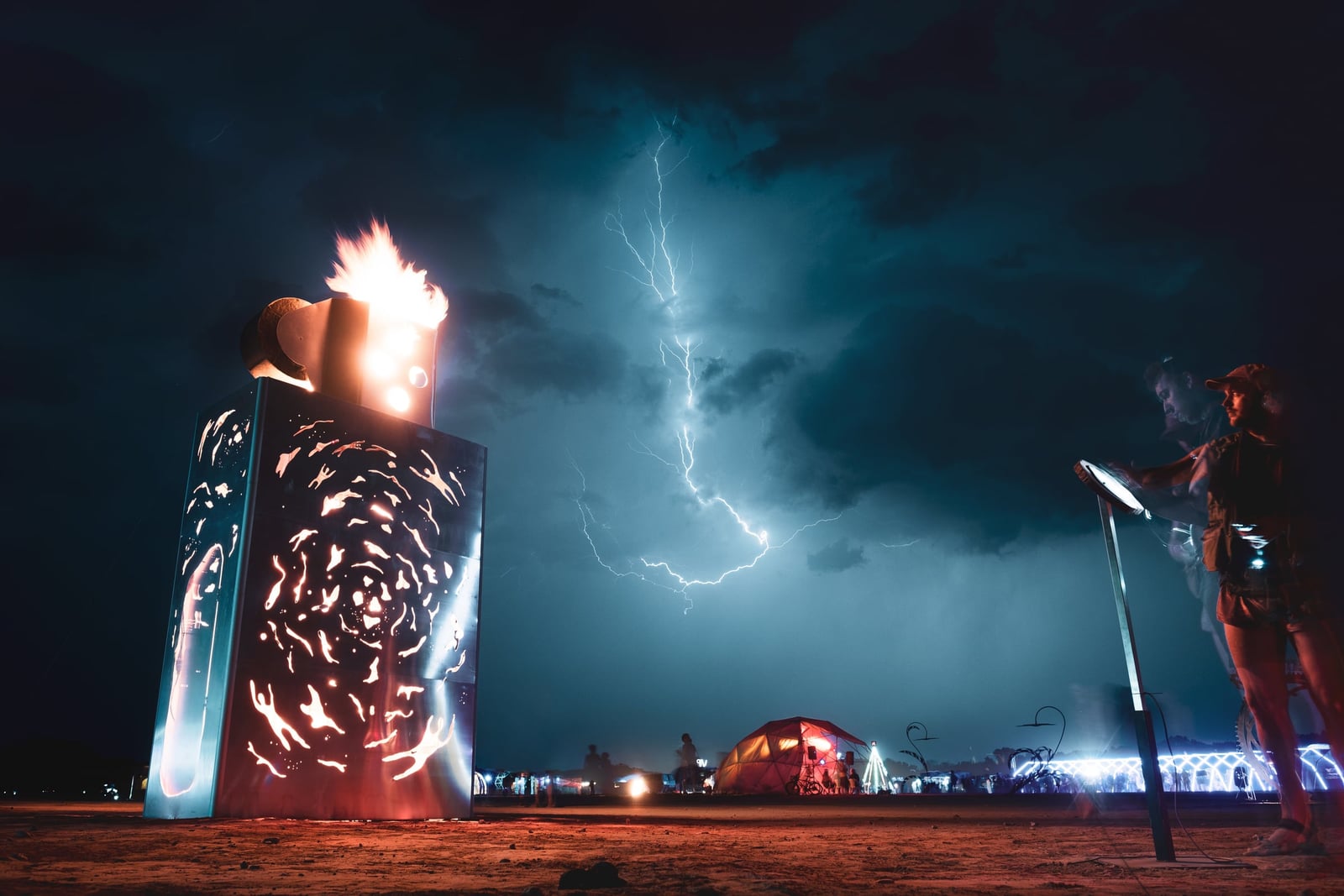
A supersized Zippo lighter that visitors ignite with their own flame.
Firestarter is an interactive installation presented at Nowhere in Monegros, a regional burn I have attended since 2015. The piece is an enlarged replica of the classic Zippo lighter. I wanted to work with fire as a material, so we learned propane systems, sensors, and ignition triggers from the ground up. You walk up, you light a fire. A small, rebellious act of speaking up. It lit the official closing ceremony.

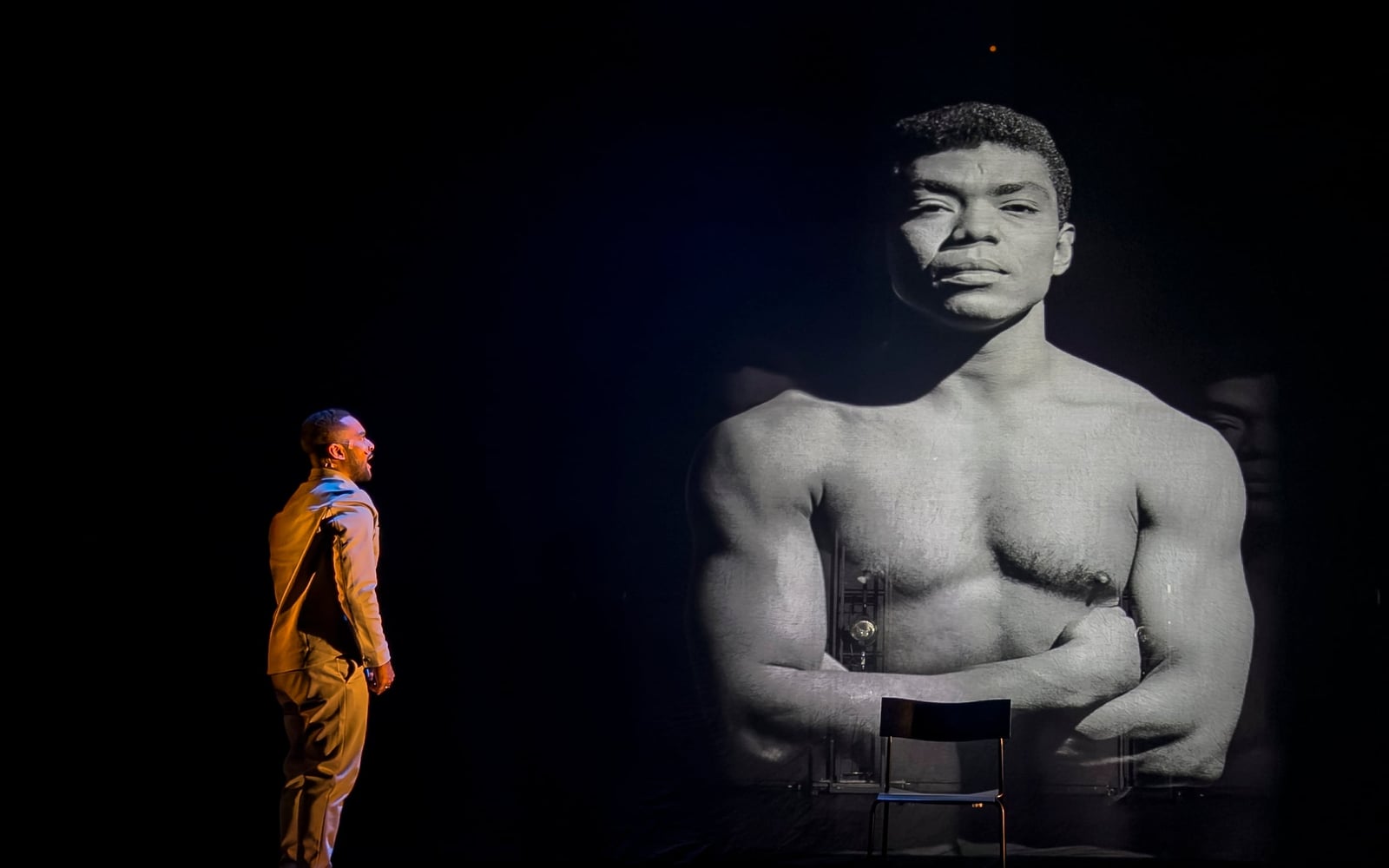
Scenography, video, and lighting design for a sold-out autobiographical stage piece about bipolar disorder.
Jag är Gud is an autobiographical one-man show by dancer and performer Danne Dahlin about living with bipolar disorder. I got involved through a mutual friend who introduced me to Danne, and we spent months talking about the piece.

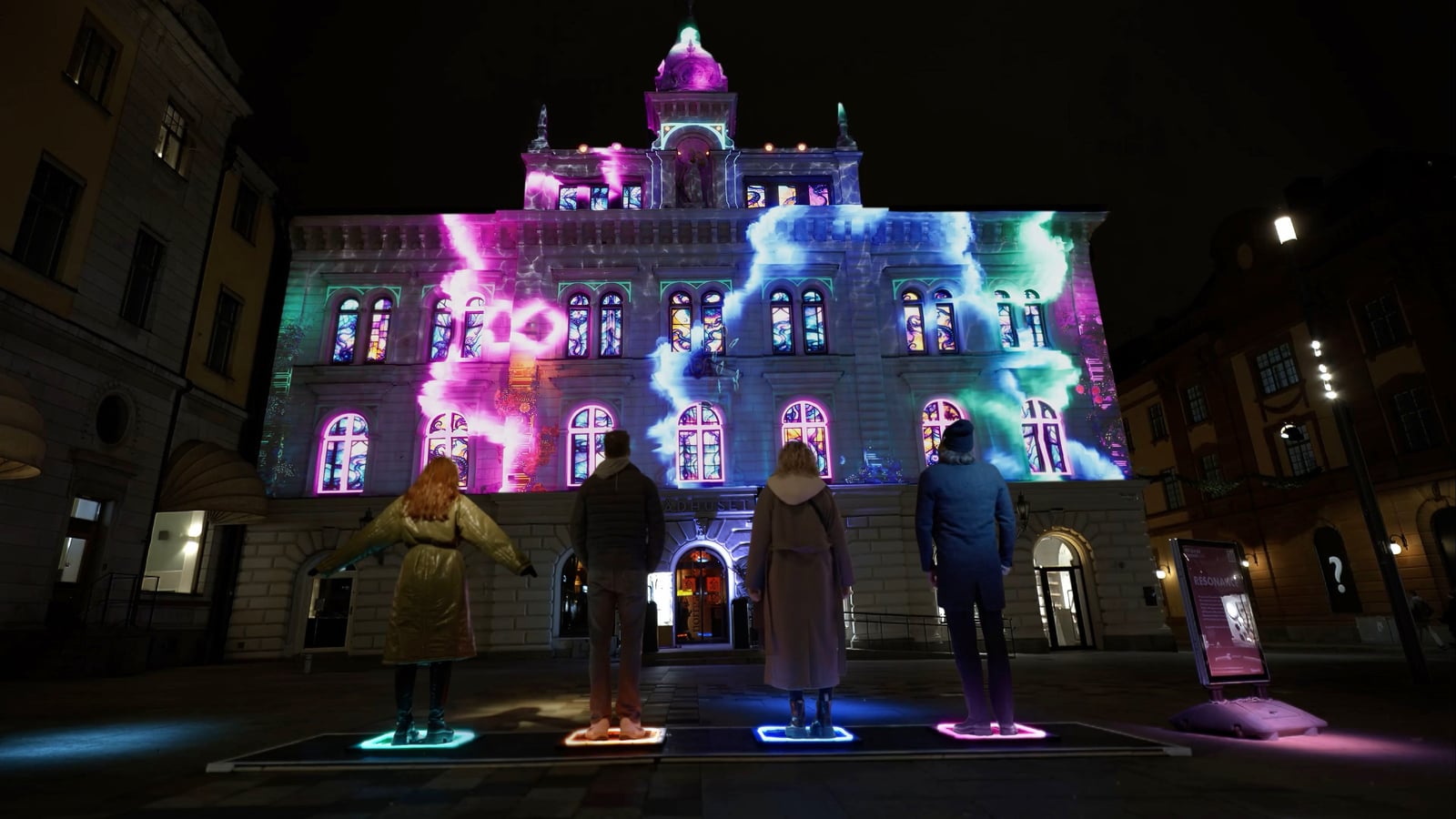
Interactive projection mapping on Uppsala Town Hall, where the public could paint the facade in colour.
Resonance was an interactive projection mapping piece on the facade of Uppsala Town Hall. Four weatherproofed touch pads with embedded lighting were placed in the main square, built to handle snow, rain, and countless jumps. I built them with Arduino, feeding into the Unreal Engine project over USB. Each pad triggered a colour ripple across the facade, animating an ocean scene on the building's surface. When all four pads were activated at once, a final sequence of light and music played out. I laser cut a scale model of the building for testing the projection, and the facade was drone-scanned to build a digital replica.

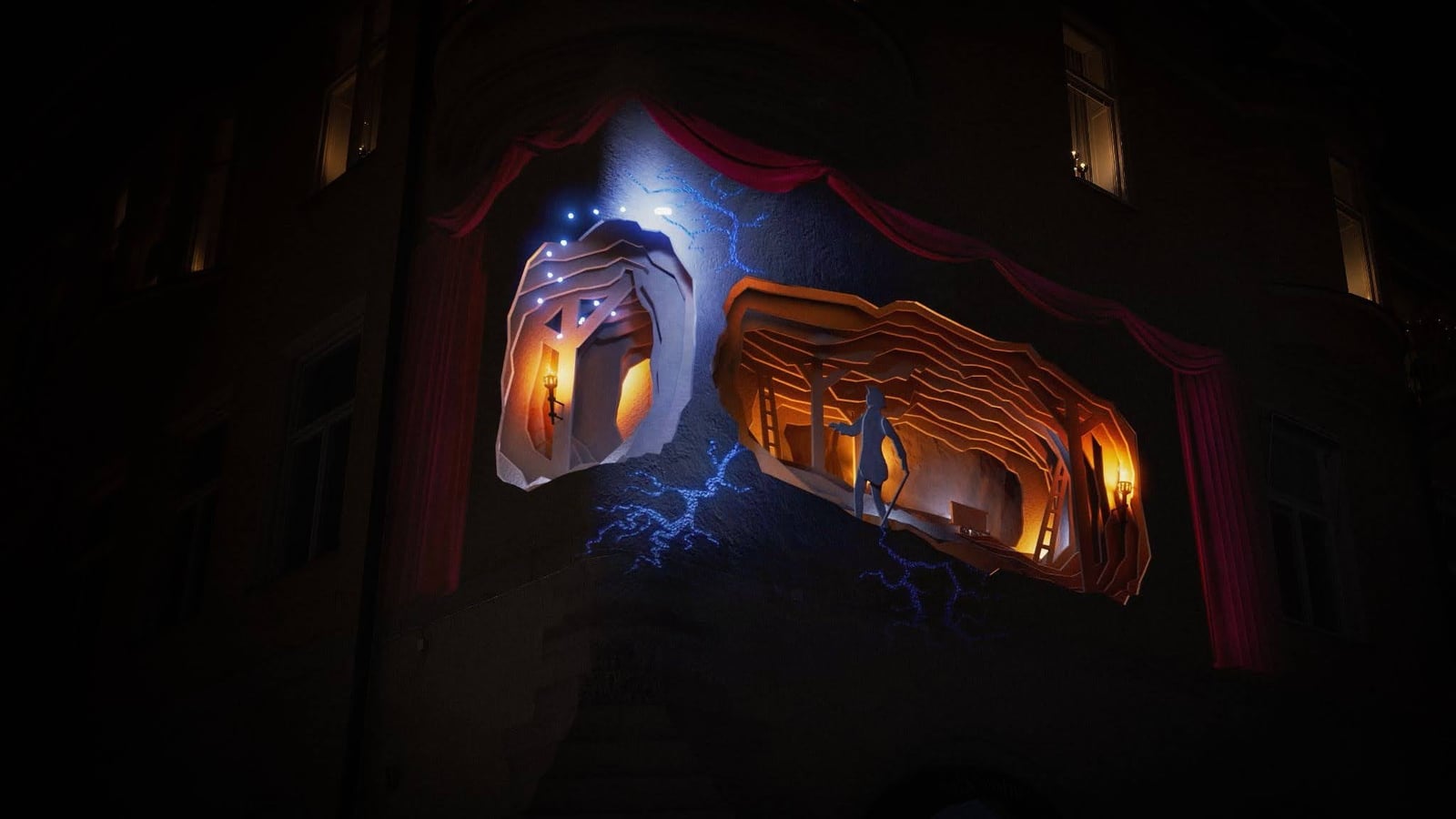
Projection mapping 400 years of Sala's history onto a curved facade.
In 2024, the city of Sala celebrated 400 years since receiving its city charter from Gustav II Adolf. For the anniversary, the piece took visitors on an audiovisual journey through 400 years of Sala's history, mapped onto a curved building facade. Much of the work was done on-site, aligning the projection to fit the architecture.

A collaborative tufting workshop using the exquisite corpse technique, turning cultural patterns into tufted textiles.
Tufting Ex Machina was a two-day workshop at Aavistus, an audiovisual festival in Helsinki that I have been part of since its start in 2022, as both an artist and collaborator through Nordic Audiovisual Artists. The workshop brought together 10 participants to tuft their own cultural canon. I'd learned tufting during a residency at Konvent Zero in Spain.

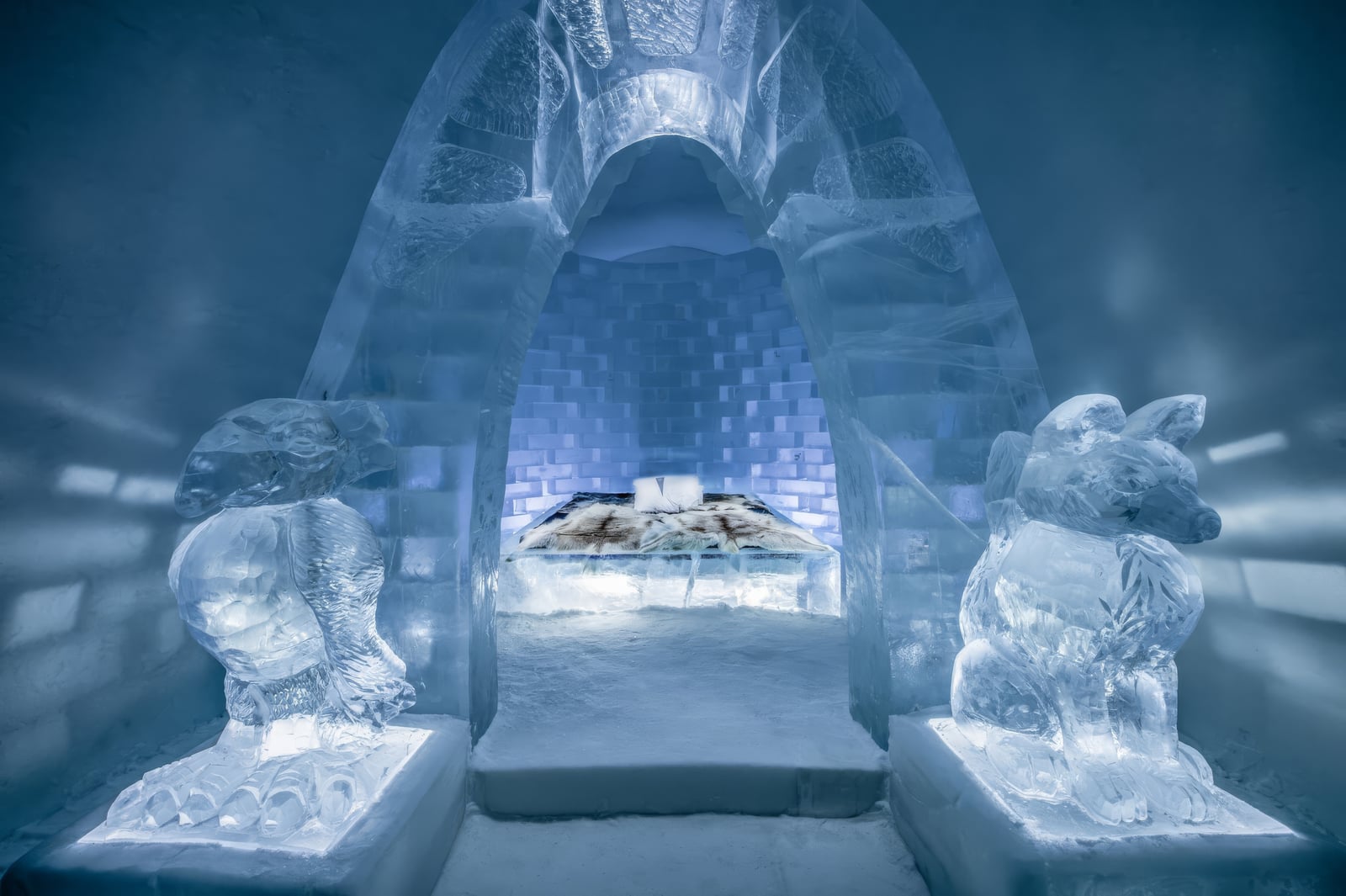
Two suites designed and sculpted for Icehotel in Jukkasjärvi, Sweden.
The seed was planted twice. First at 19, when I joined my father at KKV in Bohuslän and met a travelling sculptor duo who spoke of their Icehotel experience. Later, over an evening in London, my friend, artist and designer Joshua Space, mentioned he had worked there himself. It stayed in the back of my mind until 2018, when I finally applied together with sculptor and artist Jordi Claramunt, whom I had met at Nowhere in Spain, and architect Lukas Petko, a former student of mine at Hyper Island. The three of us made for an odd trio: Jordi the hands-on figurative sculptor, Lukas with his appreciation for symmetry and structure, and myself somewhere in between.

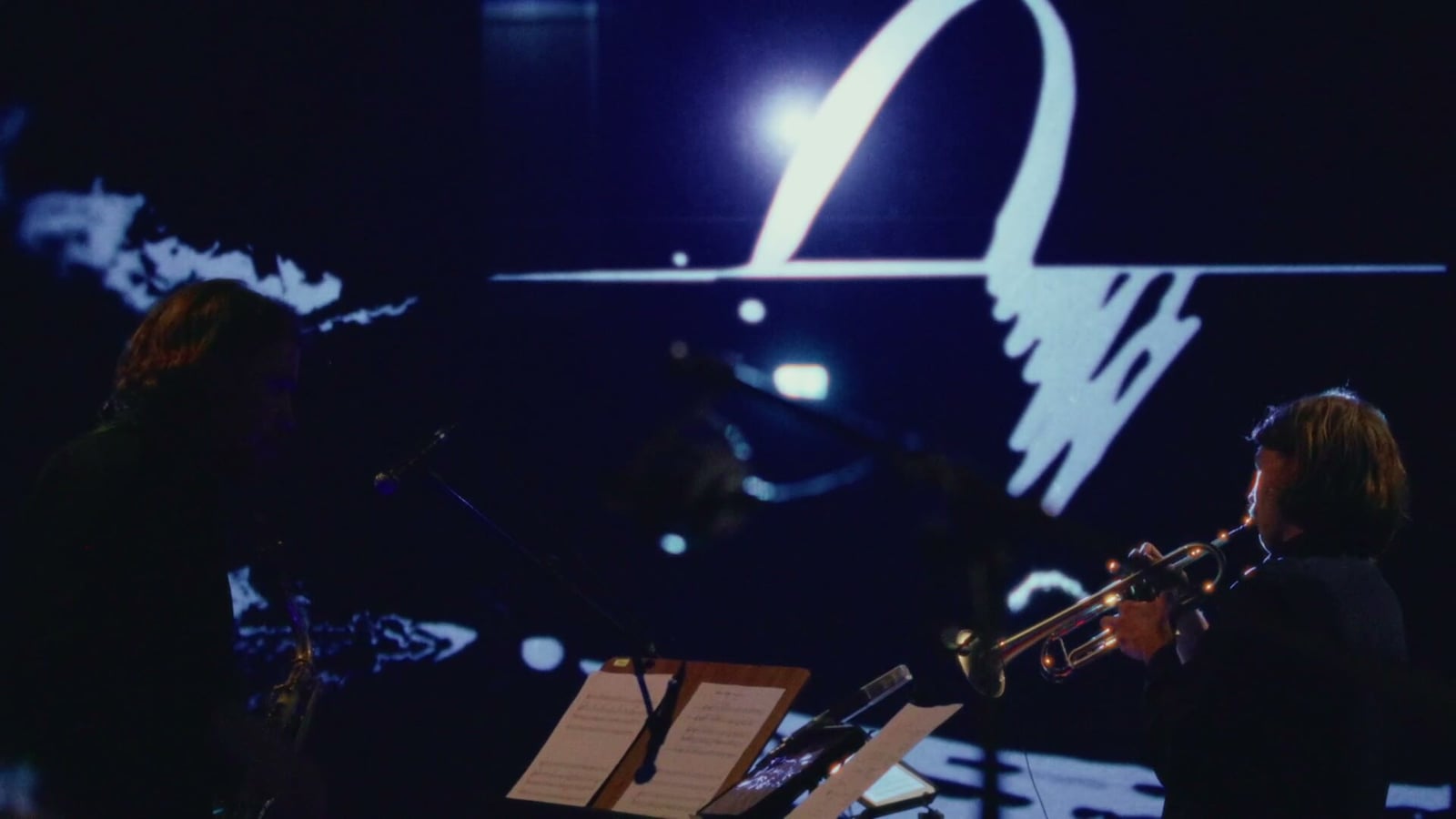
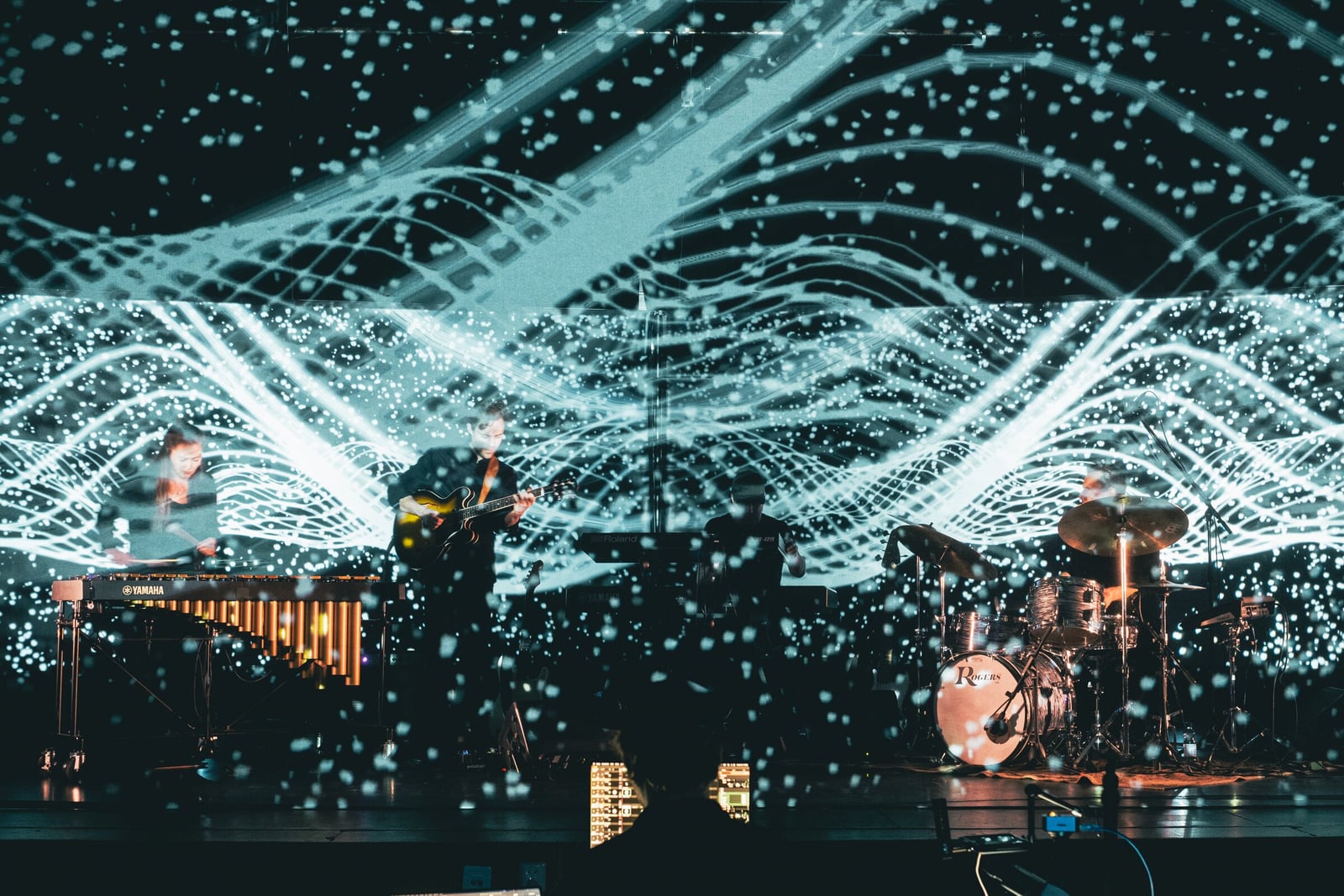
Album artwork and live visuals for electroacoustic jazz quintet People in Orbit.
I met trumpet player Adam Sass while working on another production, and he reached out about designing the artwork for their debut album Close/Away, released on Prophone Records. I was inspired by The Garden of Earthly Delights by Hieronymus Bosch and Hilma af Klint's colour work. The artwork is a repeating pattern that stitches onto itself, as if it were a physical world with several entries from the different sides of the print.

A sound-reactive work projected onto Uppsala Cathedral for Allt ljus på Uppsala in 2021 and onto Storkyrkan for Nobel Week Lights the year after.
Tove Alderin reached out through our mutual friend Sophia Wood. The piece played Dona nobis pacem alongside NASA's "Chorus", a VLF recording of electromagnetic waves in the Earth's magnetosphere. Anyone standing outside could sing into their phone and become a voice in the work. Pitch analysis at the Stockholm University Phonetics Laboratory drove particles that formed a pattern across the facade.

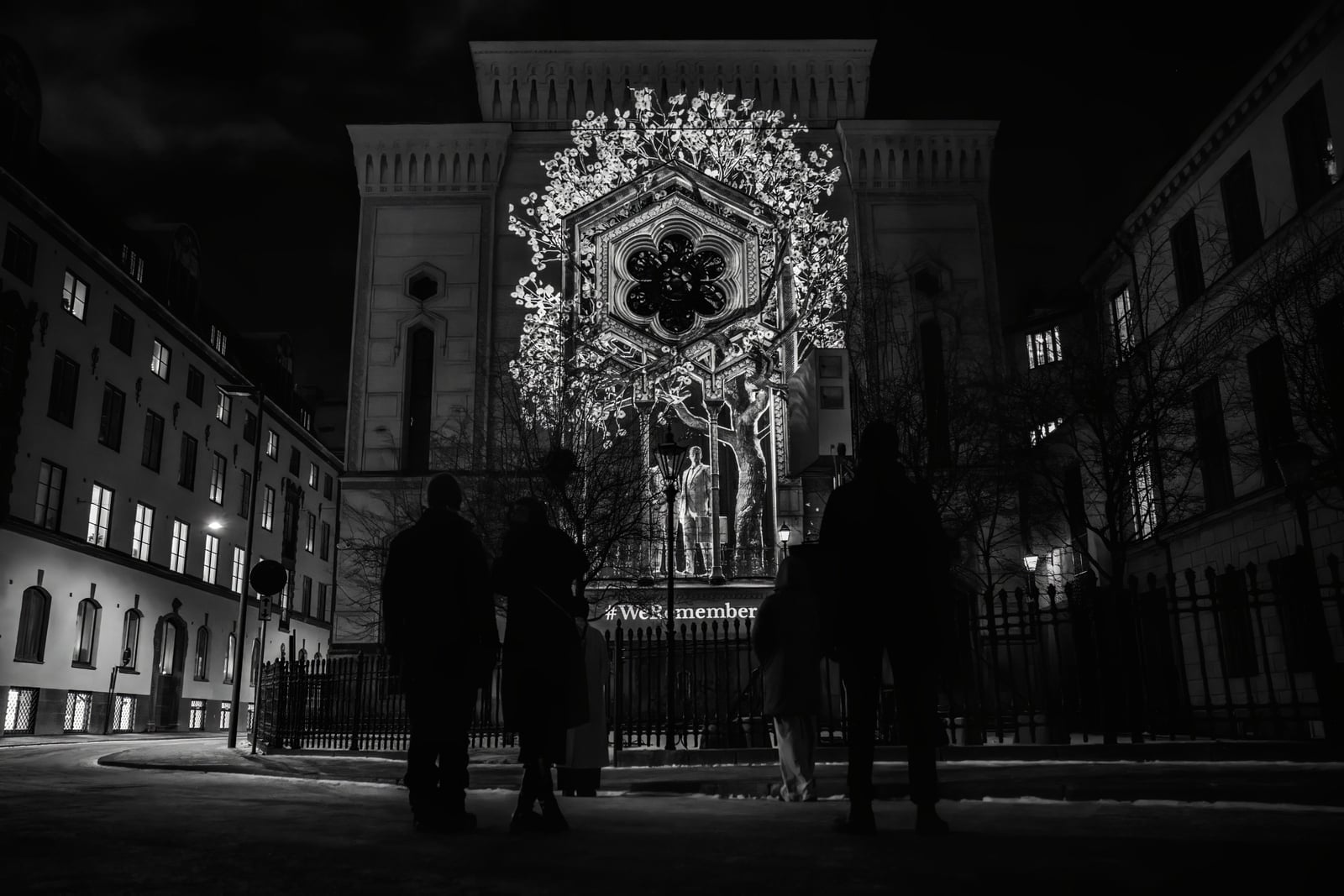
Real-life statues, drone-scanned architecture, projected onto Stockholm's Great Synagogue.
Heroes was a projection mapped piece on the facade of Stockholms Stora Synagoga in 2022. The work honoured Raoul Wallenberg, who saved thousands of Jews in Budapest during the Holocaust, and Dag Hammarskjöld, 1961 Nobel Peace Prize laureate and UN Secretary-General. Real-life statues of both men were 3D scanned and the synagogue was captured by drone, giving us precise geometry to work with. Black and white, high contrast, with tight animation set to the building's ornate architecture.

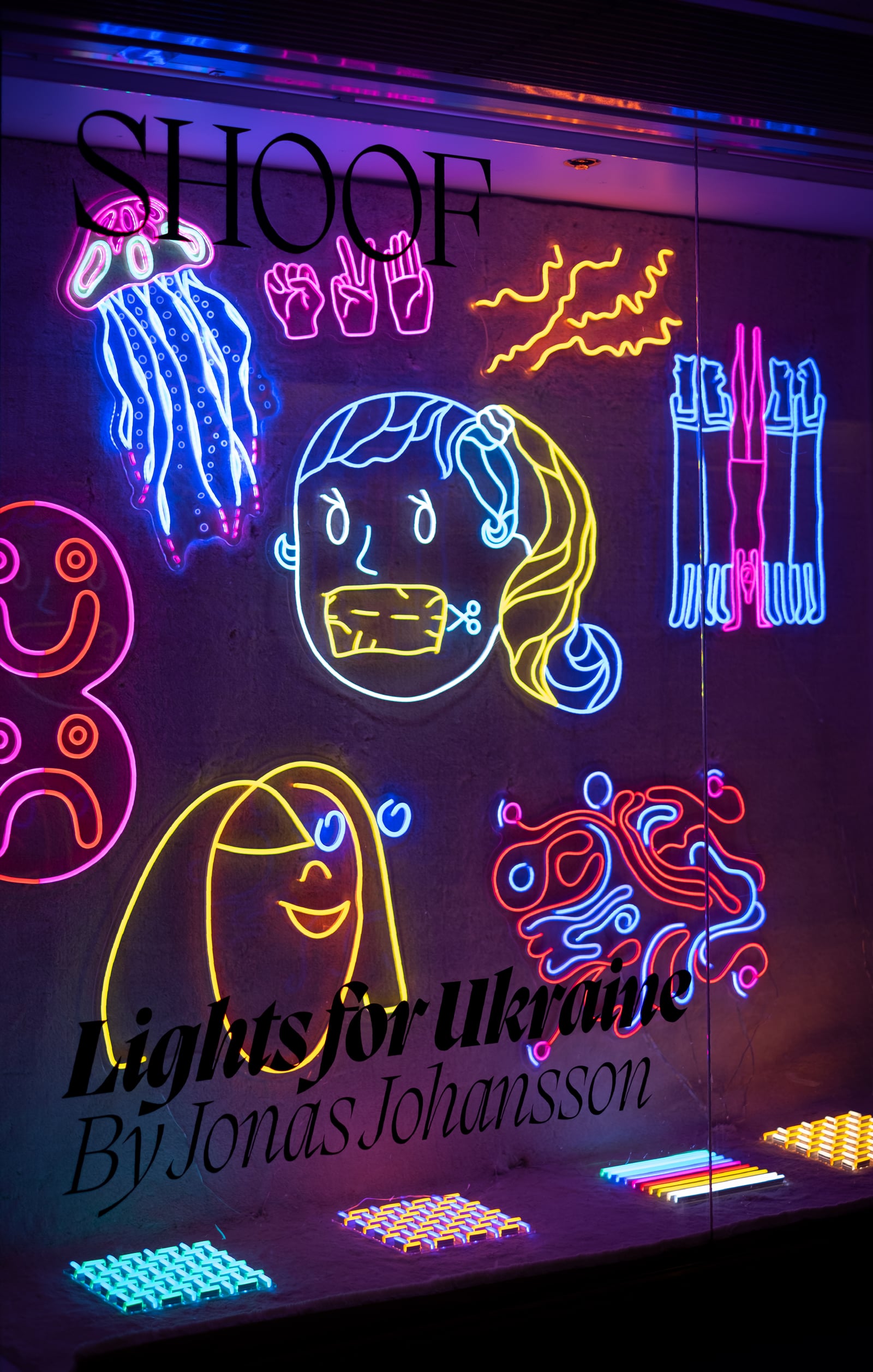
An open call for illustrations, turned into LED signs and auctioned for Sverige för UNHCR.
Lights for Ukraine was an exhibition of custom light signs at Shoof, a mobile booth gallery in Hornstull metro station by graphic designer Samira Bouabana, which I rented for a month. Through an open call, illustrators submitted work that I prepared for production as LED signs with coloured silicone covers on laser-cut acrylic. I built a custom auction system so passersby could bid on the pieces directly. All signs were auctioned off with proceeds going to Sverige för UNHCR, the UN Refugee Agency.

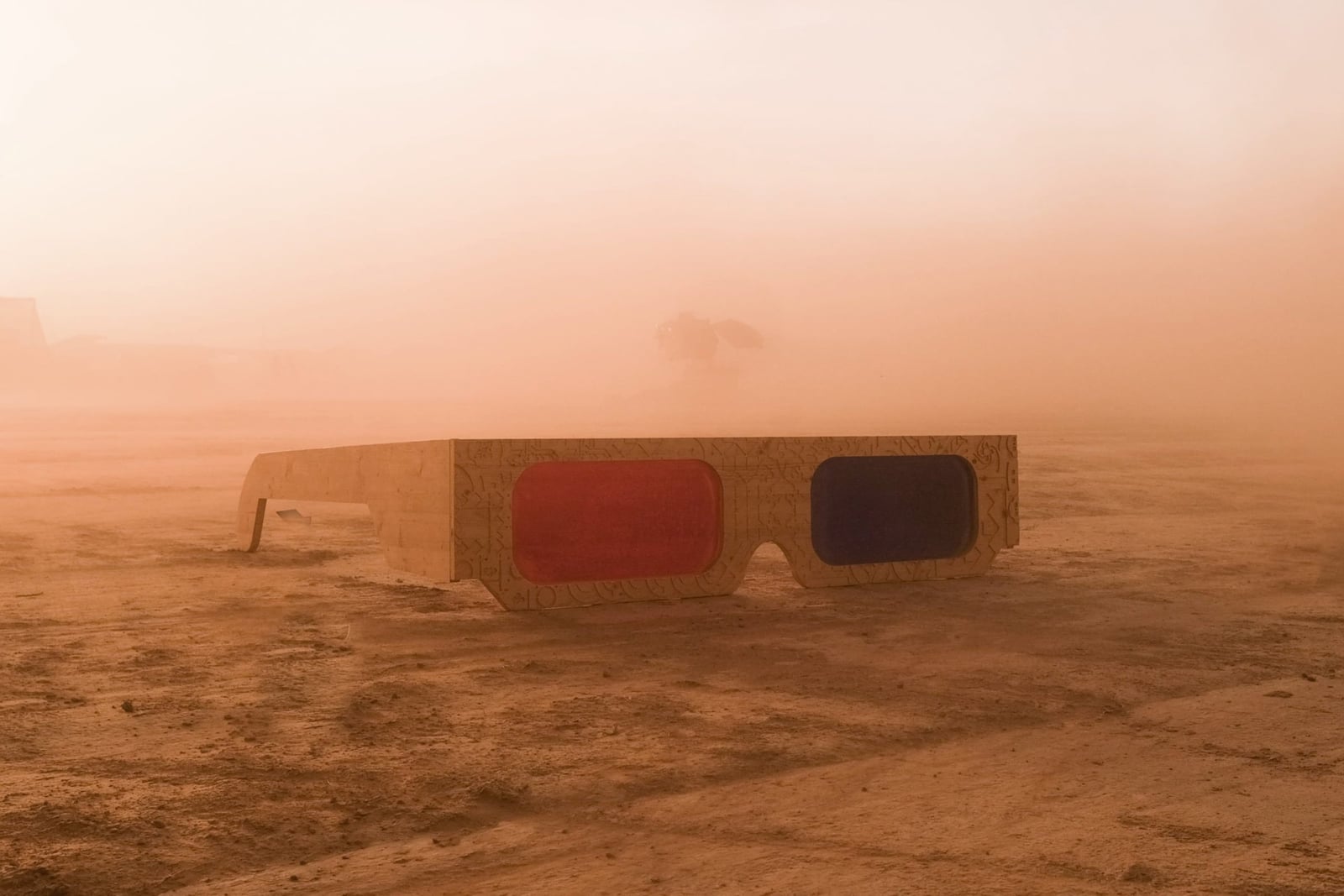
A pair of supersized 3D glasses you can sit inside, adorned with patterns inspired by Catalan mosaic tiles.
Retrospectives was built for Nowhere 2022. The glasses were about two metres wide and half a metre tall, CNC-milled, with the classic red-and-blue stereoscopic lenses. The patterns were inspired by Catalan mosaic tiles, the kind being lost to new building projects across Barcelona. I had been obsessed with The Tilehunter, a Catalan man who travels to document and archive these tiles, an obsession I brought with me to a residency at Konvent Zero where I worked with tufting and tiles. At Nowhere the glasses gave people a place to sit and look at the environment "in 3D". Nothing more, nothing less. Massive glasses.

An audiovisual artist residency in a former school on the west coast of Sweden.
Visualia grew out of my work with NAVA (Nordic Audiovisual Artists) and the open call collaborations around Harpa and Sónar Reykjavík, where visual artists were paired with musicians to create new audiovisual performances. The idea of pairing artists to make something new kept pulling at me. I found a place for it in Långaveka småskola, a former school from the early 1900s in Glommen, Halland, where I grew up. Two artists stay for three weeks, working both individually and together.

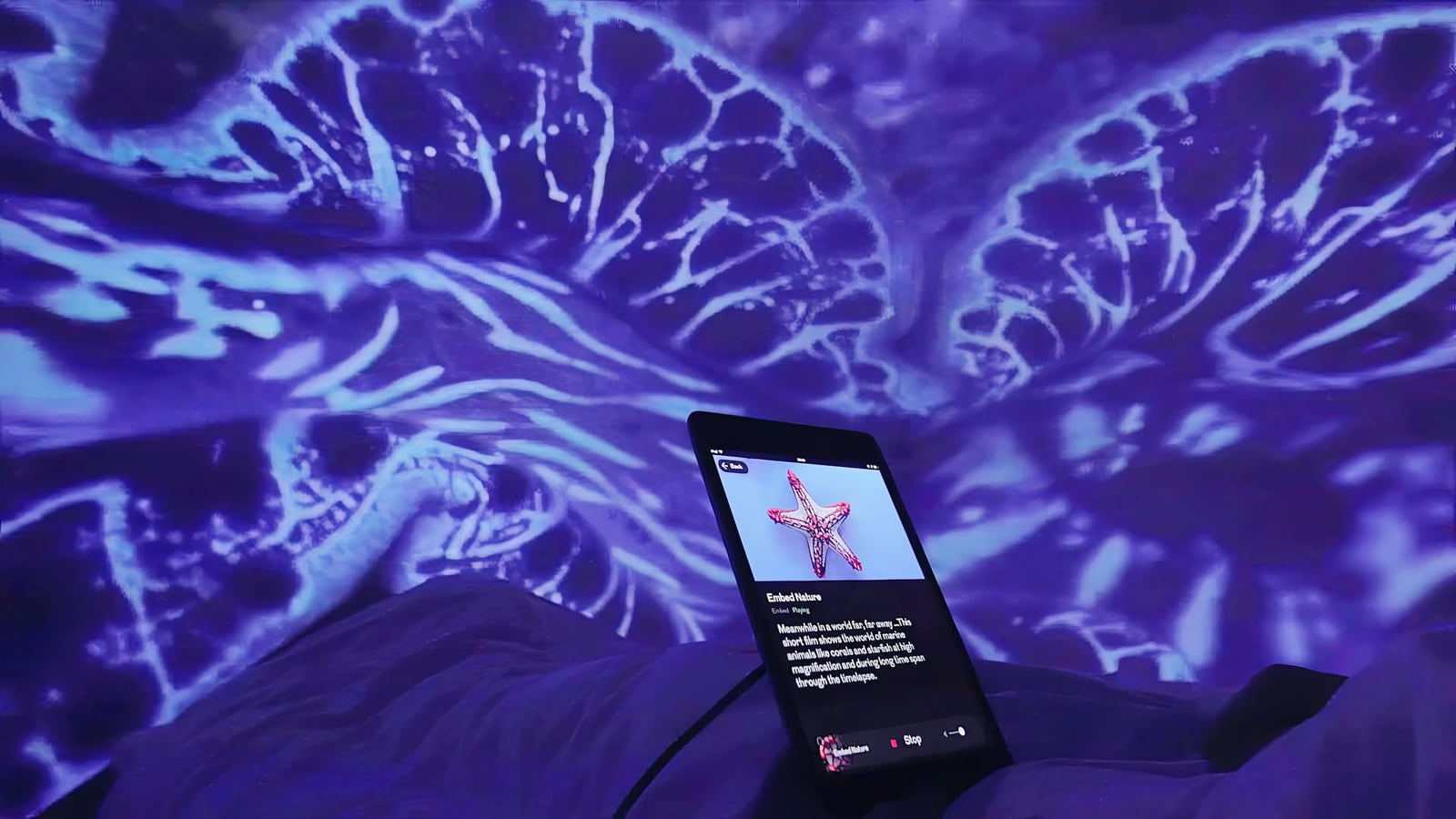
A Hobo Hotel room where guests fill all four walls with films from a tablet by the bed.
In 2021, three short-throw projectors were installed in a small hotel room at Hobo Hotel in Stockholm, with an elaborate speaker system and a custom control interface on a tablet. Guests could book the room and browse curated films and generative graphics, surrounded by visuals on every wall.

An interactive installation combining smart textiles and augmented reality, 25 metres below ground in a retired nuclear reactor hall.
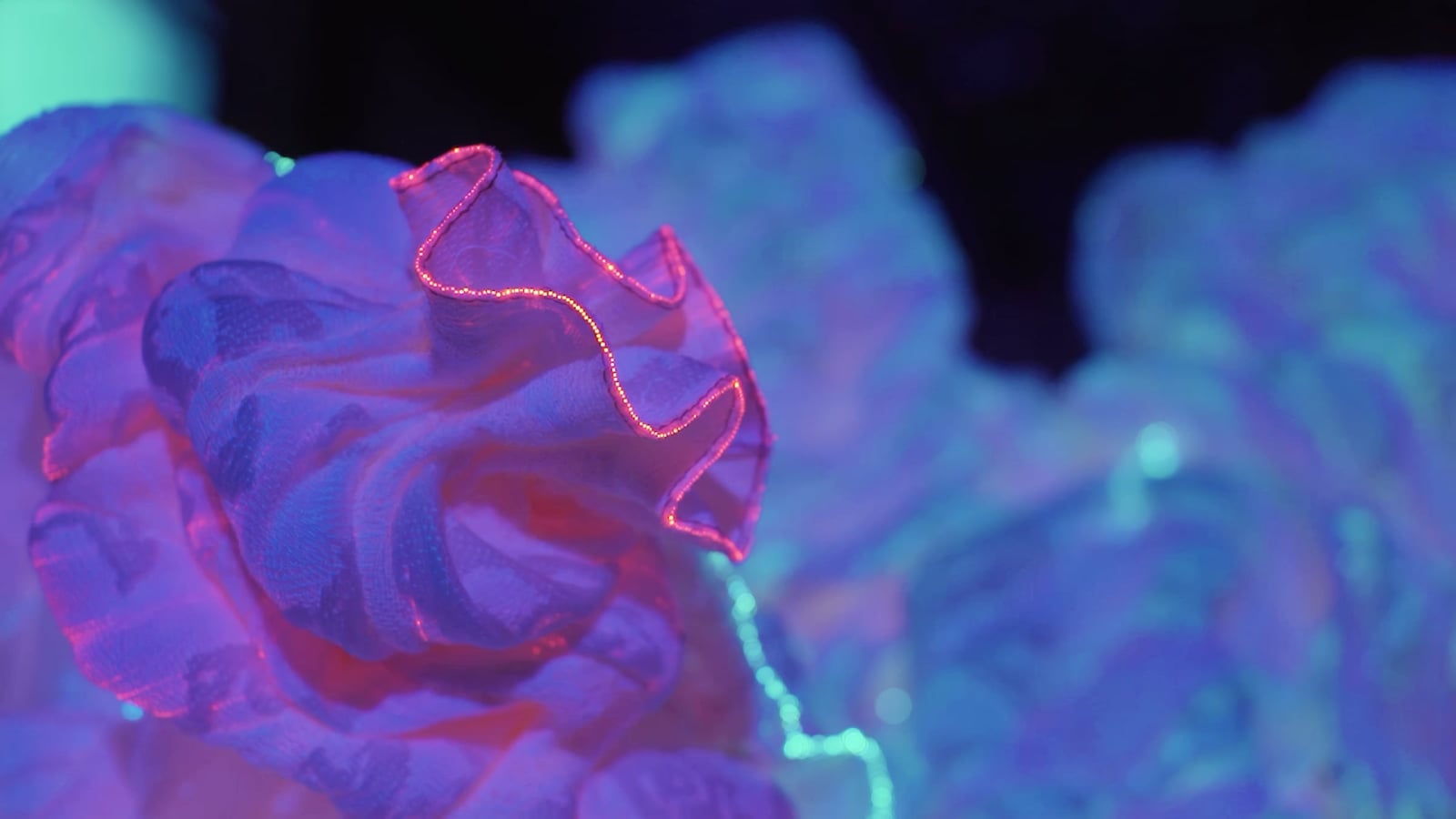
Emerging Sensation took over Reaktorhallen R1, the old reactor hall underneath KTH in Stockholm, for several weeks in January 2019. The textile sculptures combined optic fibre and custom 3D-printed parts, with LED strips woven directly into the fabric. Conductive thread woven into the fabric gave the sculptures capacitive touch, so when visitors touched them, the light animations shifted and a signal was sent to the HoloLens AR layer.
I built the light animations on Arduino and a node-based OSC system that bridged the physical sculptures and the HoloLens. I spent days and nights in that reactor hall, listening to System of a Down and going slightly insane.

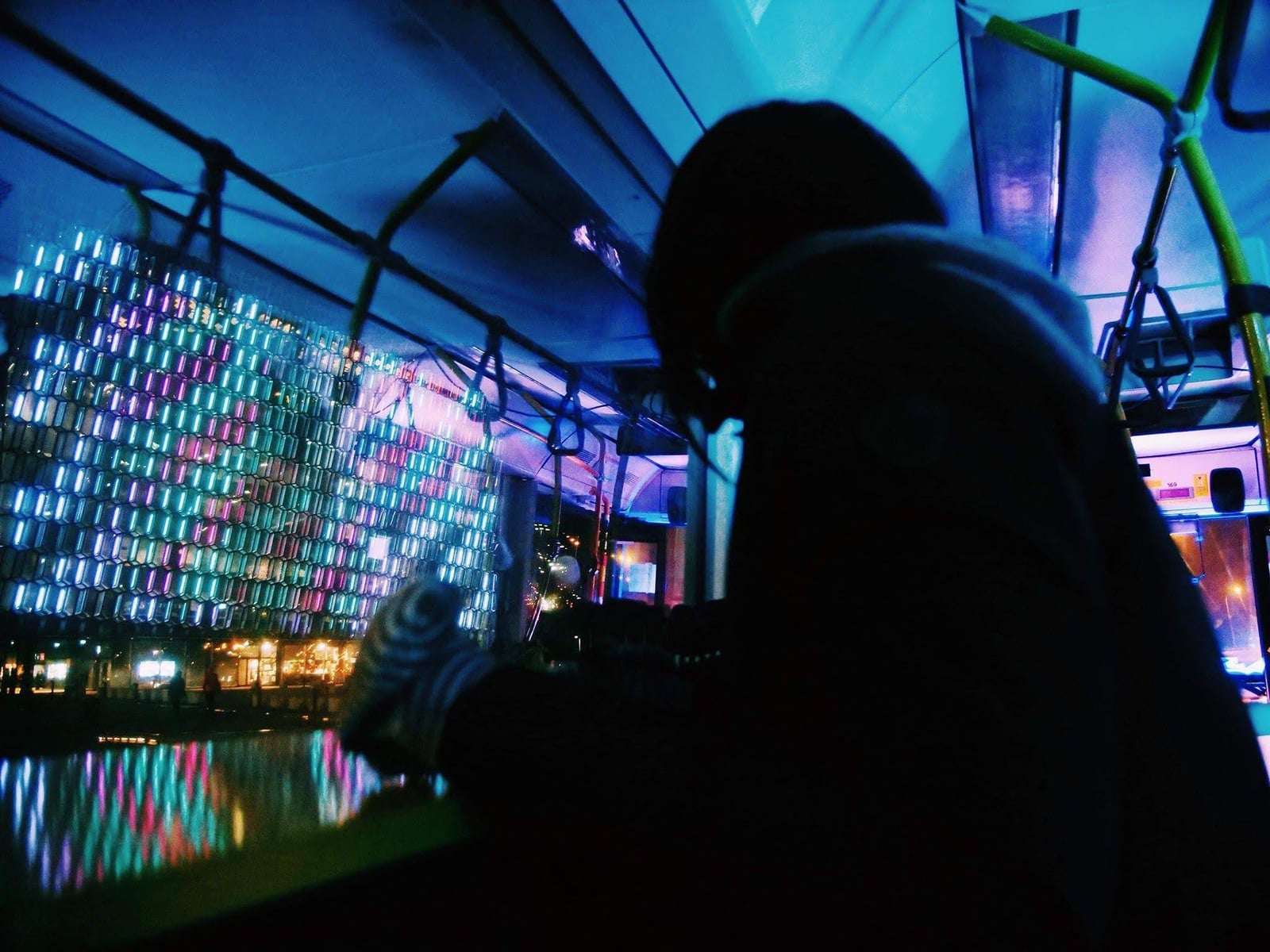
An open call for artists to illuminate the facade of Harpa Concert Hall in Reykjavík: 77 pixels wide, 13 pixels tall, one enormous building.
Tiny/Massive grew out of NAVA (Nordic Audiovisual Artists) and our years of working with the Harpa facade. The name says it all: the building's 714 LED panels map to a resolution of just 77 by 13 pixels across an almost 100-metre wide facade, each pixel over a metre wide. We released an open call inviting artists to create video, generative, and interactive content for this tiny-but-massive canvas, and the response was strong, with well-known generative artists contributing.

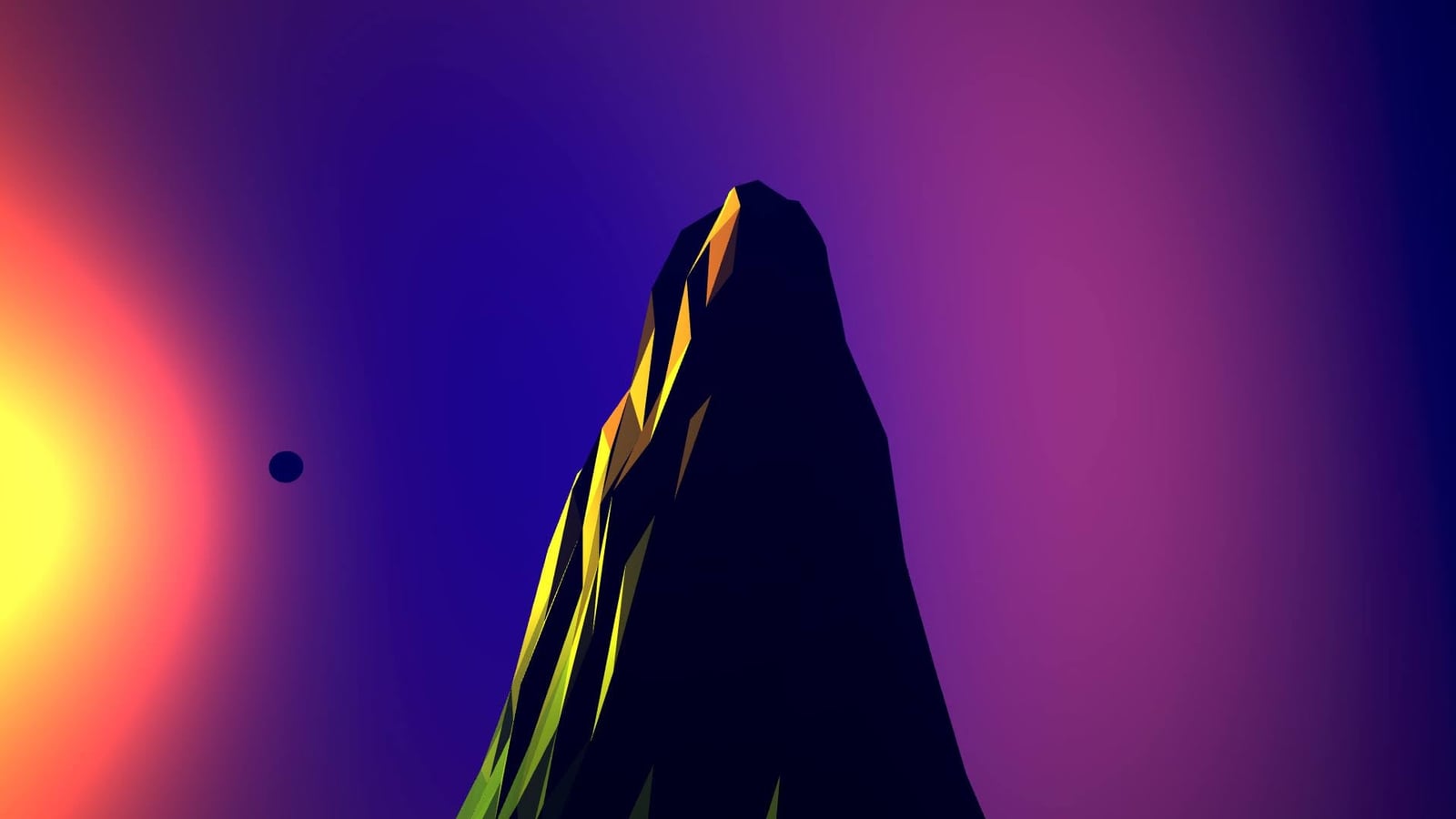
A decade of web-based generative landscapes: mountains, cloth, and caves, each with its own light and sound.
Vista means a distant view through an opening, an extensive mental view over a stretch of time. Each piece is a web-based landscape built in Three.js, with generative sound, light, and terrain. The series began in 2012 while living in Montreal, working at a design studio on large-scale stage experiences, and starting to treat code as sculpture rather than function.

We turned the 714-panel LED facade of Reykjavík's Harpa Concert Hall into a public game, then an instrument.
It started in 2014 when Atlí Bollason and Owen Hindley turned Harpa's 43-metre tall, almost 100-metre wide facade into a publicly playable game of Pong. Launched on Menningarnótt (Culture Night) on 23 August 2014, it was the first time Ólafur Elíasson granted another artist access to the 714 LED panels embedded in the south facade's steel-and-glass quasibrick structure. Anyone with a smartphone could join a Wi-Fi network and take control of a paddle on the building.

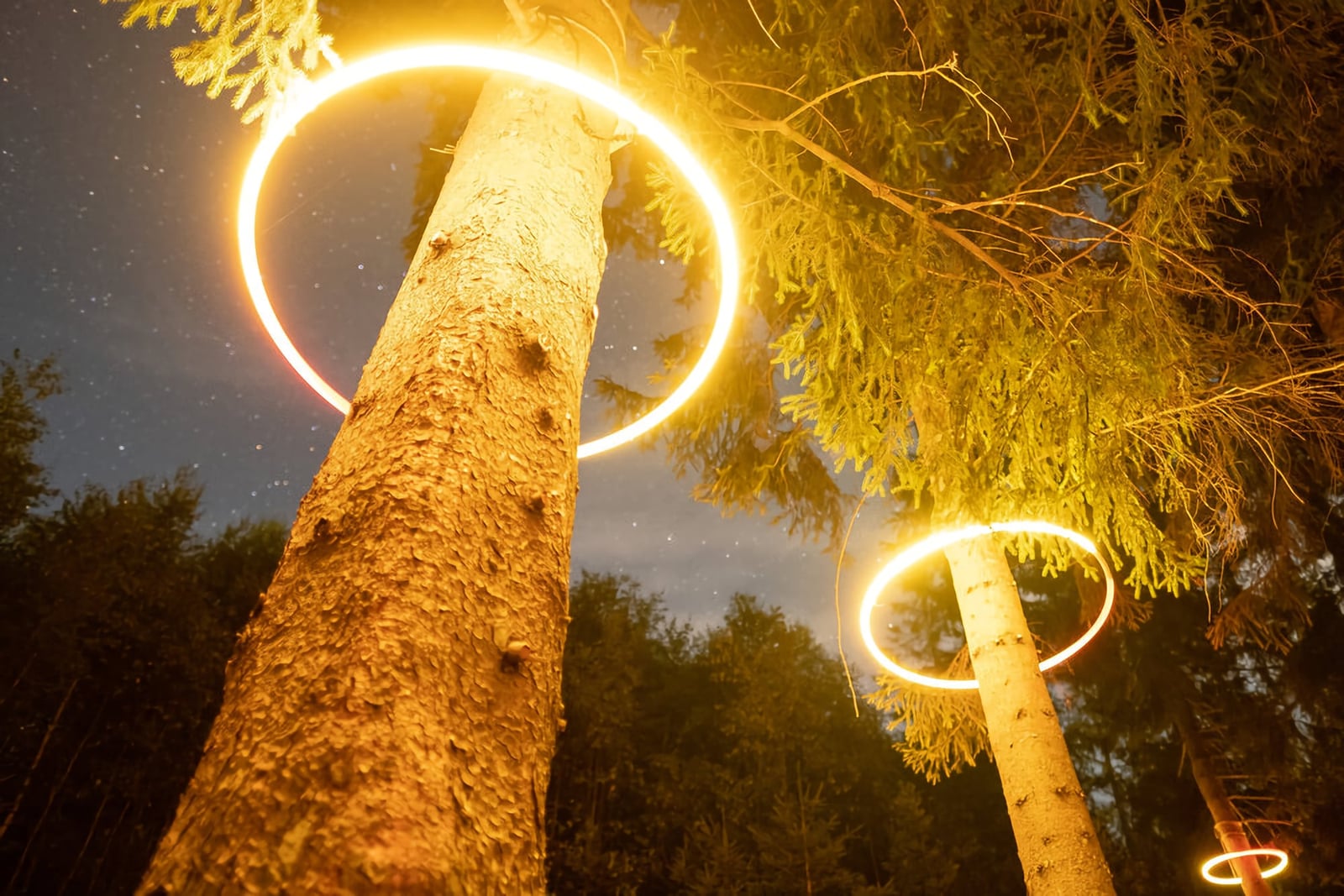
Svartljus builds modular light installations for forests, festivals, and public spaces.
Svartljus started in 2017 at Stugan, a co-created makerspace in Sickla, Stockholm. I connected with Olle Bjerkås and Markus Persson and we began experimenting with light. Our first piece was a light tunnel for Spotify: two rows of LED columns controlled in real time, serving as both entrance and exit at their Stockholm HQ. In 2018, Per-Olov Jernberg joined, bringing hardware and software skills that let us create more reactive systems. That year we exhibited at Sónar Reykjavík and ran a workshop on our techniques.

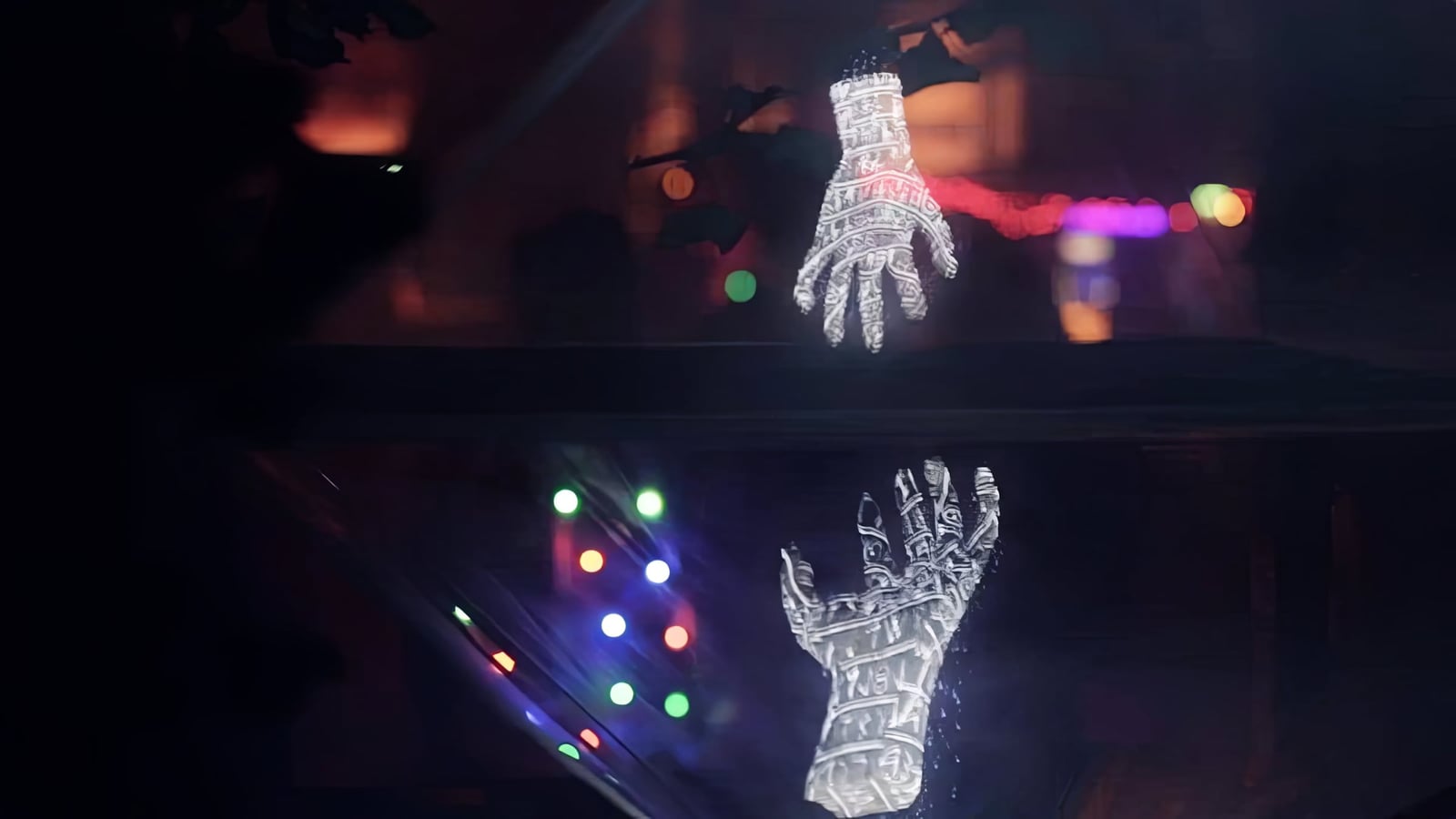
An interactive Pepper's Ghost installation inspired by Michelangelo's Creation of Adam, where two strangers' fingertips touch in mid-air.
Transcend was built for Urban Burn Stockholm in 2017. Two acrylic glass pyramids, one inverted on top of the other, sat inside a wooden cage adorned with colours, patterns, and vines. We wanted an Indiana Jones feeling, like discovering a hidden ancient machine.


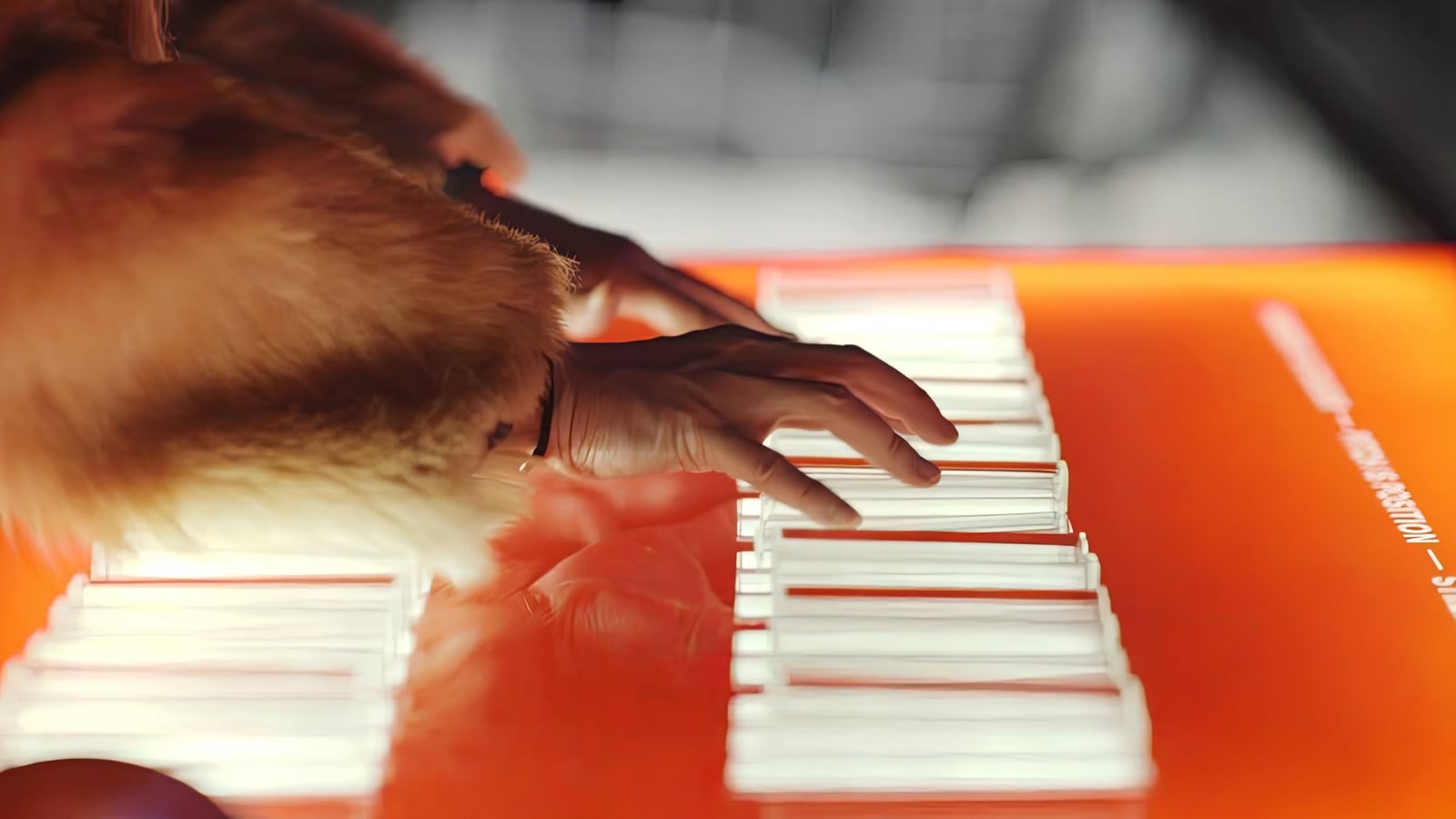
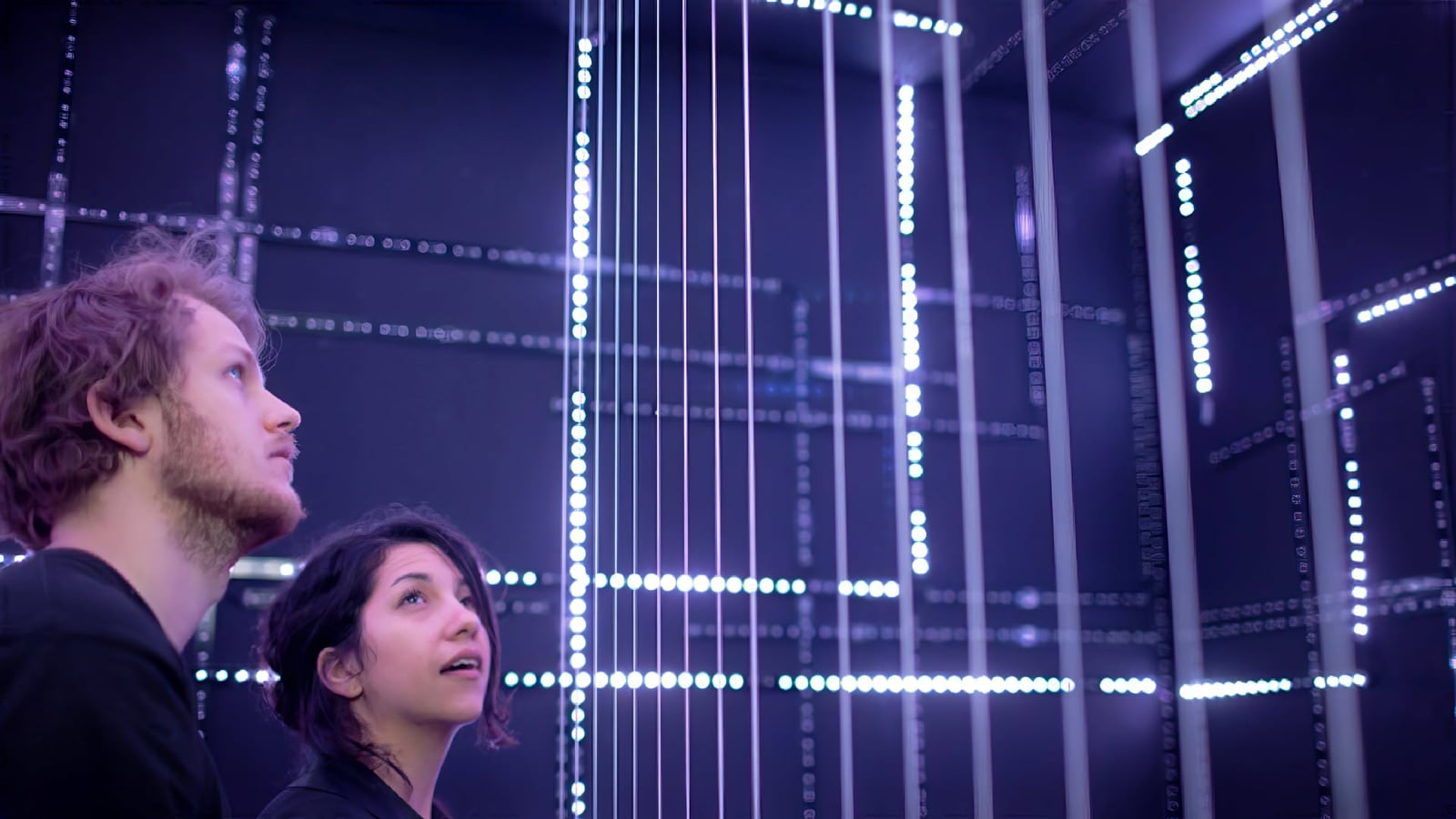
A playable light instrument. Strings hung from floor to ceiling in a darkened room, each one triggering light and sound when plucked.
Lyra was my first foray into interactive light art. A set of fishing wire strings was strung tightly from floor to ceiling, each fitted with an accelerometer. When a visitor plucked a string, the sensor fed its peak value into an algorithm simulating a vibrating chord. Light and sound grew from the tip of the string and travelled along the walls and ceiling, turning the room into a kind of circuitry. The more people played, the richer it got. Built on Arduino.