Facing Worlds

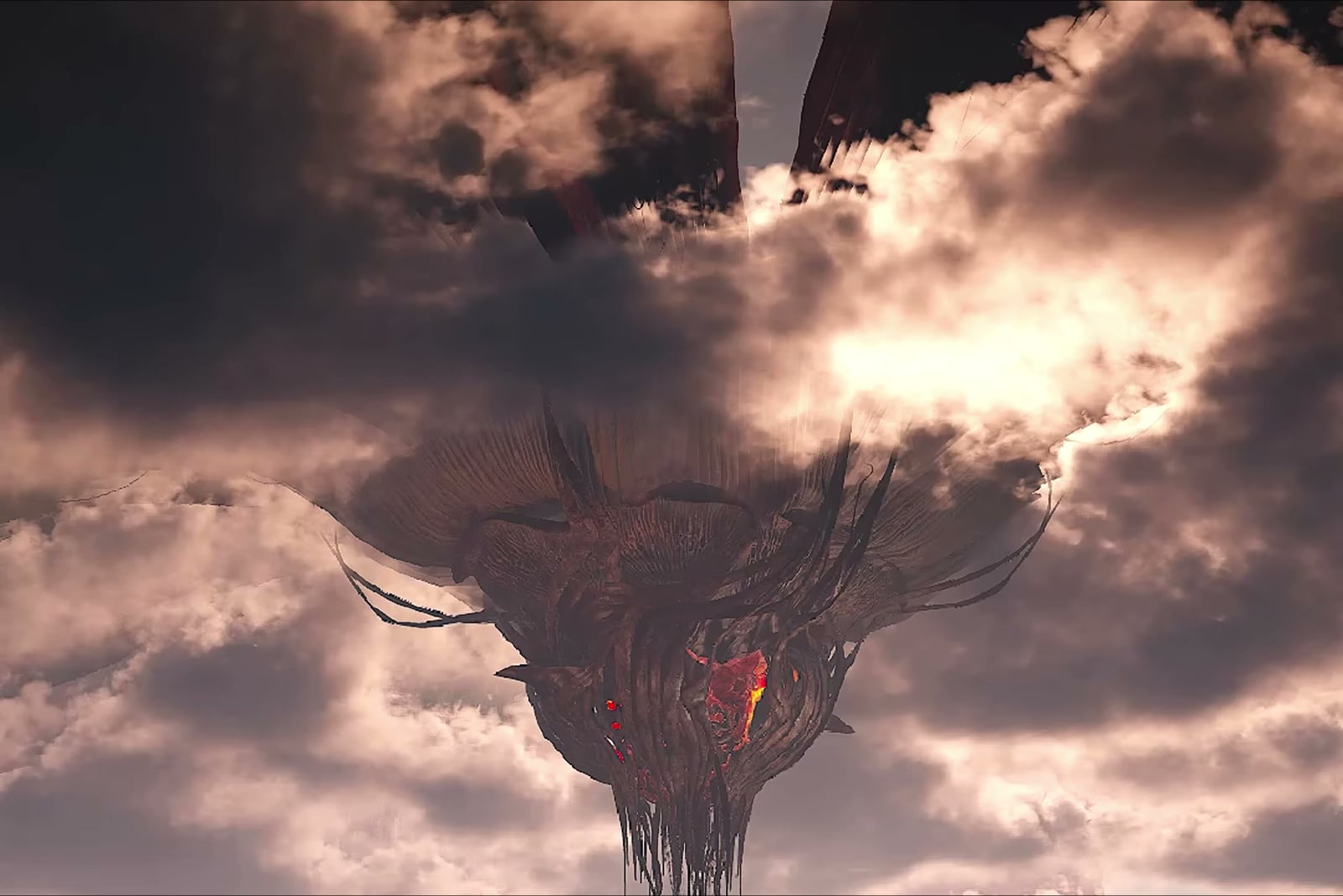
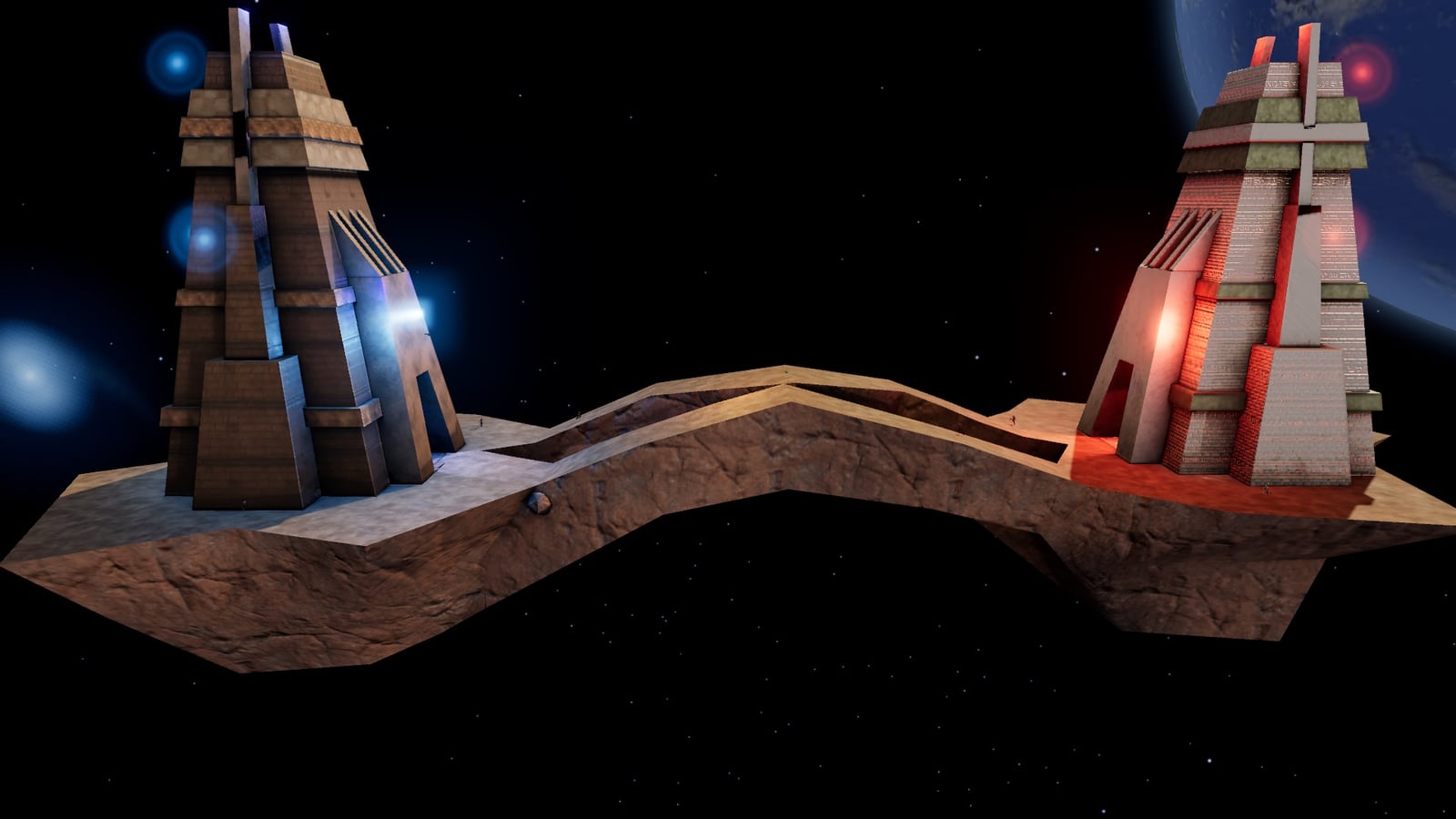
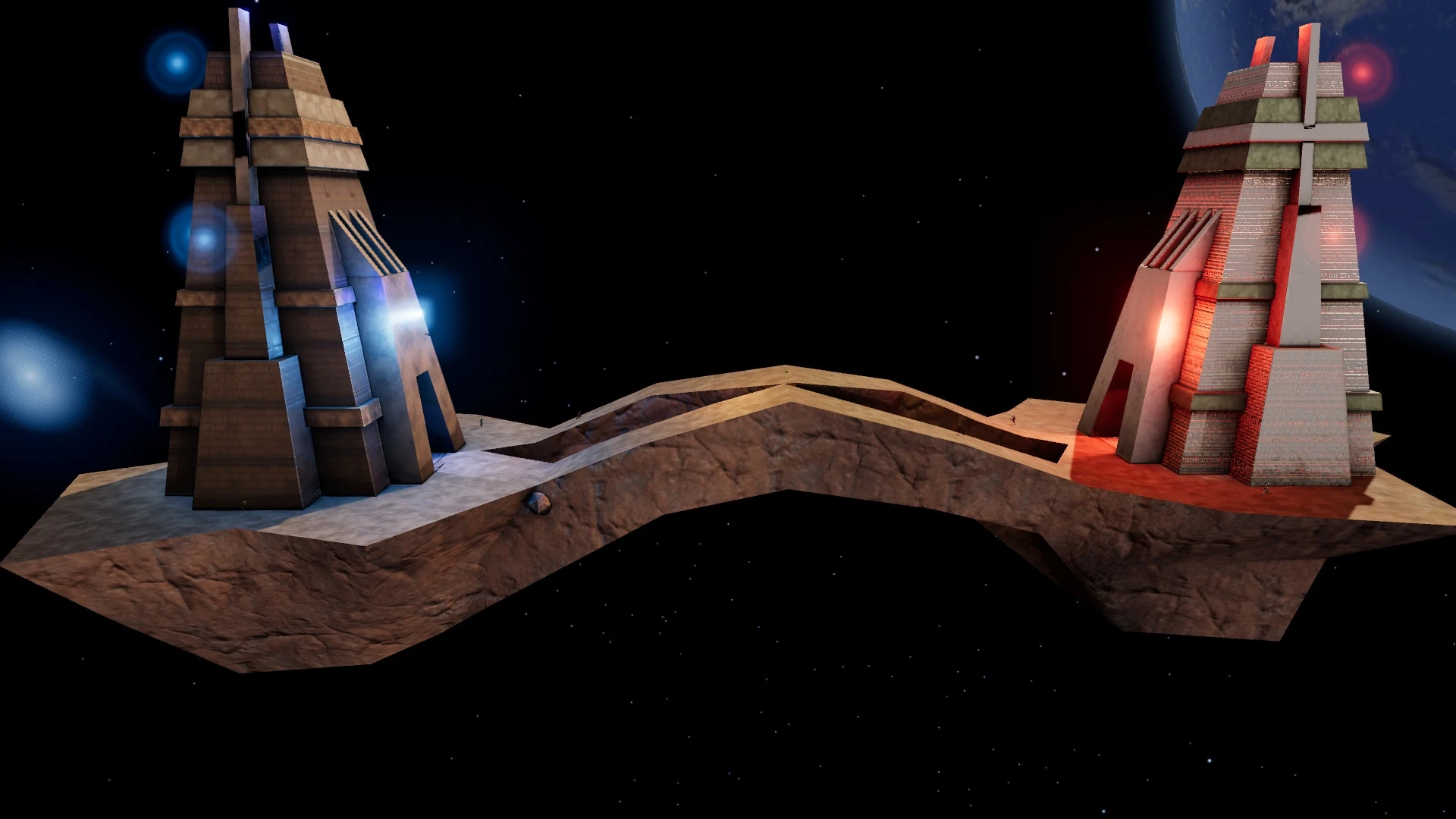
The blue and red towers of Facing Worlds rise from opposite ends of an asteroid bridge in space.

Facing Worlds has grown into a browser-native desktop 5v5 capture-the-flag game, rebuilt from the data, rules and assets of Unreal Tournament’s most famous map.

Open facingworlds.org on a computer and you drop straight into the match. A WebSocket server fills two five-player teams with bots, makes room as people join, and keeps the shots, damage, deaths, flags and score in sync. Six weapons, pickups, character animation, the UT99 HUD, original sounds and announcer, and a live scoreboard now make it a game rather than a map viewer.

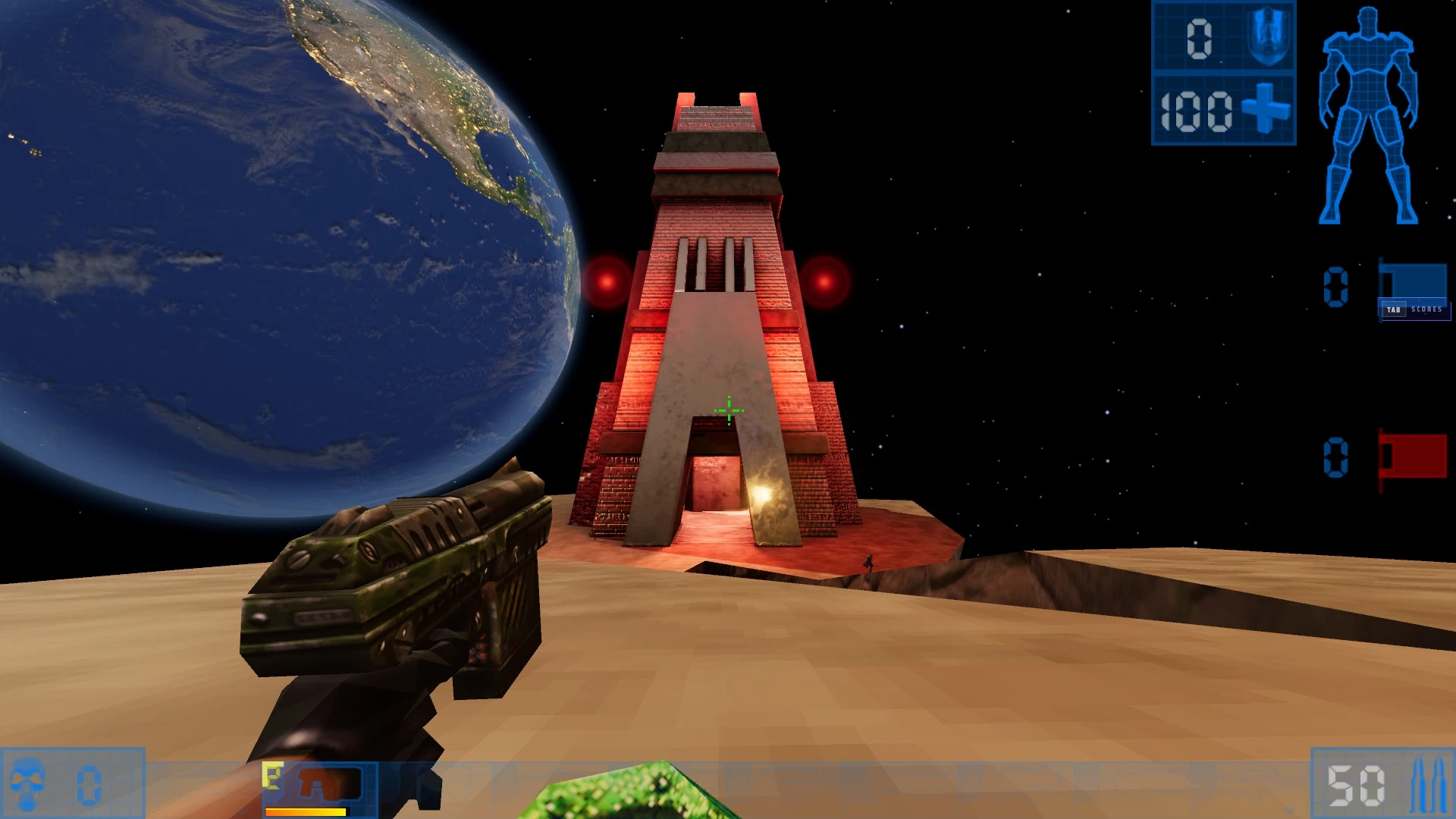
A first-person player aims an Enforcer across the bridge at the red tower while the UT99-style HUD shows health, ammunition and both flags.

The firing cadence, weapon poses, projectiles, muzzle flashes and impact effects follow the original UnrealScript wherever the browser can. The characters carry the right weapons, move through the original animation sets and stay in the match through hits, deaths and respawns. It is still deliberately rough and immediate: click the page, grab a flag and run.

On a phone, the same live match becomes a miniature arena you can walk around on the table.

The mobile AR view is a spectator companion to the desktop game. The phone camera uses six-degree image tracking to hold the arena still on the print, while a read-only connection brings in the match: players run, carry the correct weapons and flags, fire and fall in the same positions seen by everyone playing first-person. You can move the phone around the table, crouch beside a tower and watch the score and both team rosters update on screen.

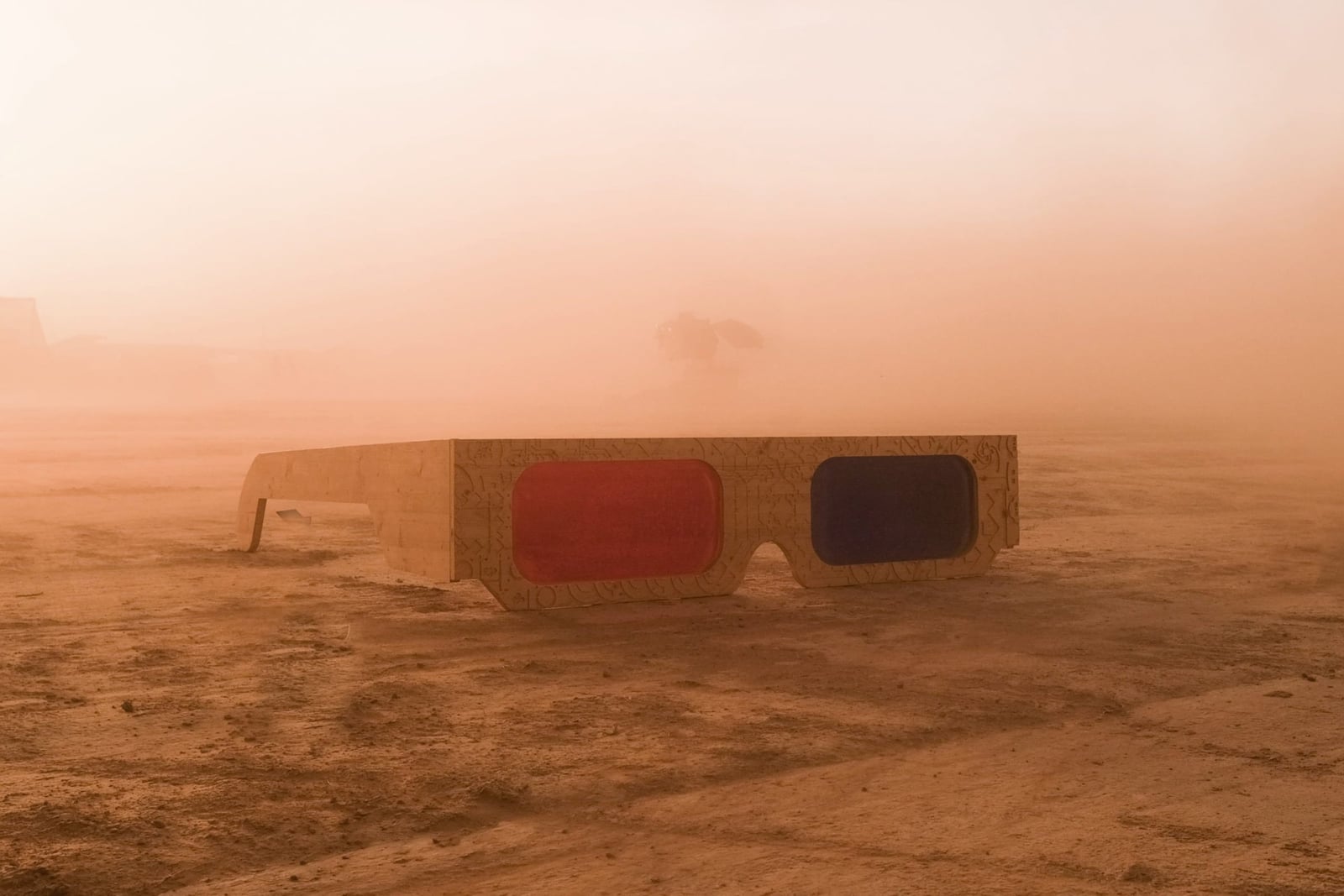
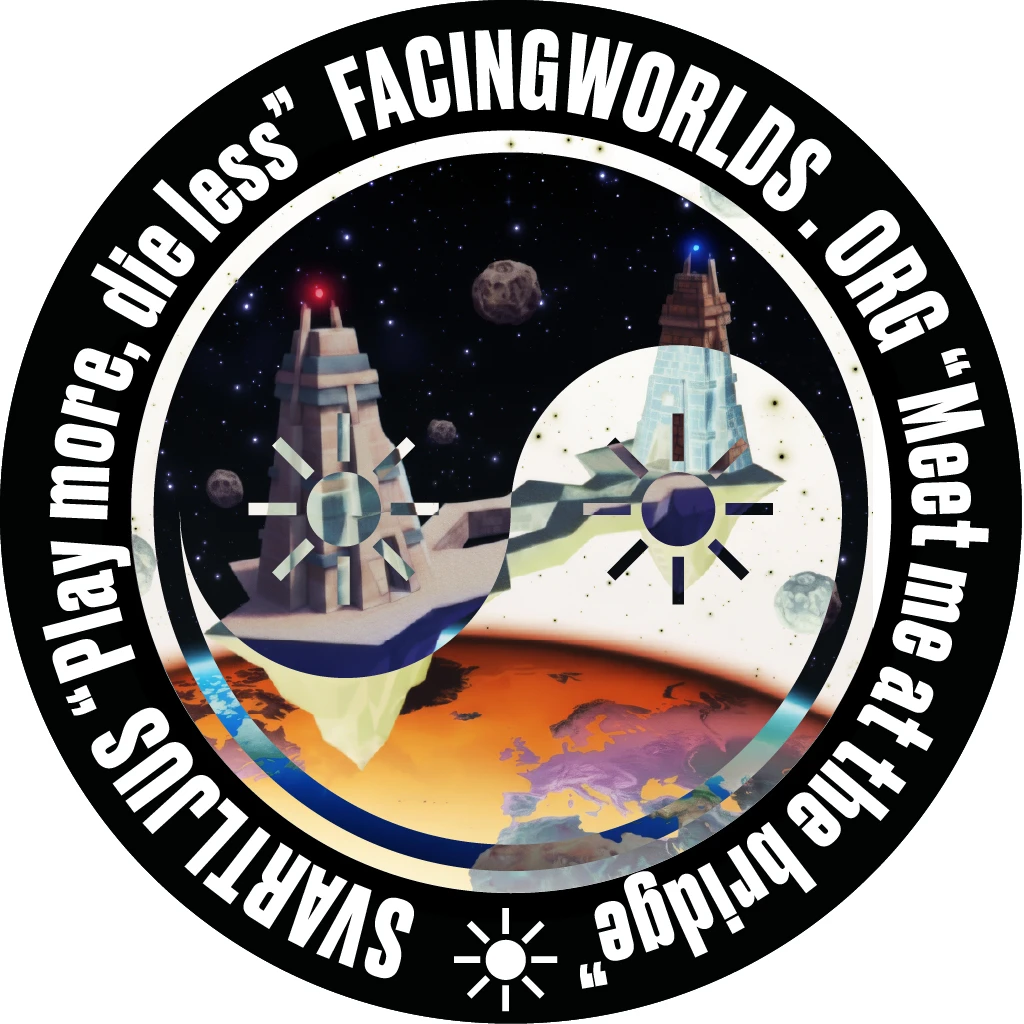
The full circular Facing Worlds image-tracking marker, built from the opposing towers and two sun symbols.
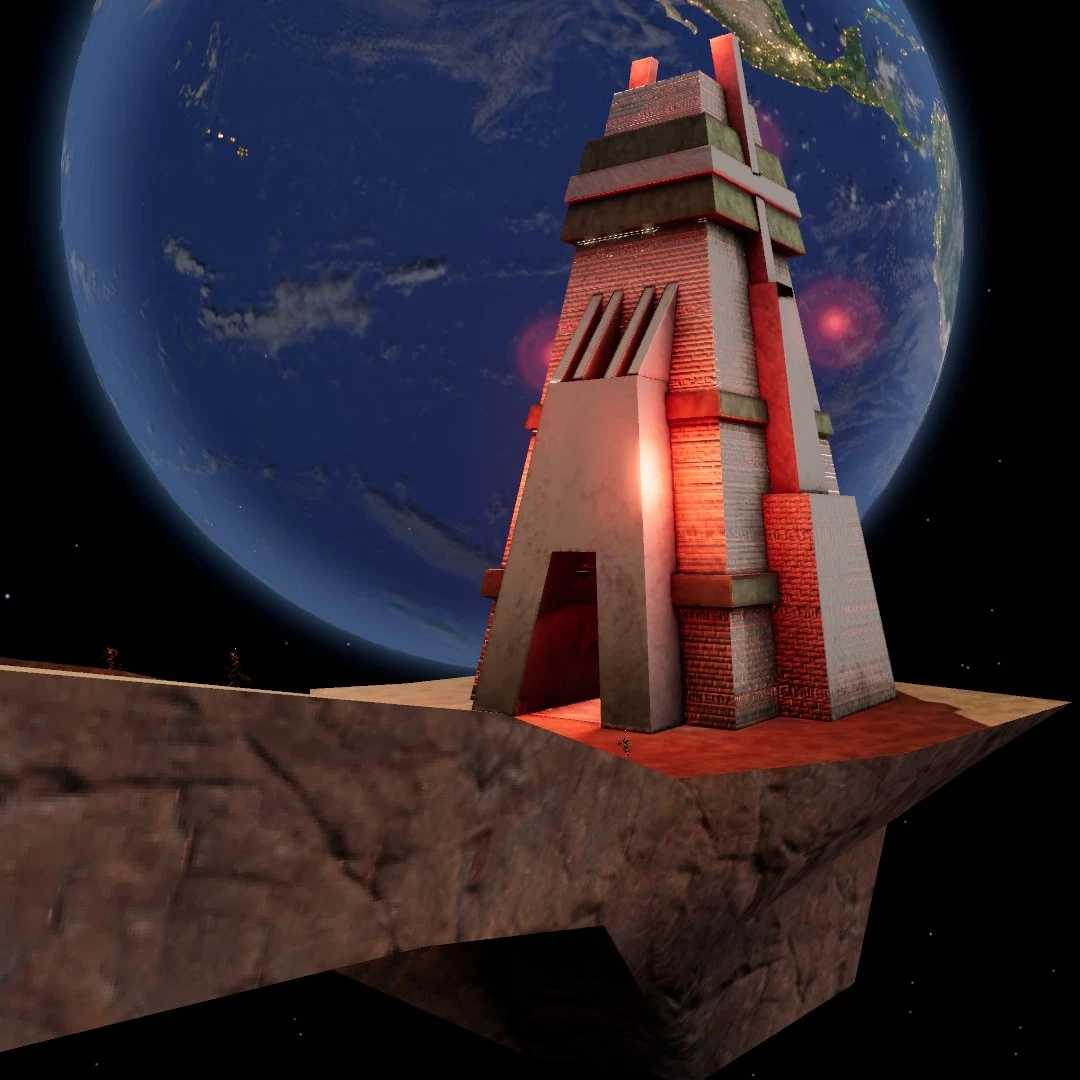
The red tower stands in front of Earth while players cross the asteroid bridge below.

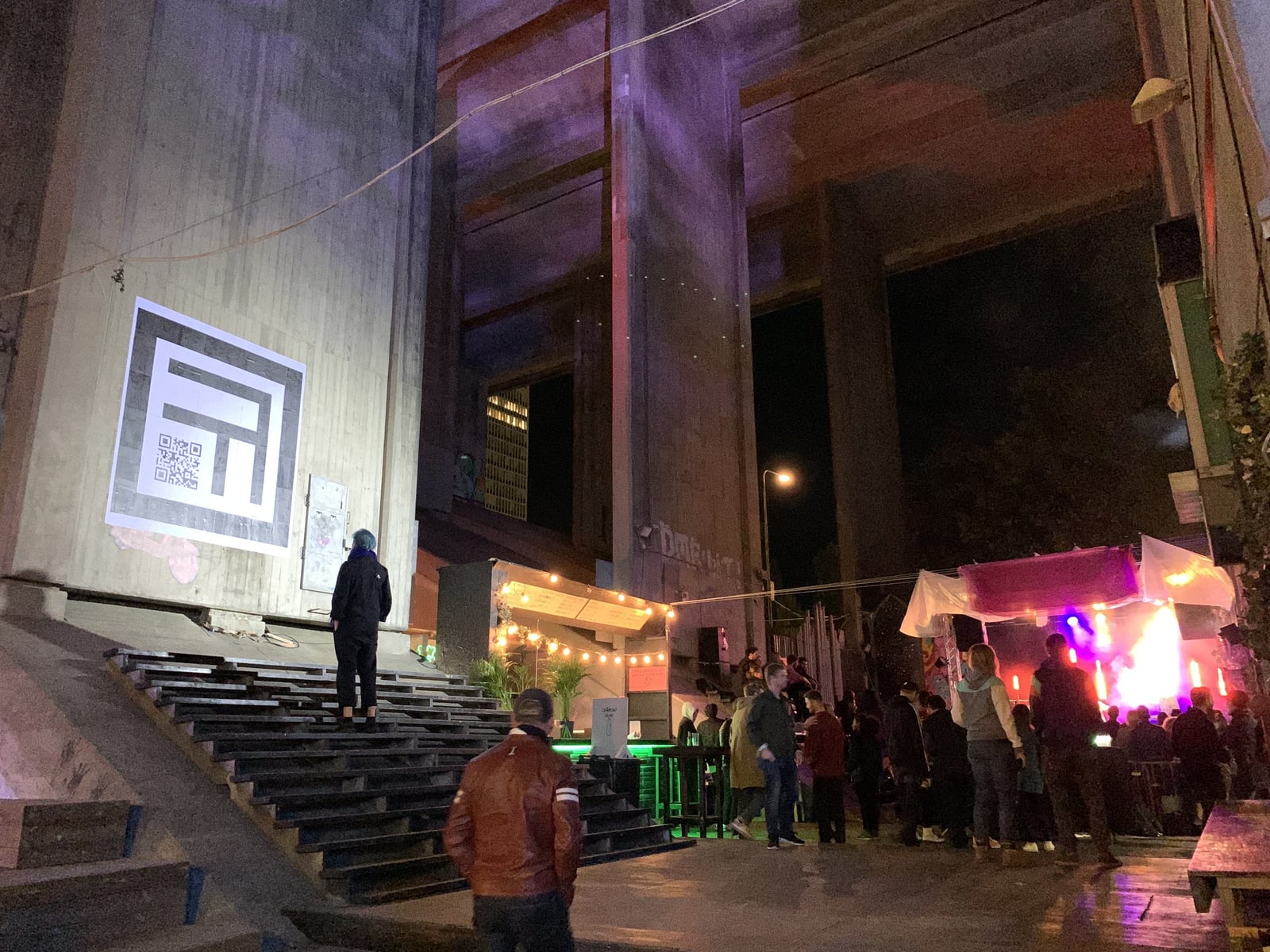
The project began as a sheet of AR stickers I brought to Unreal Fest in Stockholm in September 2025. I was working on light and installation for the Epic Games event, produced by Happy Times, and made this outside the brief. Pointing a phone at a sticker placed the whole arena on the table: a small portal back to a game I had loved since I was a teenager.

Everything begins with Unreal Tournament (1999) and the people who made it.

CTF-Face was designed by Cédric “Inoxx” Fiorentino. Unreal Tournament was made by Epic Games and Digital Extremes, and “Foregone Destruction” was written by Michiel van den Bos. I went back to my retail copy and extracted its actor table, bot paths, UnrealScript rules, character and weapon models, HUD textures, effects and sounds. This is a non-commercial fan recreation and a study of their work; those assets and ideas remain theirs.
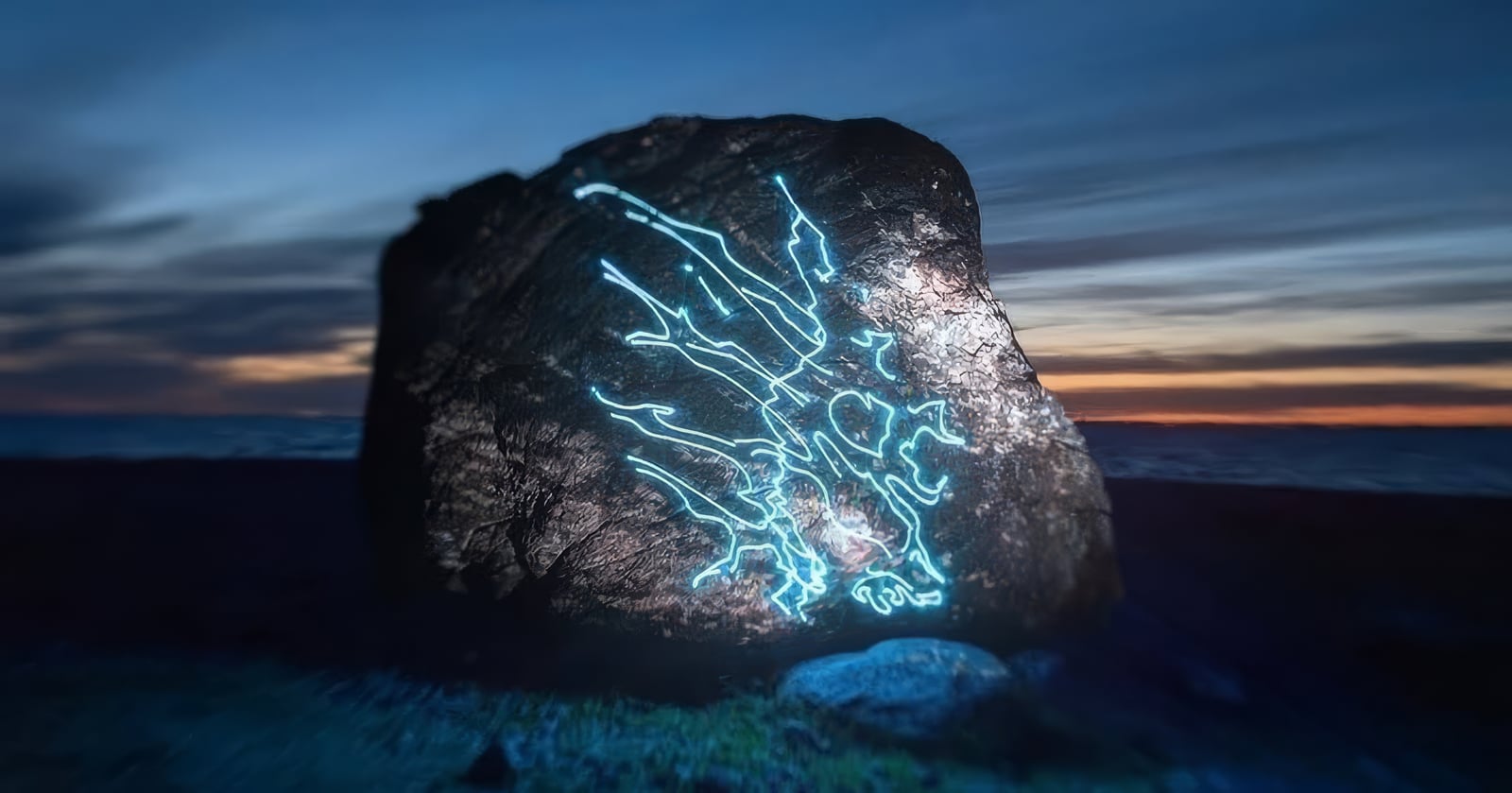
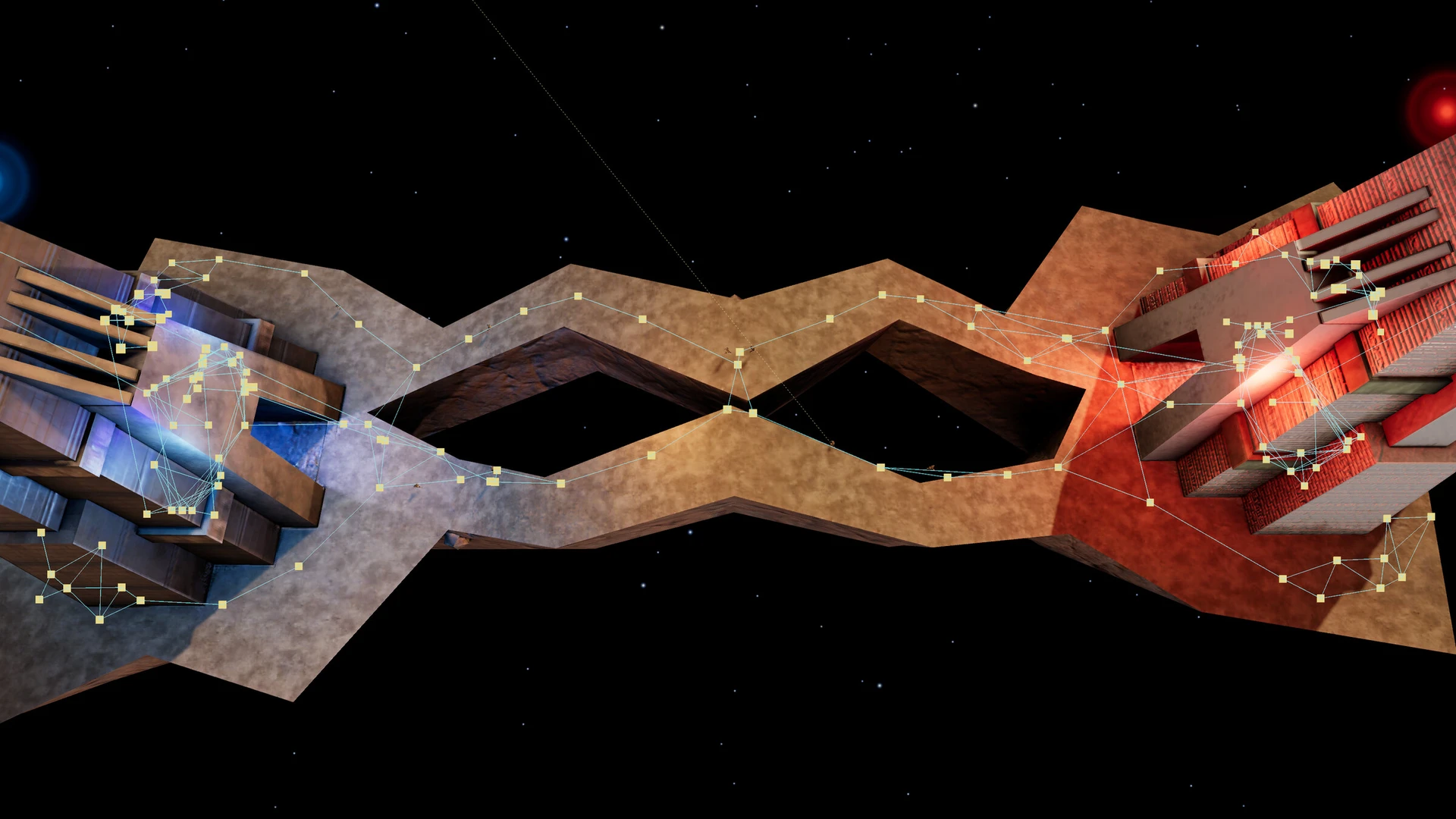
The original CTF-Face navigation network is drawn as hundreds of connected lines across the two towers and bridge.

The level is placed from the original map data rather than eyeballed from screenshots: two flag bases, twenty player starts, 56 pickups, 166 navigation points and 592 path connections. The model I started from had also compressed the arena to 43% of its real scale. Restoring the 71-metre towers and grounding the old path network against a new navigation surface brought back the long, exposed crossings that give Facing Worlds its rhythm.

More projects