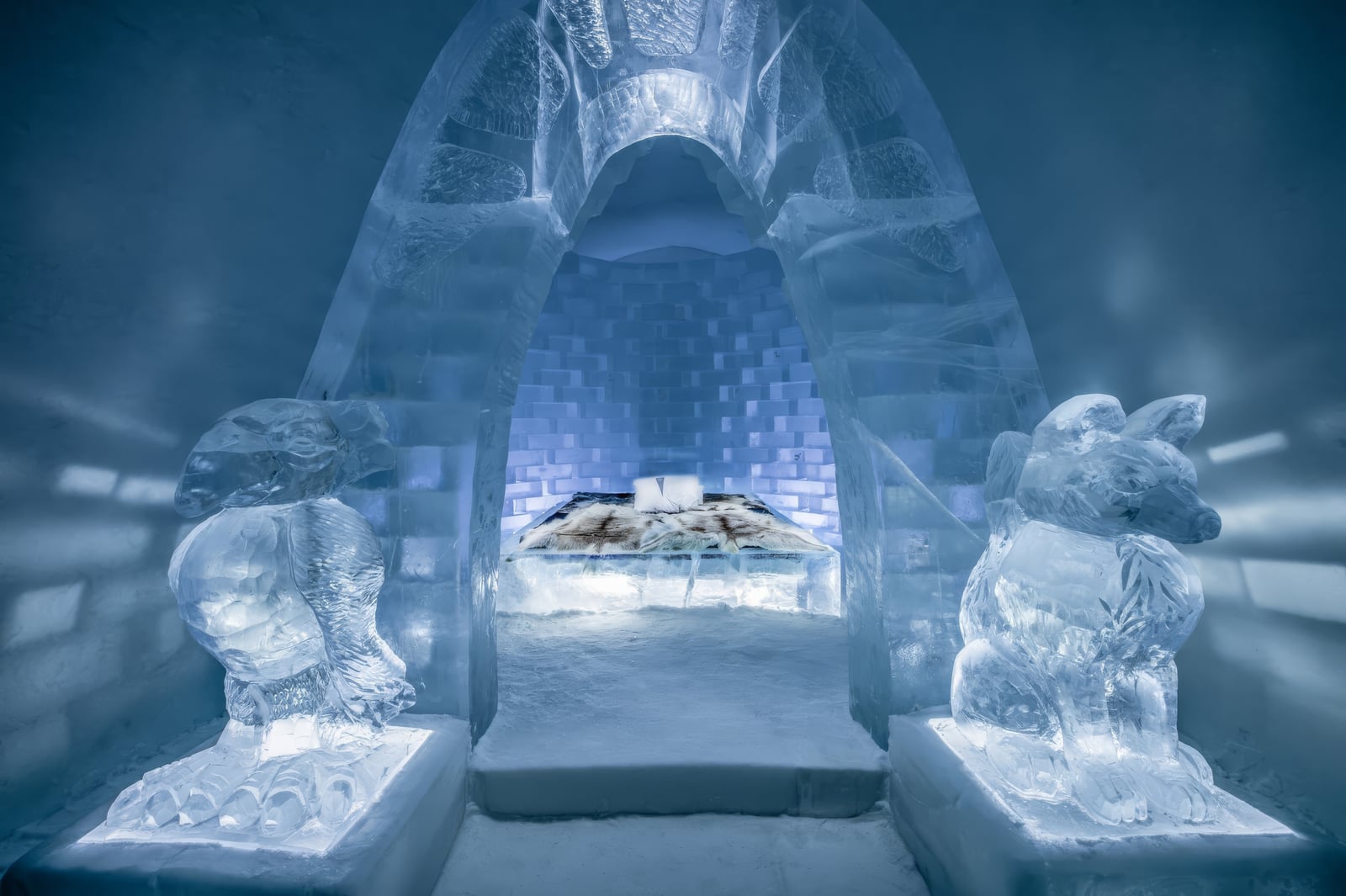
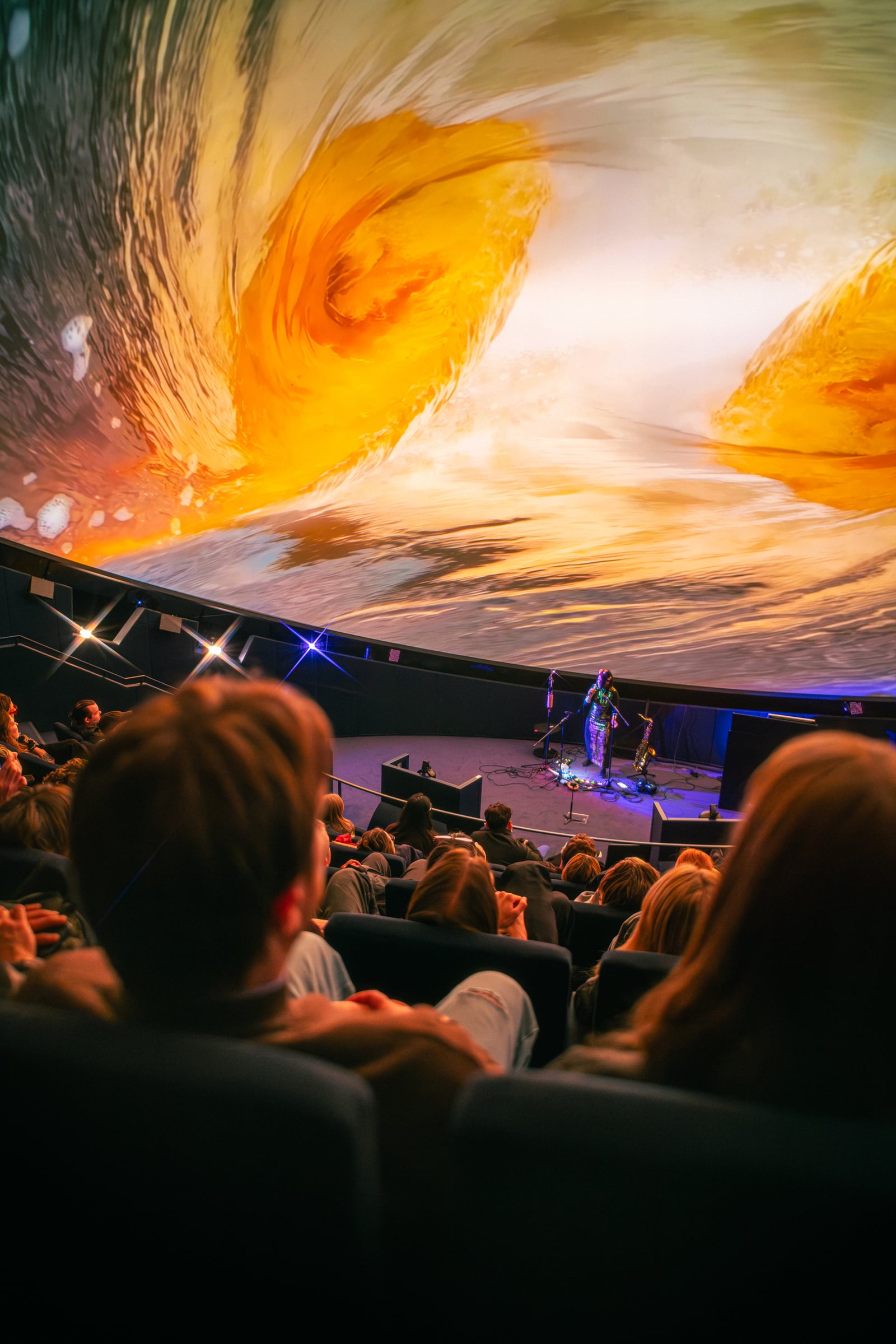
The lighting collective I co-founded in 2017, building modular light installations for forests, festivals and public spaces.
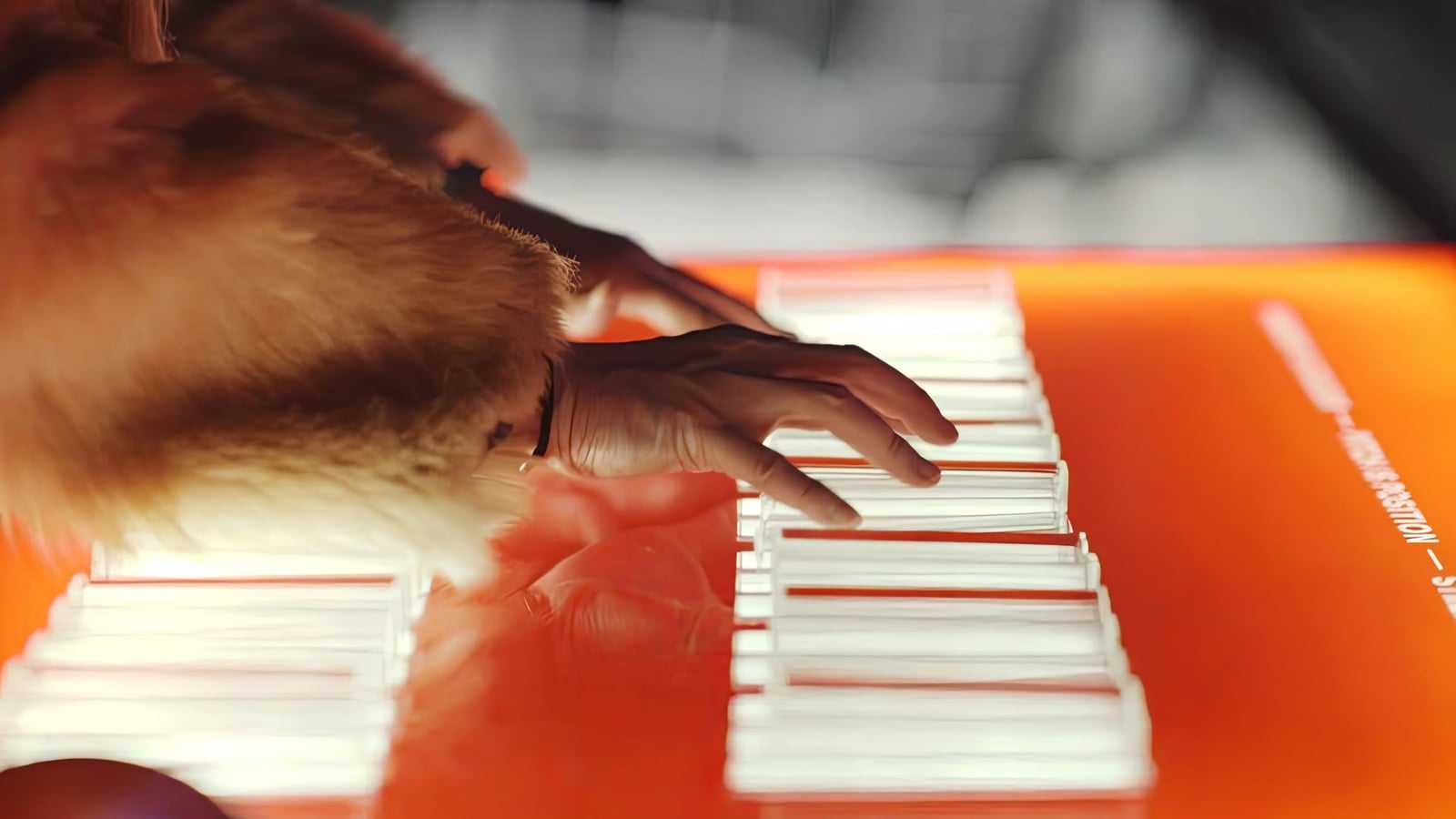
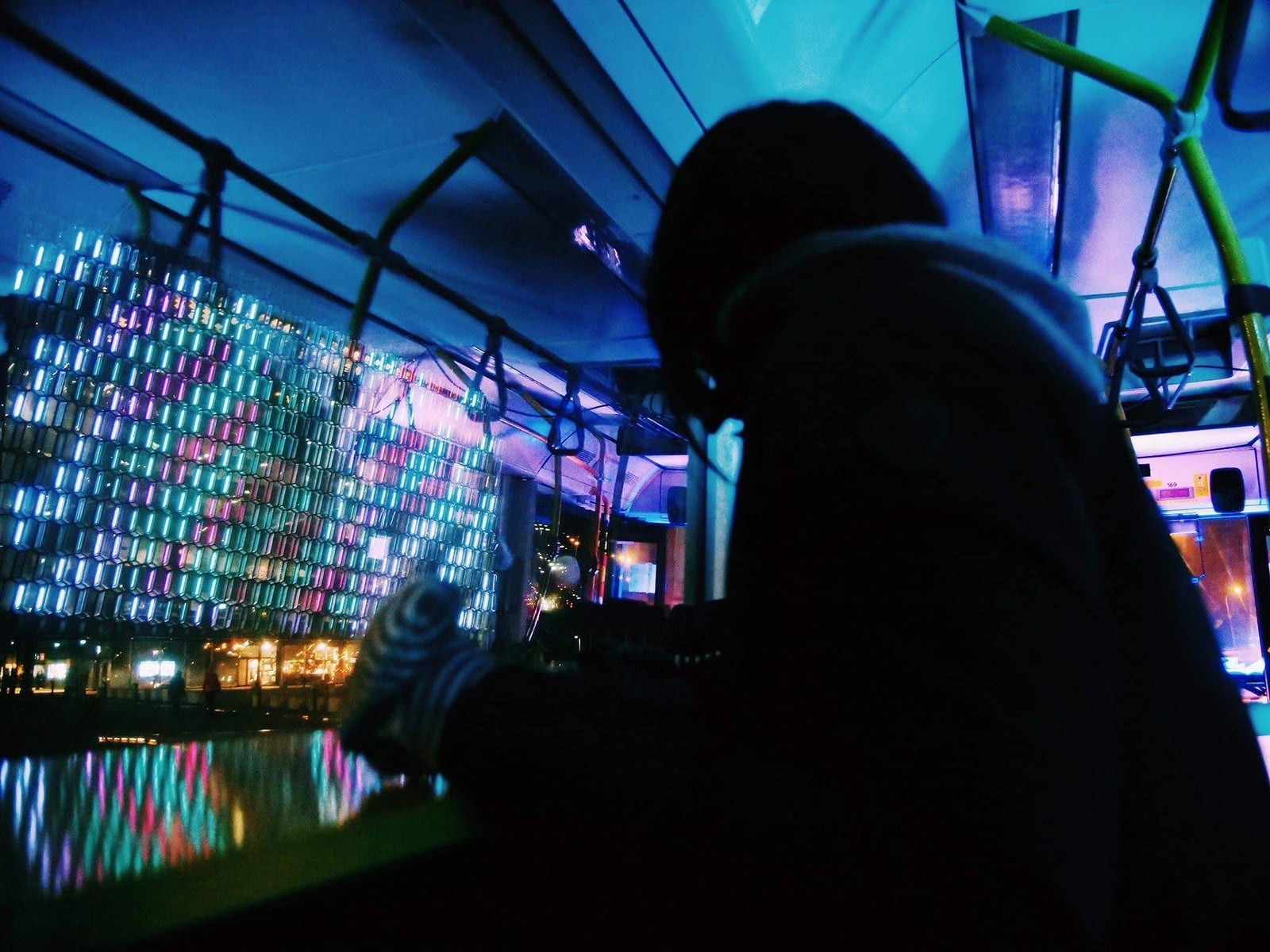
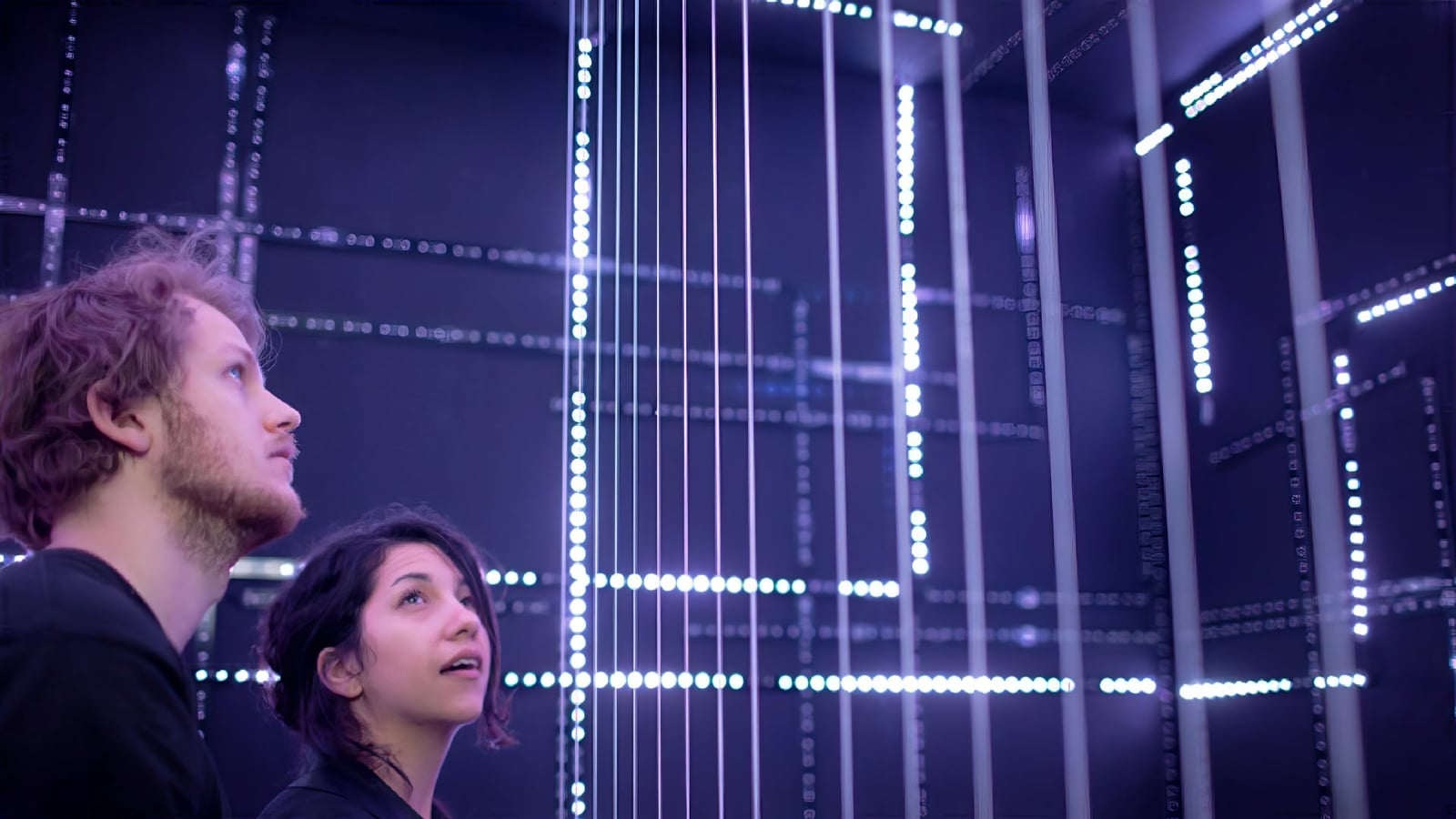
Svartljus started at Stugan, a co-created makerspace in Sickla, Stockholm, where Olle Bjerkås, Markus Persson and I began experimenting with light. Our first piece was a light tunnel for Spotify: two rows of LED columns controlled in real time, serving as both entrance and exit at their Stockholm HQ. In 2018 Per-Olov Jernberg joined, bringing hardware and software skills that let us build more reactive systems, and that year we exhibited at Sónar Reykjavík and ran a workshop on our techniques.
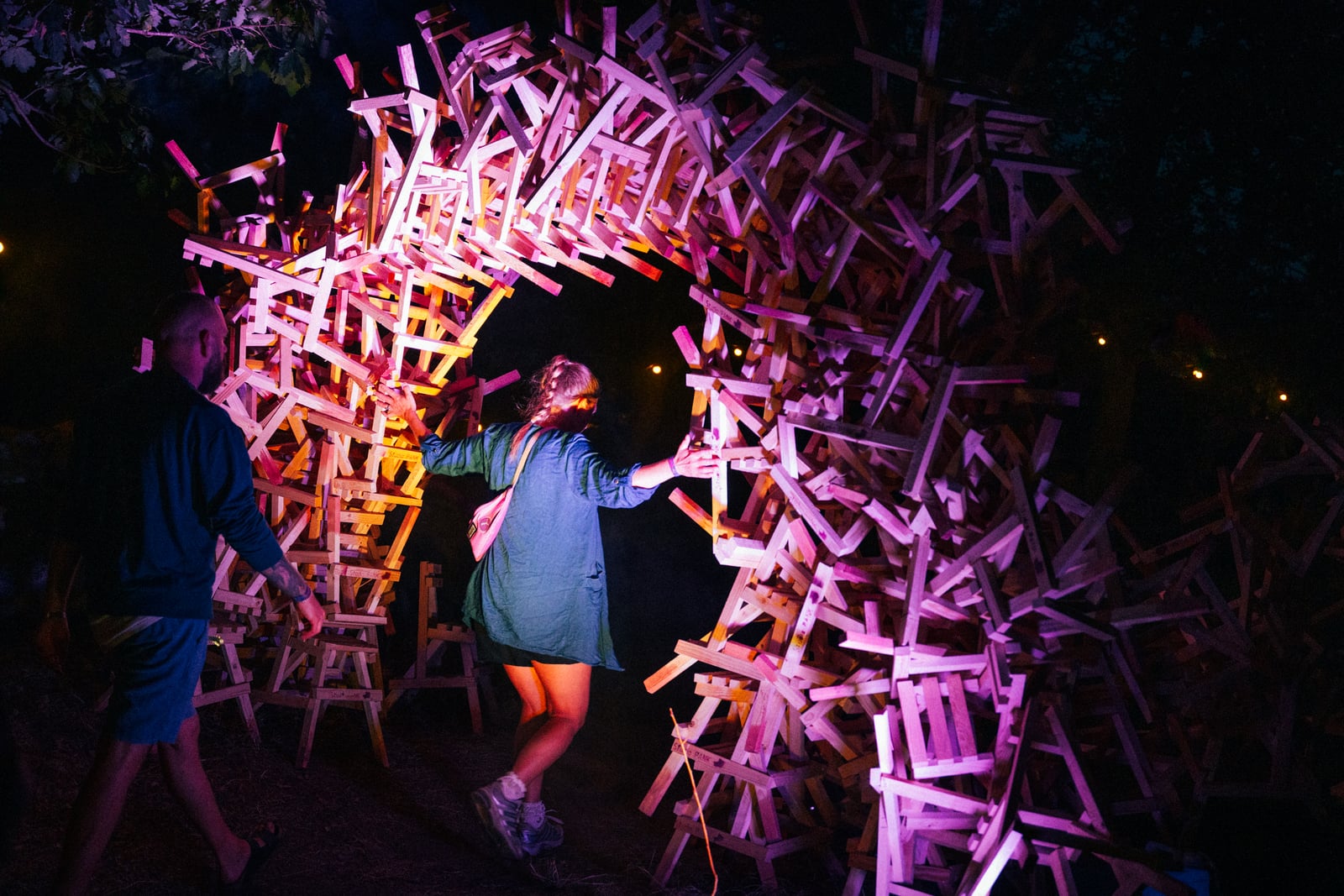
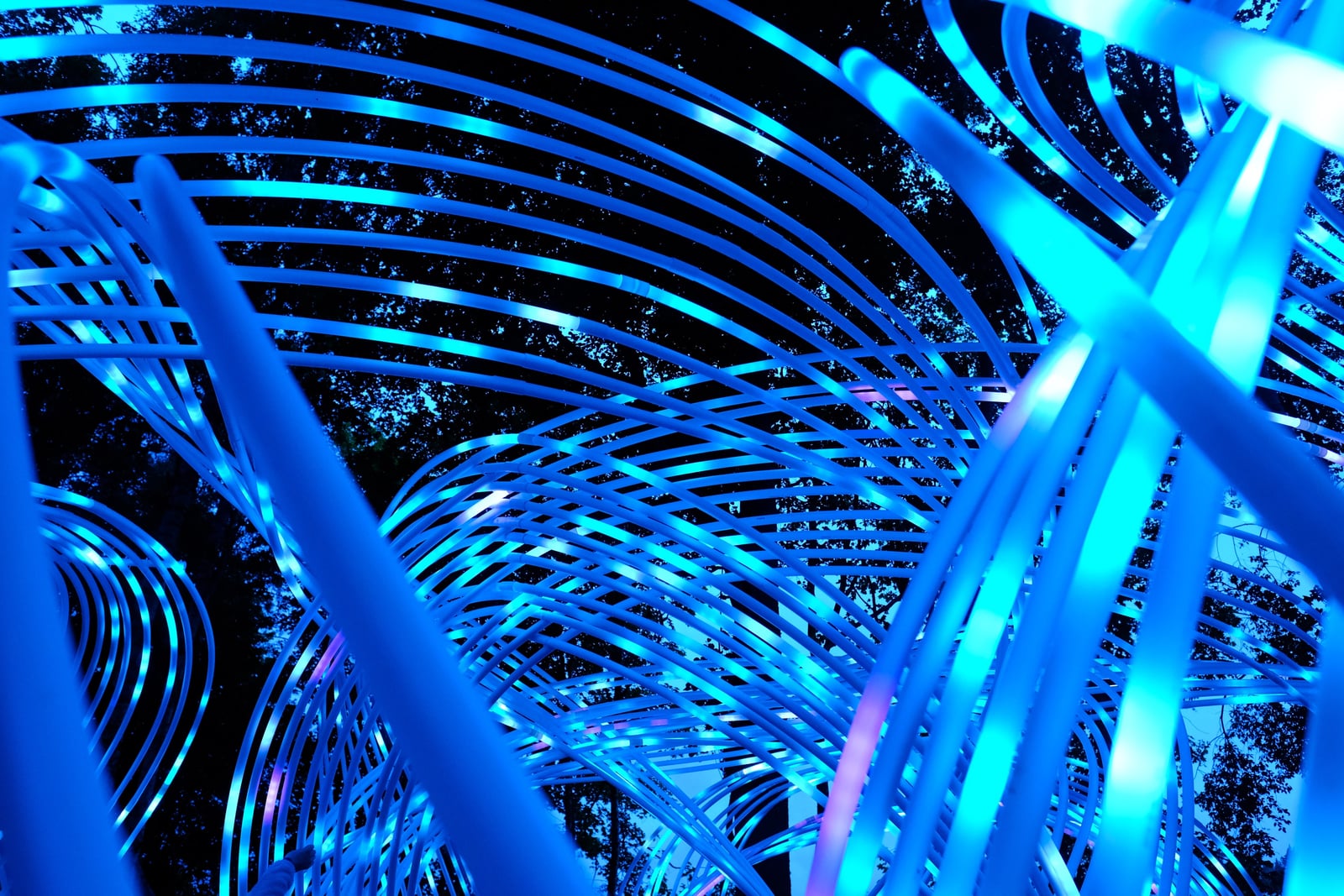
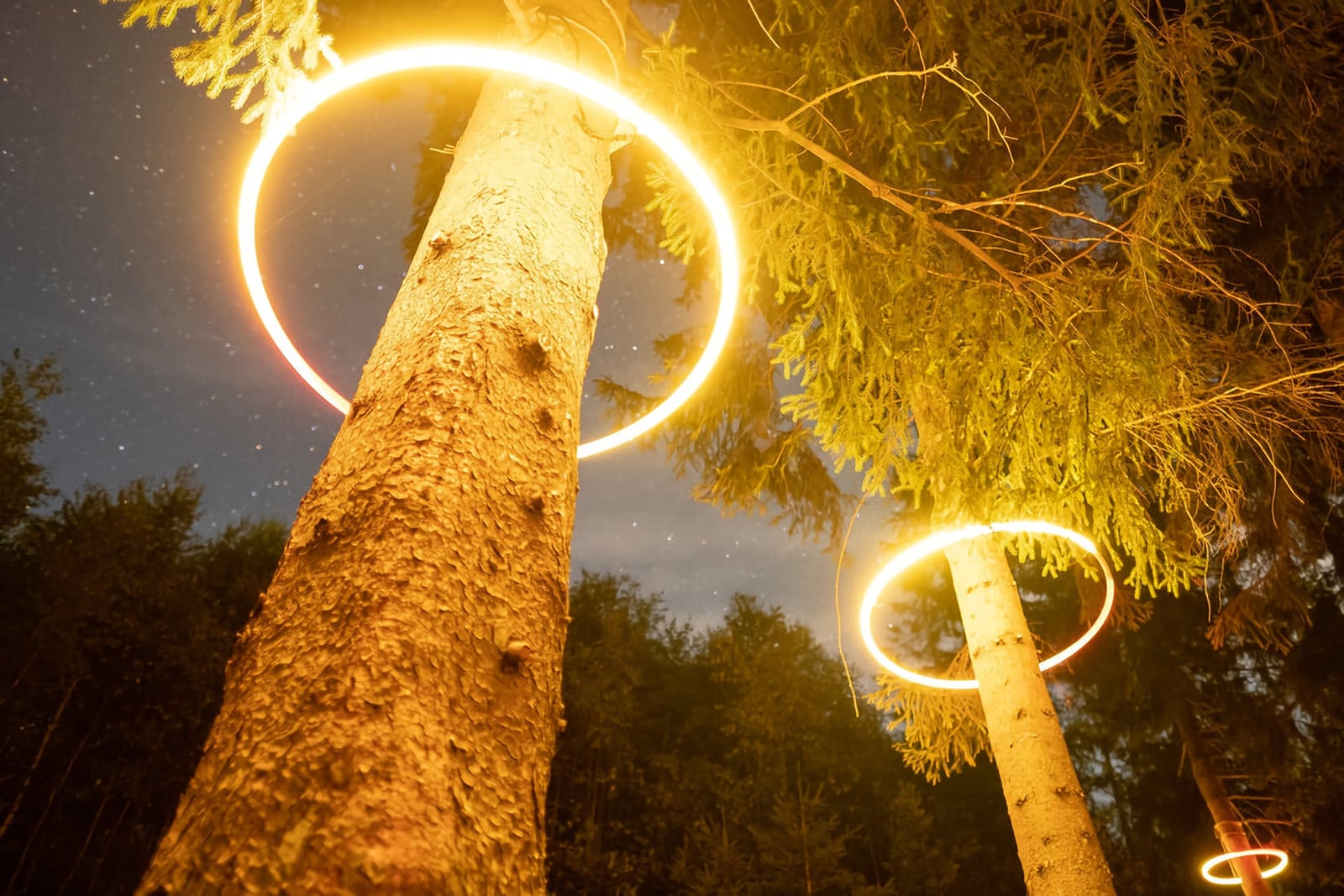
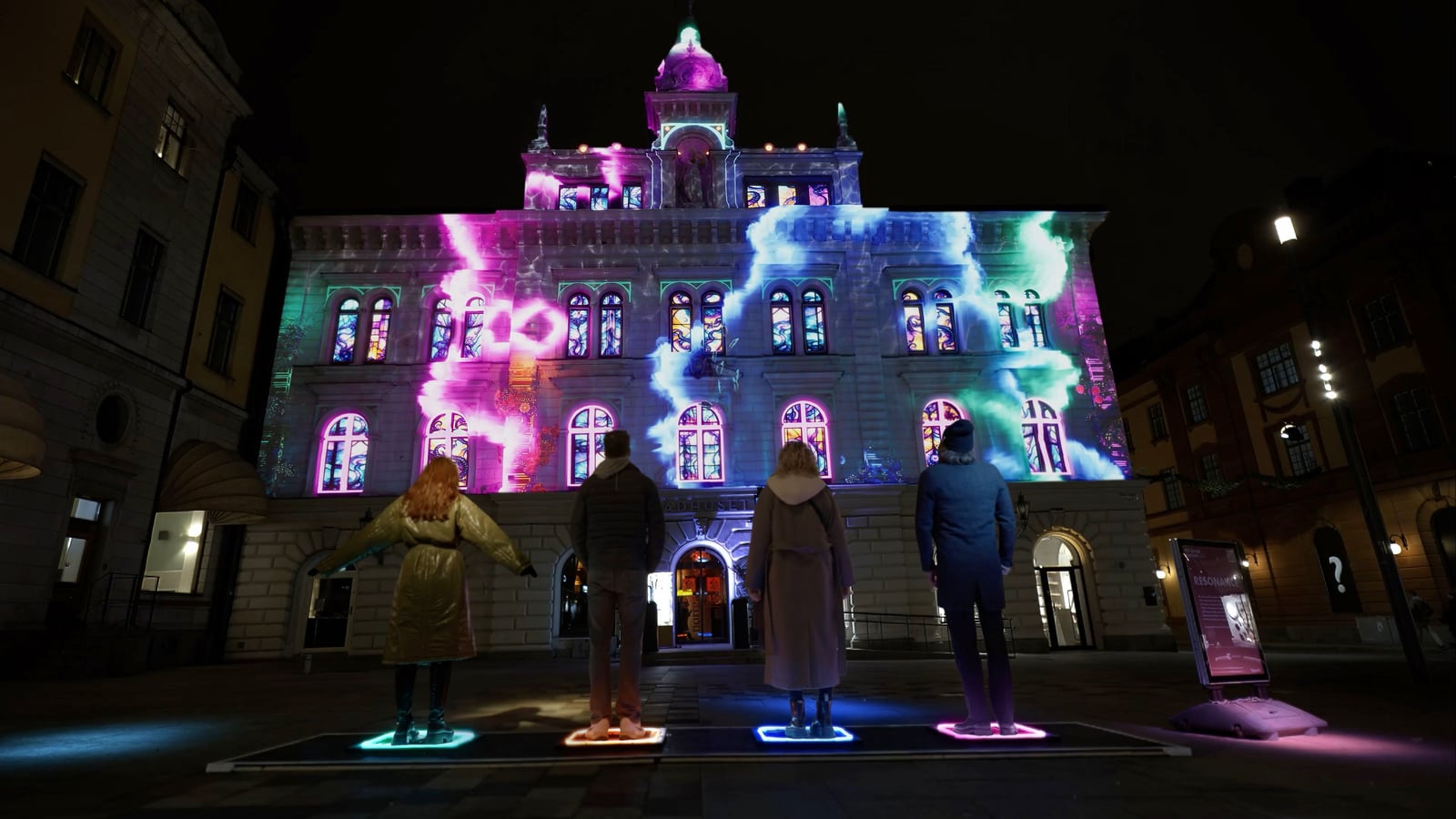
Through hackathons at Reaktorhallen and projects across the Nordics, we developed Dendrolux, a modular light sculpture built for trees, powered by solar and controlled in real time. Inspired by the Wood Wide Web, the underground networks through which trees communicate, Dendrolux wraps trees in bespoke light rings with 300 RGB dual-side pixels and custom silicone diffusion, transforming them into lampposts for the forest. The installation is interactive, responding to people nearby.
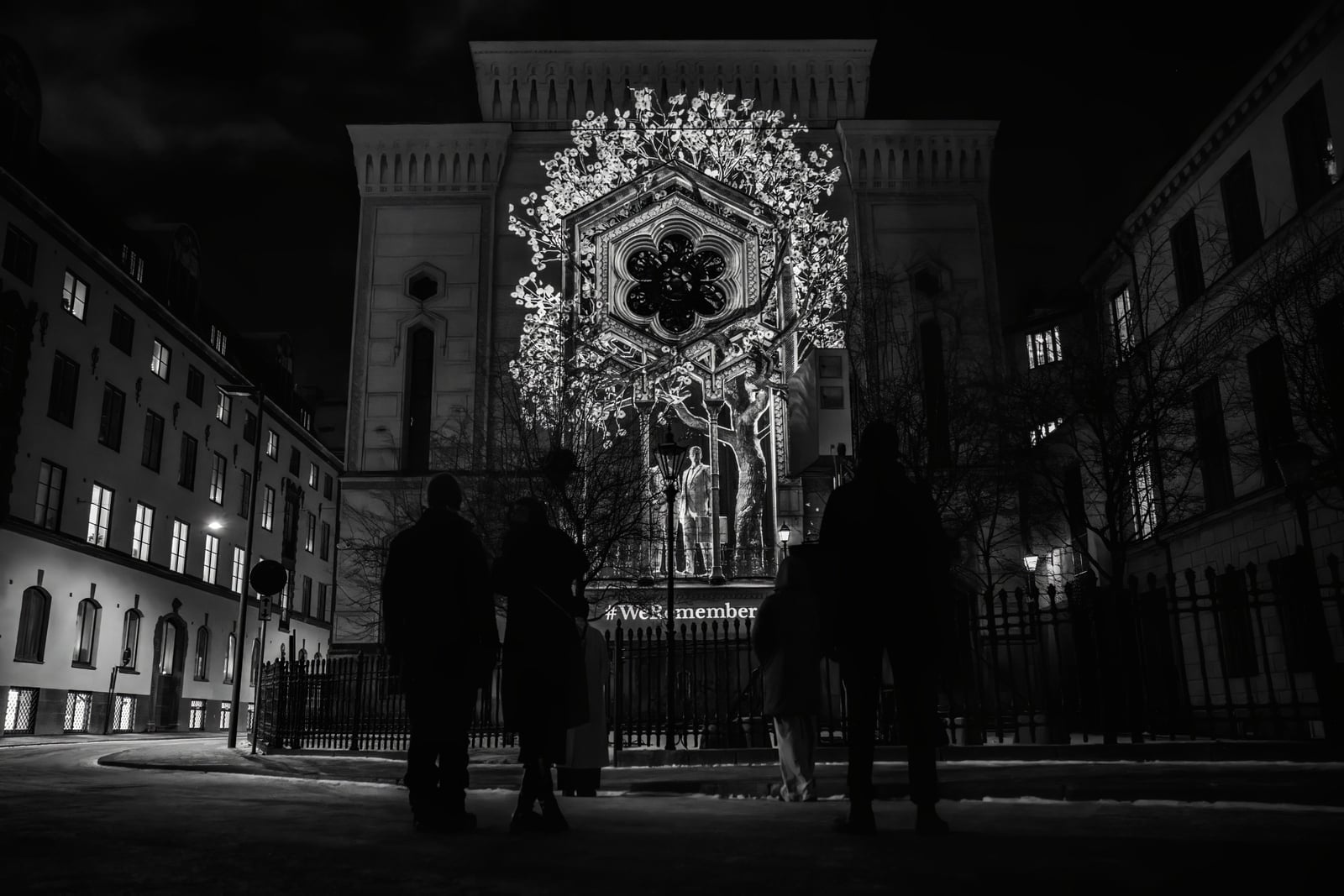
Since its debut at Into the Woods in Unnaryd in 2020, Dendrolux has been shown at Copenhagen Light Festival (2021, 2022), PLX Tjärö (2022), Norra Bantorget in Stockholm (2024), and Tjolöholms Slott in Halland (2024), where the light rings wrapped trees in the castle park, turning the grounds into an interactive light walk.
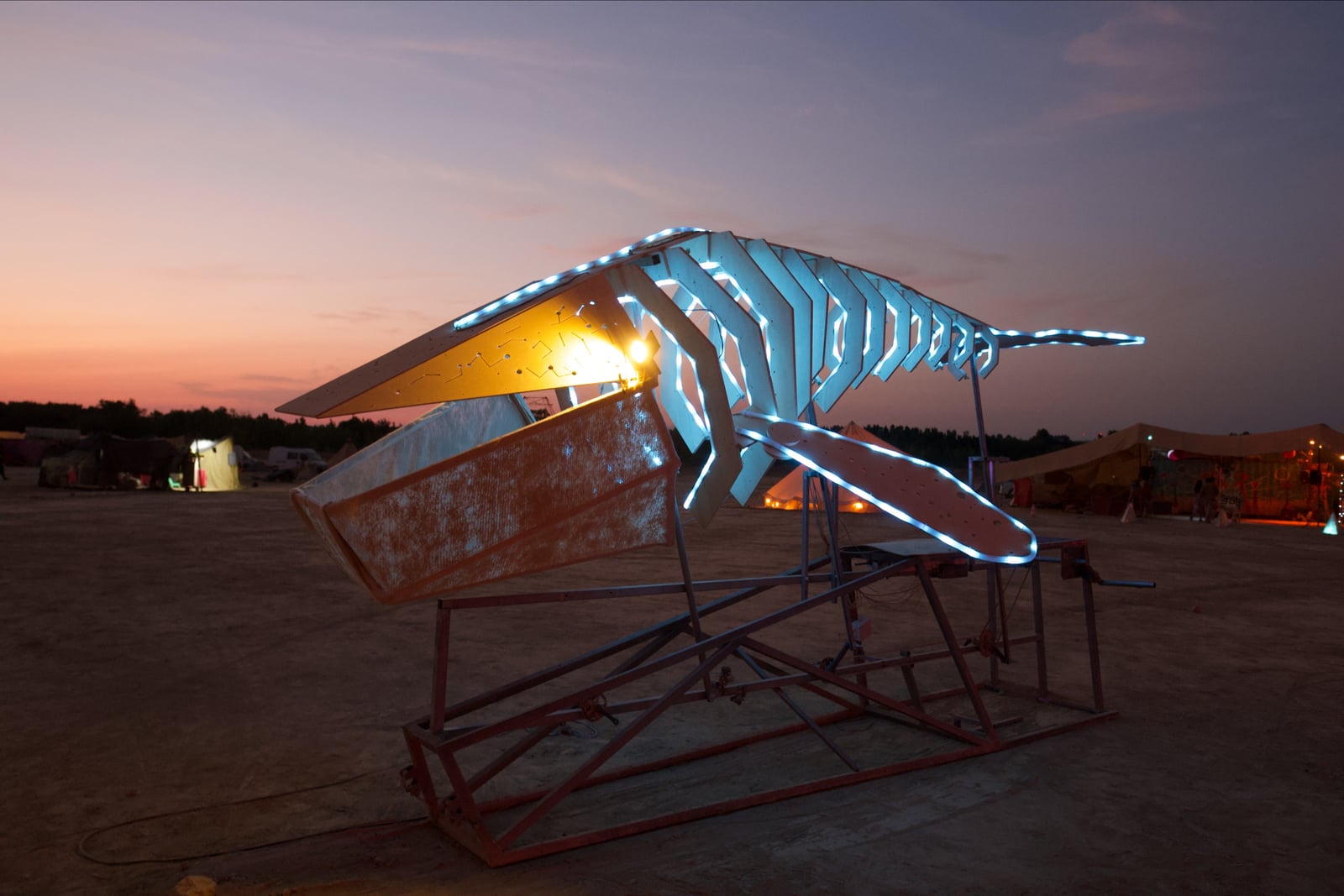
We also built Semiosphere, a geodesic sphere of light panels shown at Urban Burn in 2018, and Autolux, a flexible LED tube sculpture where visitors each became a single LED pixel, racing each other along the strip like a track.
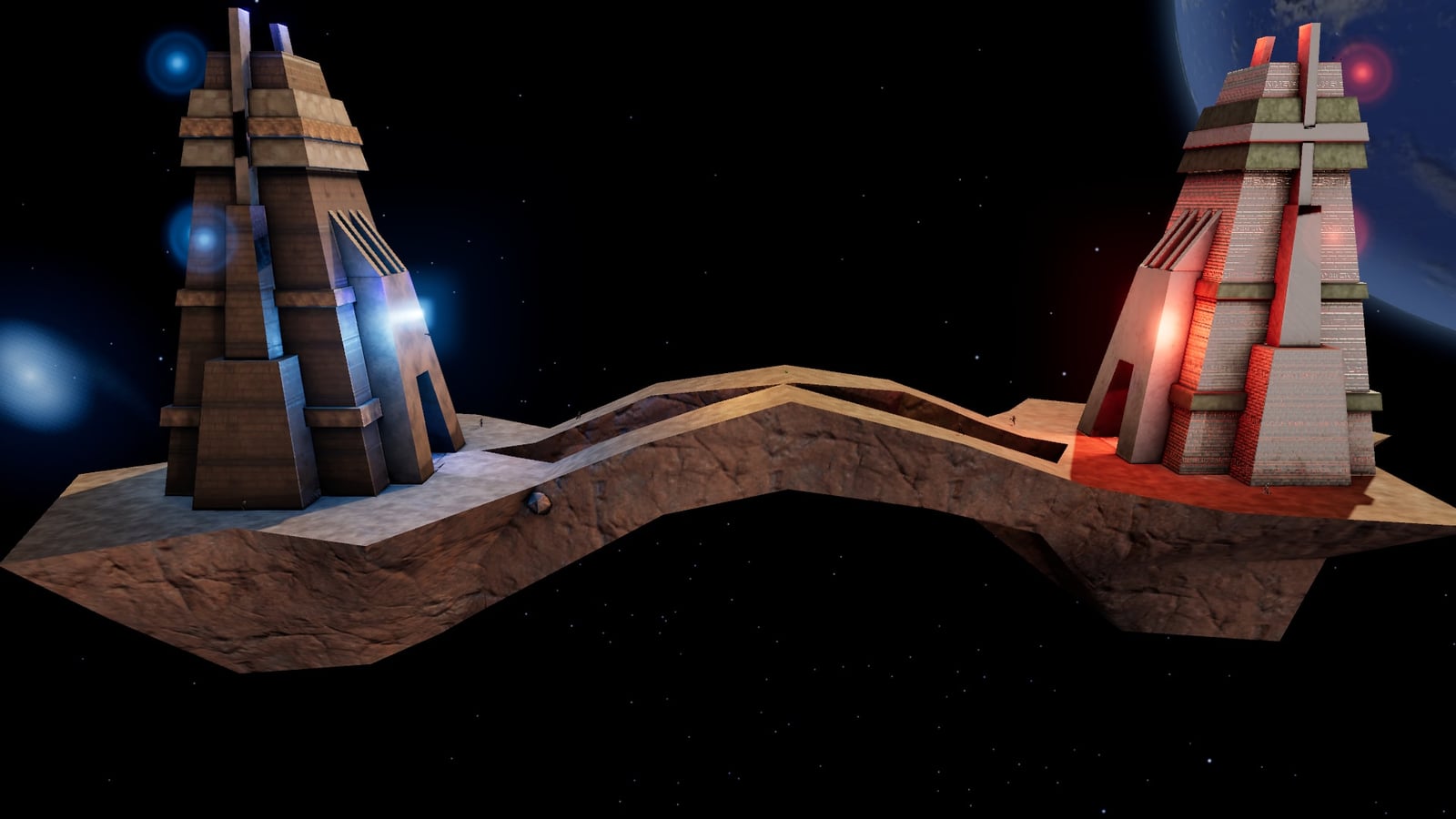
In September 2025 we lit Unreal Fest Stockholm, Epic Games' developer event, produced by Happy Times, at Fållan in Slakthusområdet. We brought three pieces. Minigun stood alone in the yard, three-metre LED tubes splayed out of a single base like a barrel assembly, each tube its own set of channels, running a gradient from white down to fire. Countdown held the clock in a pixel font drawn on a 16x16 grid, lit inside a hard-angled frame on the brick, and it kept counting while the hall filled up behind it. The third was Facing Worlds, a sticker you point a phone at.
Today the core group is seven: Olle Bjerkås, Per-Olov Jernberg, Servando Barreiro, Rose Hallgren, Elias Aabjerg, Lior Nønne Malue Hansen and me, with skills from metal fabrication and architecture to sound design and creative coding. We have also run an internship programme with students from Beckmans and Hyper Island.